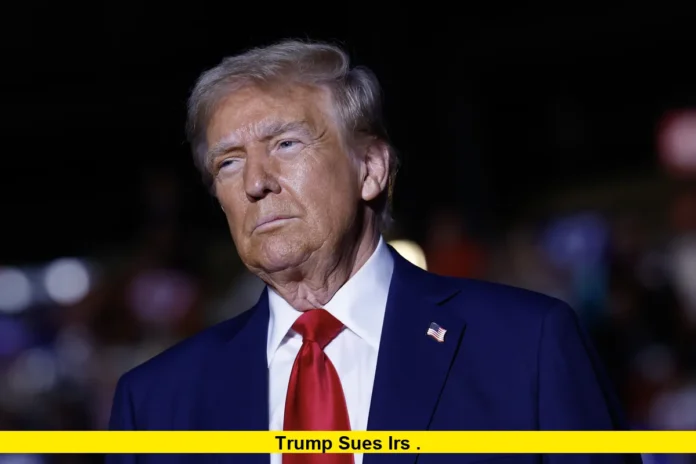

President Donald Trump trump sues irs and the U.S. Treasury Department in a sweeping federal lawsuit seeking $10 billion in damages, alleging the unlawful disclosure of his confidential tax return information. Filed in federal court in Florida, the case marks one of the most significant legal actions ever brought by a sitting U.S. president against federal tax authorities.
The lawsuit claims that government agencies failed to protect Trump’s private tax data, resulting in unauthorized access and public exposure that caused serious personal, financial, and reputational harm. The case adds a powerful new dimension to ongoing debates over taxpayer privacy, government accountability, and institutional responsibility.
This legal battle is drawing national attention due to the size of the damages sought, the status of the plaintiff, and the broader consequences for how sensitive taxpayer information is handled across federal agencies.
Follow the developments closely, as this case could influence future standards for federal data protection and oversight.
What the Lawsuit Alleges
The lawsuit was filed by President Donald Trump along with members of his immediate family. It names the Internal Revenue Service and the U.S. Treasury Department as defendants, accusing them of violating federal laws that strictly protect tax return confidentiality.
According to the complaint, Trump’s tax returns were accessed and disclosed without lawful authorization. The filing states that detailed financial information covering multiple years was improperly exposed, breaching long-standing statutory protections meant to shield taxpayer data from public release.
Trump’s legal team argues that federal agencies failed in their duty to secure this information and are therefore responsible for the resulting harm.
Why This Lawsuit Is Unprecedented
Legal actions against federal tax authorities over disclosure issues are extremely rare, especially when they involve claims of this magnitude. The lawsuit seeks $10 billion in damages, placing it among the largest privacy-related claims ever brought against U.S. government agencies.
Federal tax law imposes some of the strongest confidentiality requirements in the American legal system. The case directly challenges whether those safeguards were adequately enforced and whether agencies can be held financially accountable when they fail.
How the Tax Information Was Exposed
The lawsuit stems from a breach involving an IRS contractor who had authorized access to taxpayer information through work assignments connected to the agency. That contractor unlawfully accessed and shared tax return data belonging to a large number of taxpayers, including Trump.
The breach raised serious concerns about contractor oversight, internal controls, and access permissions within federal tax systems. Following the incident, government contracts associated with the breach were terminated, and internal reviews were initiated.
Trump’s lawsuit argues that these actions occurred only after irreversible harm had already been done.
Key Legal Arguments
At the core of the case is the allegation that the IRS and Treasury violated federal statutes governing the confidentiality of tax return information. The lawsuit claims that the agencies failed to properly supervise individuals with access to sensitive data and did not implement sufficient safeguards to prevent misuse.
The filing also asserts that government agencies are responsible for contractor conduct when that conduct occurs within the scope of authorized access. Trump’s attorneys argue that liability does not disappear simply because the disclosure was carried out by a contractor rather than a federal employee.
Expected Government Response
Federal agencies are expected to challenge the lawsuit through early procedural motions. These motions are likely to argue that legal limitations restrict the types of claims that can be brought against the federal government and the damages that may be awarded.
Courts will first decide whether the case can proceed before addressing the substance of the claims. These early rulings could determine whether the lawsuit advances into discovery or is narrowed in scope.
Political and Public Impact
The lawsuit has intensified public discussion about privacy rights, transparency, and the responsibilities of federal institutions. Supporters of the president argue the case highlights a serious failure within the government to protect sensitive information.
Critics question whether litigation is the appropriate method for resolving such breaches but acknowledge the seriousness of the allegations. The case has also renewed scrutiny of how federal agencies manage data security in an era of widespread digital access.
Implications for Taxpayers Nationwide
Beyond its political significance, the lawsuit raises concerns for all taxpayers. The breach involved a vast amount of confidential information, prompting questions about how securely taxpayer data is stored and monitored.
If the case results in policy changes or tighter oversight, it could reshape how tax authorities manage access to sensitive records. Many see the lawsuit as a potential turning point for data protection standards within federal agencies.
What Happens Next
The case now enters the initial phase of federal court proceedings. Judges will review motions and determine whether the lawsuit can move forward. These early decisions will shape the timeline and legal direction of the case.
As filings continue and hearings take place, the case is expected to remain in the national spotlight due to its legal, political, and institutional implications.
A Lawsuit With Long-Term Consequences
Regardless of the outcome, this lawsuit has already placed federal tax agencies under intense scrutiny. It underscores the importance of safeguarding taxpayer information and ensuring accountability when systems fail.
The case also reinforces broader concerns about trust in government institutions and the consequences of lapses in data protection at the highest levels.
What do you think this lawsuit means for taxpayer privacy and government accountability? Share your thoughts and stay tuned as the case moves forward.