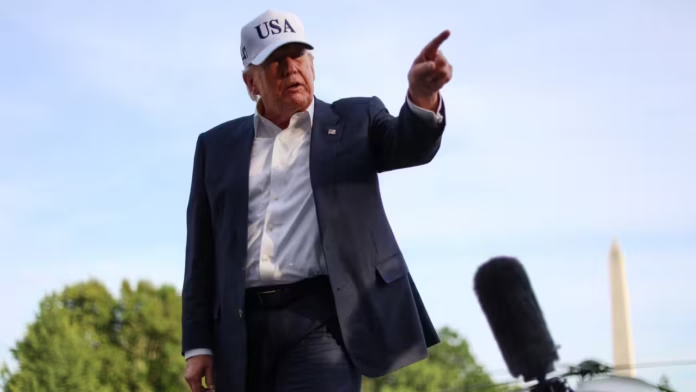

Public opinion toward President Donald Trump has taken a notable turn following the release of a new national survey showing his support among voters has fallen to its lowest point since the start of his second term in office.
The latest trump approval rating numbers arrive during a period marked by ongoing economic uncertainty, persistent inflation concerns, and intense debate over domestic and international policy decisions. While the president continues to maintain strong backing among many Republican voters, the broader electorate appears increasingly divided over the direction of the country.
The survey offers one of the clearest snapshots yet of how Americans are evaluating Trump’s performance as he navigates the challenges of a second administration.
A Challenging Political Moment
Presidential approval ratings often fluctuate throughout a term, but reaching a new low can become a significant political story. Public perception is influenced by a wide range of factors, including economic conditions, national security concerns, legislative accomplishments, and the daily realities facing households across the country.
For Trump, the latest polling reflects a complicated environment. Supporters point to efforts aimed at strengthening border security, reshaping trade relationships, and pursuing policies they believe prioritize American interests. Critics, meanwhile, argue that ongoing economic pressures and political divisions continue to weigh heavily on public sentiment.
The survey suggests that many voters remain unconvinced that current policies are improving their everyday lives.
Economic Pressures Remain Front and Center
One issue continues to dominate conversations across the political spectrum: the economy.
Although broader economic indicators have shown mixed results, many Americans remain focused on the prices they encounter every day. Rising costs for groceries, housing, insurance, healthcare, and utilities have created financial stress for households in many parts of the country.
Political analysts frequently note that voters often judge economic performance based on personal experience rather than statistical reports. If families feel that their budgets are under pressure, those concerns can quickly influence opinions about national leadership.
This dynamic appears to be playing a major role in the president’s declining approval numbers.
Inflation Continues to Shape Public Mood
Inflation remains one of the most closely watched issues among voters.
While price increases have slowed compared with previous peaks, many consumers continue to feel the effects of higher costs accumulated over several years. Everyday purchases still require a larger share of household budgets than many Americans would prefer.
For working families, retirees, and younger adults entering the housing market, affordability remains a major concern.
Political strategists from both parties recognize that perceptions of economic security often have a powerful impact on approval ratings. As a result, inflation remains a central topic in debates about the administration’s performance.
Independent Voters Hold Significant Influence
A key takeaway from recent polling trends is the role of independent voters.
Unlike strong partisan voters who tend to remain loyal to a particular party, independents often evaluate candidates and officeholders based on current events and policy outcomes. Their views can shift more rapidly, making them one of the most closely monitored groups in national politics.
Many independents continue to express concerns about affordability, government effectiveness, and the country’s overall direction. Because this group frequently plays a decisive role in competitive elections, changes in their opinions can have major political consequences.
Campaign strategists are expected to pay close attention to these voters in the months ahead.
Republican Support Remains a Strength
Despite the decline in overall numbers, Trump continues to enjoy substantial support among Republican voters.
That loyalty has been a defining characteristic of his political career. Even during periods of controversy or political turbulence, many supporters have remained firmly committed to his leadership and policy agenda.
Strong backing from the party base provides an important foundation for the administration. It also helps explain why approval ratings among the broader public can move differently from support levels within Republican circles.
This divide highlights the deeply polarized nature of modern American politics.
Foreign Policy Decisions Under Scrutiny
Beyond economic concerns, international developments have also become an important factor in public opinion.
Americans are closely following events overseas and evaluating how the administration responds to emerging challenges. National security, military strategy, diplomatic relations, and global stability all influence perceptions of presidential leadership.
Historically, foreign policy successes can boost public confidence, while international tensions can create new political challenges. Voter reactions often depend on whether they believe government actions are protecting national interests and promoting stability.
Recent developments have ensured that foreign affairs remain part of the broader discussion surrounding the president’s standing with voters.
The Importance of Approval Ratings
Approval ratings serve as more than just political statistics.
They provide insight into how Americans feel about their government and the effectiveness of national leadership. While a single survey does not determine future election outcomes, trends over time can reveal broader shifts in public sentiment.
Political leaders, campaign organizations, donors, and policy advisers all monitor these numbers closely. Changes in approval ratings can influence legislative priorities, messaging strategies, and long-term political planning.
For any administration, sustained declines often trigger renewed efforts to address voter concerns and improve public confidence.
What Comes Next
The coming months could prove critical in determining whether this decline represents a temporary setback or a more significant trend.
Economic developments will likely remain the most important factor. Improvements in affordability, consumer confidence, and household finances could help strengthen public perceptions. At the same time, continued economic strain could place additional pressure on the administration.
Major legislative actions, foreign policy developments, and unexpected national events may also influence future polling.
As political observers continue tracking voter attitudes, the latest trump approval rating figures offer an important indicator of the challenges facing the White House during the second term.
Whether those numbers rebound or continue to fall will depend largely on how Americans evaluate the administration’s handling of the issues that affect their daily lives most directly.
What are your thoughts on the latest polling results? Share your opinion in the comments and stay tuned for continuing coverage of the stories shaping America’s political future.