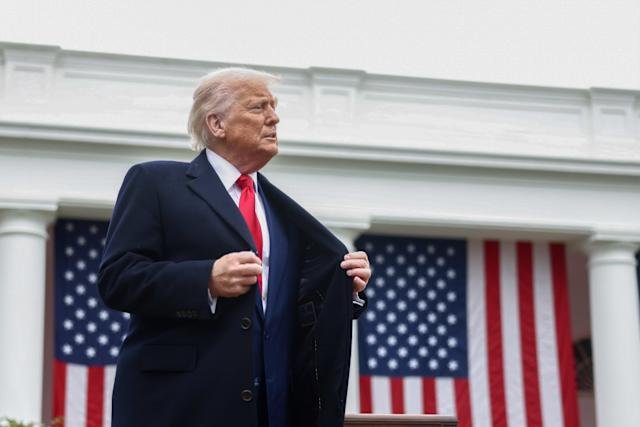

The issue of Trump and cost of living is set to take center stage as President Donald Trump outlines his economic agenda during the 2026 State of the Union address, focusing heavily on energy prices, artificial intelligence infrastructure, and the financial pressure facing American households.
The White House has indicated that Trump will use the speech to argue that his administration and Republican lawmakers are best positioned to address affordability concerns. A major element of the plan involves agreements with technology companies to pay higher electricity costs tied to new AI data centers so those expenses do not shift onto consumers.
Americans continue to watch closely as economic policy decisions directly affect everyday expenses such as energy bills, housing, groceries, and healthcare.
If affordability matters to you, follow the latest updates on economic policy and how they affect household budgets across the country.
Why Cost of Living Remains a Central Political Issue
Cost-of-living pressure remains one of the top concerns among U.S. voters heading into 2026. While inflation has eased compared with earlier peaks, many prices remain elevated, especially for utilities, housing, and services.
Electricity costs have become a particularly visible issue. Rising demand from AI data centers and industrial growth has pushed utilities to increase infrastructure spending, which in some regions has translated into higher consumer bills.
Household electricity expenses rose in 2025, adding financial strain for middle-income families. Policymakers across multiple states have debated how to prevent large energy users from shifting costs onto residents.
This broader affordability debate is shaping federal and state policy discussions, making energy pricing a core political topic.
Trump’s State of the Union Focus on Electricity Costs
During the State of the Union address, Trump is expected to highlight what officials describe as “rate payer protection” commitments from major technology firms.
The plan centers on requiring companies that build energy-intensive AI data centers to cover the full cost of their electricity use and related grid upgrades. The goal is to prevent local power bills from rising due to infrastructure expansion driven by artificial intelligence.
Administration officials say the initiative is designed to address mounting electricity prices while still supporting rapid AI development in the United States.
The proposal reflects a broader strategy to balance economic growth with affordability — a key message Trump intends to emphasize in the speech.
AI Data Centers and Rising Energy Demand
Artificial intelligence infrastructure has expanded rapidly across the country. Data centers require massive amounts of electricity to power servers and cooling systems, placing new pressure on regional grids.
Utilities have already increased long-term spending plans to expand power generation and transmission capacity to meet this demand. In several states, data center growth has become a major driver of infrastructure investment.
Industry forecasts indicate electricity demand from data centers could grow significantly over the next several years, making cost allocation a central policy challenge.
As a result, federal officials and state leaders increasingly support requiring tech companies to contribute more directly to grid costs.
Tech Industry Commitments to Pay More
Some technology companies have already begun adopting policies aligned with this approach.
Major AI firms and data center developers have pledged to pay higher utility rates, fund grid upgrades, or invest in additional energy supply to avoid passing costs to consumers.
Recent corporate initiatives include commitments to cover power usage fully, invest in efficiency, and publish transparency data about resource consumption.
These steps reflect growing political and public pressure to ensure the benefits of AI expansion do not come with higher household bills.
Trump has repeatedly argued that large technology firms should “pay their own way” when building energy-intensive infrastructure.
State Governments Echo Similar Cost-Protection Policies
The federal approach aligns with actions taken at the state level.
Several governors have proposed measures requiring data centers to pay higher electricity rates or limiting tax incentives until affordability concerns are addressed. Policymakers say the goal is to protect residents and small businesses from indirect cost increases.
In some states, proposals include suspending tax breaks for new data centers, requiring dedicated power supply investments, or establishing pricing structures that shield general ratepayers.
These developments show a bipartisan trend: linking technology expansion with consumer protection.
Broader Economic Messaging in Trump’s Agenda
Beyond electricity costs, the administration’s economic messaging for the State of the Union centers on affordability across multiple categories.
Key themes expected in the speech include:
- Lowering housing costs
- Expanding domestic energy production
- Reducing prescription drug expenses
- Promoting wage growth
- Encouraging manufacturing investment
Trump’s strategy frames cost-of-living relief as a combination of energy policy, industrial policy, and consumer-focused programs.
The administration also plans to highlight individual stories of Americans affected by affordability challenges to reinforce the message.
Debate Over Whether Policies Will Reduce Costs
While the administration argues its policies will protect consumers, debate continues over the real impact on household expenses.
Electricity prices increased in several regions in recent years due to infrastructure costs, energy demand, and aging grid systems. Critics say rapid AI expansion could continue to push utility spending higher even with corporate contributions.
Supporters counter that requiring tech companies to pay for infrastructure is a direct way to prevent price increases for consumers.
Energy demand from AI remains one of the most significant new variables shaping U.S. cost-of-living trends.
Political Stakes Ahead of the 2026 Elections
Affordability is expected to remain a defining issue leading into the 2026 midterm elections.
Both parties are positioning their economic messages around household costs, with energy bills and housing affordability at the center of campaign narratives.
The State of the Union speech provides Trump a major platform to frame his approach as focused on protecting working families from indirect price increases tied to technological expansion.
The connection between Trump and cost of living policy — particularly energy pricing — is likely to remain a recurring theme in political debate throughout the year.
What Americans Should Watch Next
Following the State of the Union address, attention will shift to implementation.
Key developments to watch include:
- Formal agreements with technology companies
- Regulatory actions related to data center electricity pricing
- Utility rate proposals tied to infrastructure expansion
- Congressional legislation addressing affordability
- State policy changes affecting energy pricing
The pace of AI expansion means energy policy decisions made in 2026 could shape household costs for years.
For many Americans, the outcome of these policies will determine whether technological growth leads to economic relief or additional financial pressure.
If you want clearer insight into how national policy decisions shape your everyday expenses, keep following developments around energy, housing, and economic policy.
What do you think about the connection between technology growth and everyday costs? Share your perspective or check back for ongoing updates.