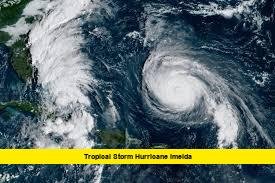

Tropical Storm Hurricane Imelda NOAA updates have become a top priority as the storm system strengthens over the Atlantic Ocean and tracks northward. Communities across the southeastern United States are closely following every advisory, as Imelda is expected to grow in intensity while brushing the Bahamas and potentially shifting closer to the U.S. coastline. With hurricane season already delivering multiple strong systems, the arrival of Imelda highlights the continued need for preparation and vigilance.
How Imelda Developed Into a Threat
The origins of Imelda trace back to a tropical wave that moved off the coast of Africa earlier this month. After crossing the Atlantic and interacting with warm Caribbean waters, the disturbance began showing signs of organization near Hispaniola. Within days, NOAA officially designated it as Tropical Storm Imelda.
As the system strengthened, the storm dropped heavy rain across Puerto Rico, the Dominican Republic, and eastern Cuba. These regions reported widespread flooding, with roads washed out and communities struggling with flash floods. Once clear of the mountainous terrain, the storm found favorable conditions over open waters—low wind shear, deep tropical moisture, and sea surface temperatures above 85°F—all of which allowed Imelda to strengthen further.
NOAA meteorologists now warn that the storm could reach hurricane strength before veering eastward, with its impacts felt well beyond the center.
Current NOAA Forecast on Imelda’s Track
As of the latest update, the center of Imelda is positioned just southeast of the Bahamas, moving northward at around 9 miles per hour. Sustained winds have reached 50 miles per hour, and forecasts predict steady strengthening over the next 48 hours.
Key details from the current forecast include:
- Wind Field: Tropical-storm-force winds already extend 175 miles from the center.
- Rainfall Totals: 4–8 inches are expected across the northwest Bahamas, with localized totals higher.
- Flood Threat: Flash flooding and mudslides are possible in areas with steep terrain, particularly across Cuba and Hispaniola.
- Track Shift: A projected east-northeast turn later this week could spare the mainland U.S. from direct landfall, but outer effects will still reach coastal communities.
NOAA stresses that forecasting models can change quickly, especially given the presence of nearby Hurricane Humberto, which may interact with Imelda and affect its trajectory.
Potential U.S. Impacts if the Track Shifts
Even without a direct landfall, Tropical Storm Hurricane Imelda NOAA alerts emphasize that the southeastern United States will likely see indirect impacts. Residents from Florida to the Carolinas are preparing for several possible hazards.
Florida’s East Coast
While no hurricane watches are currently in effect, Florida’s Atlantic coast remains under close watch. The main concerns are:
- Dangerous rip currents along popular beaches
- Coastal erosion caused by persistent surf
- Isolated heavy rain bands producing 1–3 inches of rainfall
Georgia and the Carolinas
Officials in North and South Carolina have already declared states of emergency. Although Imelda’s center is forecast to remain offshore, the following threats are possible:
- 2–4 inches of rain across inland regions, raising flood risks
- Coastal flooding in low-lying areas during high tide
- Gusty winds strong enough to bring down branches and disrupt travel
Offshore & Marine Interests
Imelda poses a serious risk to mariners operating in the Atlantic. High seas and dangerous waves are expected across a wide area. NOAA advises that small craft and larger vessels alike avoid affected zones until the system passes.
The Role of the Fujiwhara Effect
Meteorologists are paying special attention to the interaction between Imelda and Hurricane Humberto, a larger storm situated further east in the Atlantic. When two cyclones come within close proximity, they can begin to rotate around each other in what is known as the Fujiwhara Effect.
This rare phenomenon can alter storm paths in unexpected ways. In Imelda’s case, the interaction could:
- Pull the storm farther out to sea, sparing the U.S.
- Nudge the system westward, bringing it closer to the coast
- Accelerate the pace of movement, reducing preparation time for at-risk communities
Because of this, NOAA has warned that forecast confidence is lower than usual. Coastal residents should be prepared for sudden shifts in track.
Imelda’s Impact on the Bahamas and the Caribbean
The Bahamas, still in the storm’s direct path, are bracing for several days of heavy rainfall and strong winds. Local emergency agencies have urged residents to avoid travel, stock supplies, and prepare for potential flooding.
In Cuba, heavy rainfall has already triggered mudslides in some mountainous areas, while in Hispaniola, swollen rivers have cut off communities and forced evacuations. The widespread nature of these impacts demonstrates why NOAA classifies Imelda as a significant storm system, even if its ultimate path spares the U.S.
Preparedness Messages from NOAA
NOAA’s guidance stresses that even a tropical storm can produce life-threatening hazards. Communities should not focus solely on the storm’s projected center line. Instead, the emphasis should be on the broad hazards extending outward.
Key preparedness measures include:
- Stay Informed: Follow official NOAA advisories and local emergency management alerts.
- Plan for Flooding: Move valuables to higher ground, avoid driving on flooded roads, and know evacuation routes.
- Prepare Homes: Secure outdoor objects, reinforce weak structures, and ensure backup power supplies are available.
- Avoid Water Risks: Do not swim or boat in rough seas; rip currents can remain deadly even after skies clear.
Comparing Regional Risk Levels
To better understand the scope of Imelda’s potential impact, here is a breakdown of expected conditions by region:
| Region | Main Hazards | Timing |
|---|---|---|
| Bahamas | Heavy rain, flooding, tropical storm winds | Ongoing |
| Eastern Cuba | Rainfall, landslides in mountainous areas | Next 24 hours |
| Florida Atlantic Coast | Strong surf, rip currents, scattered rainfall | Next 24–36 hours |
| Carolinas & Georgia | Coastal flooding, heavy rain bands, gusty winds | Midweek |
| Offshore Waters | High seas, dangerous boating conditions | Throughout the week |
Broader Context: The 2025 Atlantic Hurricane Season
The Atlantic hurricane season of 2025 has already been active, with multiple named storms forming in rapid succession. Tropical Storm Hurricane Imelda adds to a lineup that has kept forecasters, emergency managers, and residents on high alert.
The overlapping presence of Hurricane Humberto underscores how quickly conditions can shift during peak season. NOAA’s ongoing advisories serve as a reminder that vigilance is critical, even when a storm is not projected to make landfall.
Looking Ahead: Will Imelda Stay Offshore?
While NOAA models lean toward Imelda curving east-northeast and avoiding a direct U.S. landfall, forecasters caution against complacency. Subtle shifts in steering currents, especially given the nearby presence of Humberto, could change the situation quickly.
If Imelda does strengthen into a hurricane before moving away, the southeastern U.S. may still face days of rough surf, dangerous marine conditions, and scattered flooding. The Bahamas, meanwhile, remain most at risk from direct impacts.
Conclusion
Tropical Storm Hurricane Imelda NOAA forecasts underline the importance of preparation and awareness during hurricane season. Even if the storm avoids a direct strike on the United States, its outer bands, surf, and rainfall could still disrupt life along the East Coast. With the storm intensifying near the Bahamas and uncertainties about its final track, coastal communities should continue monitoring updates closely.
How are you preparing for Tropical Storm Hurricane Imelda in your area? Share your thoughts in the comments and stay tuned for the latest updates.