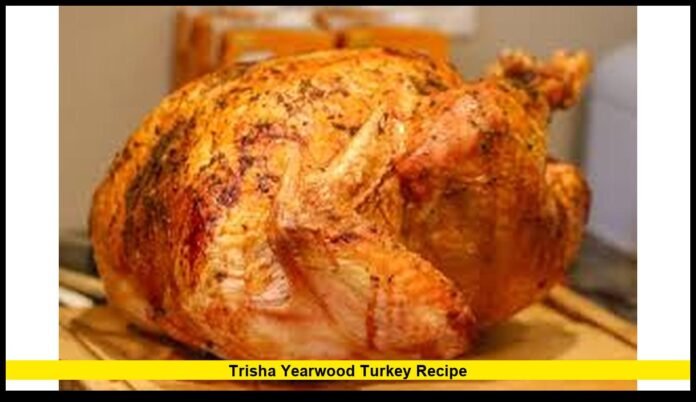

The trisha yearwood turkey recipe continues to stand out as one of the most trusted, approachable, and flavorful holiday dishes shared by the country star. In 2025, her no-fuss roasting method remains a top choice among U.S. home cooks preparing Thanksgiving and Christmas meals. It is beloved for its simplicity, its rich aroma, and its ability to deliver a tender, juicy turkey without requiring constant basting or complicated steps.
This extended, fresh, and SEO-optimized breakdown explores every detail of the recipe — from ingredients and prep techniques to roasting tips, flavor variations, and serving ideas. It’s written to help both first-time hosts and seasoned home cooks feel fully confident as they prepare this iconic centerpiece dish.
Why This Turkey Recipe Remains a Holiday Staple
Yearwood’s turkey method has earned a lasting reputation because it removes stress from what many consider the hardest part of holiday cooking. Many families want a reliable recipe that doesn’t demand expertise or complex timing. This method offers:
- Straightforward ingredients
- Minimal hands-on involvement
- Moist meat without basting
- A beautifully golden finish
- Predictable results every time
In 2025, as people continue seeking dependable, comforting dishes, the recipe has seen renewed attention on social platforms and cooking forums. Its straightforward approach appeals to busy households, first-time holiday hosts, and experienced cooks looking for a no-fail option.
What Makes the Recipe So Effective
At the core of this recipe is a combination of heat, moisture, and fat working together to maintain tenderness. The technique uses:
- Butter beneath and over the skin
- Aromatics inside the cavity
- A roasting pan with water to create steam
- An initial blast of high oven heat
- A long covered roast to prevent drying
This system keeps the turkey juicy, prevents the breast meat from becoming chalky, and ensures the entire bird cooks evenly.
Essential Ingredients and Their Purpose
The classic version uses everyday ingredients that are easy to find during the holiday season. Each plays a key role:
- Whole turkey (approx. 10–14 lbs): Works best for even cooking without overly long roast times.
- Unsalted butter: Provides richness, browning, and moisture.
- Salt and pepper: Simple seasoning that enhances the natural flavor of the turkey.
- Onion, celery, carrot: Placed inside the cavity, these aromatics add moisture and depth.
- Water: Poured into the roasting pan to create steam, helping the turkey remain tender.
The simplicity of these components contributes to the recipe’s accessibility. Nothing is complicated, yet the flavors come together beautifully.
Full Step-by-Step Breakdown for Best Results
This expanded guide walks through each stage of preparation with clarity and detail.
1. Prepare the Turkey
Before seasoning, pat the turkey dry thoroughly. Removing moisture from the skin helps the butter adhere and encourages browning. Trim any excess fat or loose skin, and check the cavity for giblets.
2. Butter the Skin Generously
Softened butter should be spread both under the turkey skin and over it. This step locks in moisture and gives the roast its signature buttery flavor and glossy finish.
3. Season Confidently
Season the cavity and the exterior with salt and black pepper. Don’t be shy — turkey meat is thick and needs a generous layer of seasoning to enhance its flavor.
4. Add Aromatics
Place onion quarters, carrot chunks, and celery stalks into the cavity. These vegetables release steam and subtly flavor the meat as the turkey cooks.
5. Use Water to Create a Steam Environment
Pour hot water or boiling water into the base of the roasting pan. The moisture creates a humid cooking environment, helping the turkey stay soft and juicy.
6. Begin with High Heat
The turkey starts in a very hot oven to jump-start browning. This initial heat helps set the skin and gives the bird its early color.
7. Cover and Slow Roast
After the first high-heat interval, the turkey is covered tightly with foil or a roasting lid. The oven temperature is reduced, and the turkey roasts slowly. This prevents the breast from drying out while ensuring the legs and thighs reach the right temperature.
8. Optional Final Browning
For cooks who enjoy extra-crisp skin, uncover the turkey for the last section of roasting. The hot air will deepen the color and crisp the exterior.
9. Rest Before Carving
Resting for 20–30 minutes is essential. Cutting too soon releases the juices, while resting allows the moisture to redistribute inside the meat.
Internal Temperature and Doneness Guide
To ensure a safe and properly cooked turkey, use a thermometer to check the thickest part of both the thigh and breast. The turkey is ready when both reach 165°F. Resting allows the temperature to even out and the meat fibers to relax, giving you tender slices.
Variations Shared Over Time
While the no-baste version is the best-known, Yearwood has presented alternative turkey ideas that many home cooks enjoy:
Maple-Citrus Glaze
A mixture of orange zest, maple syrup, and butter brushed on the turkey provides sweetness and a shiny caramelized coat.
Herb-Infused Butter
For more fragrant flavors, rosemary, thyme, sage, or parsley can be added directly to the softened butter, then rubbed under the skin.
Slow-Cooker Turkey Breast
For small gatherings, a turkey breast can be cooked slowly for several hours until tender enough for shredding or slicing.
Crispy-Skin Focused Roasting
Some variations keep the turkey uncovered for a longer stretch at the end of the cook to emphasize crisp edges.
Each of these options maintains the spirit of the original method while offering new flavors and textures.
Tips and Tricks for Best Holiday Results
Home cooks preparing this turkey for the first time can follow these pointers to enhance the outcome:
- Start with a fully thawed turkey for even cooking.
- Let the turkey sit at room temperature for 20–30 minutes before roasting.
- Ensure the butter is soft enough to spread easily.
- Use a heavy-duty roasting pan for best heat distribution.
- Avoid opening the oven door too often to maintain temperature.
- Use drippings to create smooth, flavorful gravy.
- Carve against the grain for tender slices.
These small practices help maintain moisture and improve presentation.
Side Dishes That Pair Perfectly
This turkey’s classic flavor profile matches nearly any holiday side. Ideal pairings include:
- Cornbread or traditional stuffing
- Creamy mashed potatoes
- Brown gravy made from pan drippings
- Roasted Brussels sprouts or green beans
- Cranberry relish or chutney
- Sweet potato casserole
- Soft dinner rolls
Because the turkey isn’t heavily seasoned with herbs or spices, it blends effortlessly with both traditional sides and fresh, modern dishes.
Why Families Continue Returning to This Recipe
What keeps this turkey recipe so loved is its balance of reliability and flavor. It isn’t overwhelming to prepare, and its step-by-step process fits comfortably into holiday routines. The bird emerges juicy, golden, and flavorful — the exact qualities families look for when preparing a meal that brings everyone together.
Whether cooked for Thanksgiving, Christmas, or a special gathering at any time of year, this recipe offers comfort, aroma, and a sense of tradition.
The trisha yearwood turkey recipe remains a holiday essential because it provides dependable results and warm, familiar flavors. If you’re planning a family gathering, this method offers everything you need for a tender, golden, stress-free roast.
Feel free to share how you prepare your holiday turkey or which variation your family enjoys most.