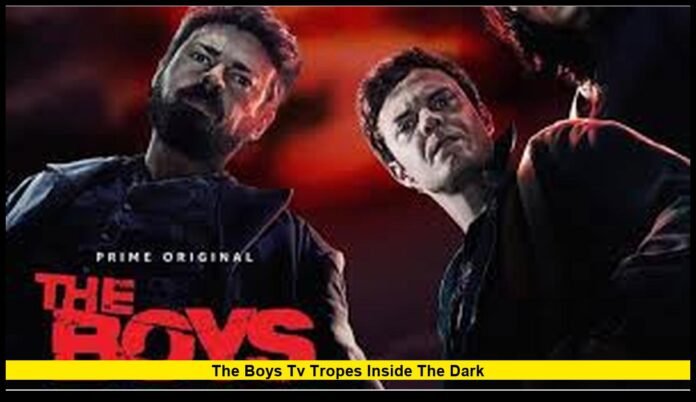

The global obsession with The Boys TV Tropes continues to grow as fans dissect every shocking twist, violent showdown, and satirical jab hidden within Amazon Prime Video’s hit superhero series. With four acclaimed seasons already behind it and a fifth on the way, The Boys has proven that its success isn’t just about shock value — it’s about sharp writing, layered performances, and an unflinching critique of power and corruption.
As of December 2025, The Boys remains one of Prime Video’s most-watched original series, blending over-the-top action with biting political commentary. While traditional superhero franchises focus on justice and heroism, The Boys dives into the opposite — exploring greed, manipulation, and moral decay beneath the cape.
A Superhero Show Unlike Any Other
Created by Eric Kripke and based on the comic series by Garth Ennis and Darick Robertson, The Boys premiered in July 2019 and immediately stood apart from mainstream superhero media. Its premise is simple yet subversive: what if superheroes, instead of being noble saviors, were narcissistic celebrities controlled by a powerful corporation?
The show’s world centers around Vought International, a mega-corporation that markets superheroes like pop stars while covering up their crimes. Within this system, The Seven — a team of the world’s most famous heroes — are treated as global icons despite their horrific moral failings.
Meanwhile, a small group of vigilantes known as The Boys work behind the scenes to expose the truth and bring these “heroes” to justice. This gritty David-and-Goliath dynamic drives the show’s central conflict and fuels many of its most notable TV tropes.
The Boys TV Tropes That Define the Series
The brilliance of The Boys lies in its ability to blend familiar storytelling conventions with shocking reinventions. Fans and critics alike have identified several defining tropes that make the series stand out.
1. The Corrupt Superman
The character Homelander, portrayed by Antony Starr, represents one of the show’s most defining tropes — the dark Superman archetype. On the surface, he’s the perfect all-American hero, but underneath lies a sociopathic narcissist obsessed with control and public adoration. His presence alone redefines what a “hero” can be, showing how unchecked power can warp even the most idealized figure.
2. The Anti-Hero Ensemble
Led by Billy Butcher (Karl Urban), The Boys themselves embody the anti-hero trope. They’re not saints — they’re violent, vengeful, and morally ambiguous. Yet they fight for justice in a world where heroes are villains. This inversion of the good-versus-evil dynamic challenges audiences to root for flawed individuals rather than icons.
3. Corporate Superhero Culture
The idea that superheroes could be branded, marketed, and monetized by a corporation is one of the show’s strongest satirical elements. Vought International functions as a symbol of modern corporate power, shaping narratives through media manipulation, celebrity endorsements, and political influence. This trope resonates strongly with real-world issues like propaganda, misinformation, and the commodification of morality.
4. The “Deconstruction of Heroism”
One of the show’s most studied tropes is its complete dismantling of the superhero myth. Instead of idealized saviors, The Boys gives viewers deeply flawed individuals — addicts, narcissists, and opportunists — whose actions cause more harm than good. This inversion exposes the hypocrisy behind the notion of moral perfection often portrayed in mainstream superhero franchises.
5. The Found Family Dynamic
Despite its brutality, The Boys never loses its emotional core. The bond between Hughie (Jack Quaid), Kimiko (Karen Fukuhara), Frenchie (Tomer Capone), Mother’s Milk (Laz Alonso), and Butcher reflects a powerful “found family” trope. These characters may be broken, but they find strength in one another. It’s one of the few glimmers of humanity in an otherwise cynical world.
6. The Corrupt Institution
Vought International’s control over politics, media, and even military operations highlights the “corrupt institution” trope — a recurring theme throughout the series. The company’s ruthless pursuit of profit and dominance creates an environment where morality is irrelevant, and deception is standard practice.
7. Satirical Hyperviolence
The show’s graphic violence isn’t just for shock value — it’s used to underscore the absurdity of glorified superhero violence. Scenes of chaos and destruction are not heroic; they’re horrifyingly real, reflecting the consequences of power without accountability.
The Boys’ Cultural Impact and Popularity
Since its debut, The Boys has evolved from a cult favorite into a pop culture phenomenon. Its fearless critique of celebrity worship, media bias, and political extremism has struck a chord with audiences worldwide. The show has earned multiple Emmy nominations for writing and acting, with Antony Starr’s portrayal of Homelander often cited as one of the best performances in modern television.
Beyond its critical acclaim, the series has influenced how superhero stories are told across the industry. Its success paved the way for spin-offs like Gen V, which explores the world of young superheroes trained at Vought’s college, and The Boys Presents: Diabolical, an animated anthology series.
By exposing the darker side of fame and heroism, The Boys has become a cultural mirror — one that reflects society’s obsession with power and spectacle.
Inside the Characters and Their Tropes
Each character in The Boys embodies multiple narrative archetypes, often twisted in unexpected ways.
- Homelander (Antony Starr): The god complex personified. He’s both protector and tyrant, embodying the “false messiah” trope.
- Billy Butcher (Karl Urban): The ruthless avenger archetype who blurs the line between justice and vengeance. His vendetta against superheroes drives much of the series’ moral tension.
- Hughie Campbell (Jack Quaid): The reluctant hero trope done right — an ordinary man thrust into extraordinary circumstances, serving as the audience’s emotional anchor.
- Starlight/Annie January (Erin Moriarty): The “idealistic newcomer” trope subverted. Her moral awakening and rebellion against Vought reflect the struggle of integrity versus survival.
- Kimiko Miyashiro (Karen Fukuhara): The silent warrior trope reimagined through trauma and redemption.
- Frenchie and Mother’s Milk: Both balance the chaos, embodying loyalty and humanity amid moral collapse.
The ensemble’s strength lies in how these tropes evolve season after season, showing that even the most damaged individuals can find purpose in a broken world.
The Current State of The Boys Universe (December 2025)
As of now, The Boys universe continues to expand. The main series has completed four seasons, with its most recent finale airing in July 2024.
- Season 5 Renewal: Amazon Prime Video officially renewed the series earlier this year. Filming is scheduled to begin in early 2026.
- Returning Cast: Karl Urban, Jack Quaid, Antony Starr, Erin Moriarty, Karen Fukuhara, and Laz Alonso are all confirmed to return.
- Expected Release: While no release date has been set, Season 5 is projected for late 2026 or early 2027.
- Story Direction: Showrunner Eric Kripke has hinted that Season 5 will explore “the final phase of Homelander’s rise to absolute power” and may lead toward the show’s conclusion.
Meanwhile, the spinoff Gen V concluded its first season in November 2024 and is currently filming its second season for a 2026 premiere. The crossover connections between the two shows continue to build what Kripke calls “the most morally chaotic universe on television.”
The Real-World Parallels That Keep Fans Hooked
Part of what makes The Boys so compelling is its relevance. The show’s depiction of propaganda, corporate control, and manufactured heroism mirrors many modern-day power structures. It challenges the notion of “truth” in media and questions whether anyone — even supposed heroes — can stay pure in a world driven by greed.
Its storytelling resonates beyond entertainment, sparking discussions on topics like political polarization, celebrity influence, and the weaponization of patriotism. Every season feels timely, reflecting the social anxieties of the real world.
The Legacy of The Boys TV Tropes
The staying power of The Boys lies in its fearless commitment to pushing boundaries. By taking familiar TV tropes and turning them inside out, the show has redefined what audiences expect from superhero storytelling.
It’s not just a parody — it’s a powerful commentary. It uses the absurd to highlight the truth, proving that even the most outrageous fiction can reveal real-world truths about human nature and corruption.
As production ramps up for Season 5, The Boys shows no signs of slowing down. With its mix of dark humor, shocking realism, and layered storytelling, it continues to be one of the most daring and relevant series in streaming history.