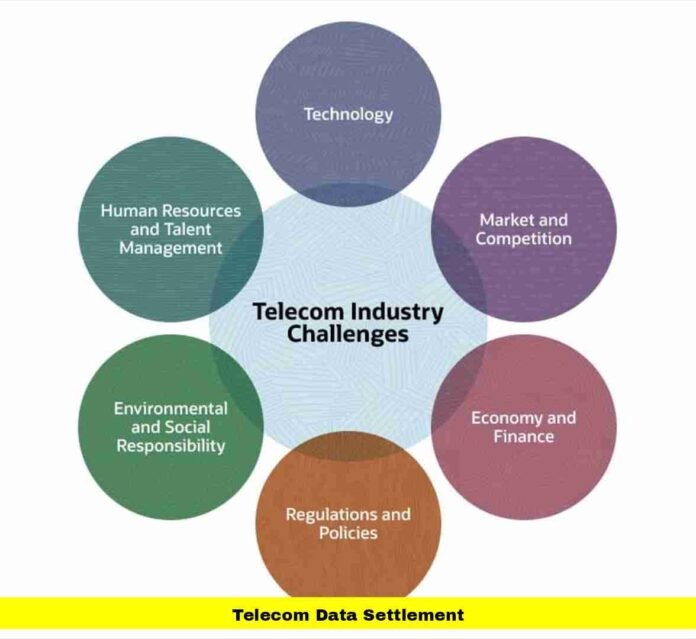

The term telecom data settlement has become increasingly relevant in recent months as major telecommunications companies face growing scrutiny over how customer information has been handled. In several high-profile cases, telecom giants have agreed to significant financial settlements tied to allegations surrounding data privacy, security breaches, and improper data-sharing practices. These developments are reshaping how the industry approaches consumer information and compliance.
Key Points Summary
- Major telecom companies are finalizing large settlements linked to data privacy and security practices.
- Millions of customers could be eligible for compensation.
- Stronger industry rules and improved data handling practices are expected moving forward.
- Settlement timelines and payment methods differ by company and case.
- Consumers are encouraged to stay informed and check their eligibility when settlement portals become available.
Growing Pressure on Telecom Companies Over Data Practices
Telecom companies handle vast amounts of personal data daily, from call records and browsing activity to precise location details. With this responsibility comes intense regulatory and public scrutiny. Over the past decade, the sector has experienced multiple data breaches and controversies, often involving unauthorized access or misuse of sensitive information.
Recent settlements reflect increasing accountability. Companies that once dominated the market with limited oversight are now expected to implement stronger security measures, revise data-sharing policies, and offer monetary compensation to affected users.
Many of these settlements are the result of prolonged legal battles and investigations into how user data was collected, stored, or shared without adequate safeguards. As a result, companies are now facing stricter obligations to ensure transparency and prevent similar issues in the future.
The Scale of the Telecom Data Settlement
The financial scope of recent telecom data settlements is considerable. Some agreements involve hundreds of millions of dollars in payouts to affected customers, as well as additional funds allocated for future compliance programs.
Settlements typically involve multiple components:
- Direct consumer compensation: Eligible individuals may receive payments if their data was mishandled.
- Regulatory penalties: Telecom companies must pay fines to federal or state authorities.
- Security upgrades: Companies commit to improving cybersecurity infrastructure and staff training.
- Policy changes: Firms must revise their data handling and disclosure practices to comply with updated regulations.
These measures mark a clear shift in the industry, signaling that telecom companies are no longer immune to consequences when data security fails.
How Consumers May Benefit from the Settlement
For millions of telecom customers, the most immediate impact of a data settlement is potential financial compensation. Many settlements allow affected users to submit claims through official settlement portals. Once approved, payments are distributed either as direct deposits, checks, or prepaid cards.
However, the benefits extend beyond individual payouts. Stronger compliance requirements mean that telecom companies must adopt better security systems and data management practices. Over time, this should reduce the likelihood of similar breaches happening again, protecting customers more effectively in the future.
Consumers are also expected to receive clearer communication from their providers. Settlements often require companies to inform users about data practices in more transparent language, rather than burying key details in lengthy terms and conditions.
Industry-Wide Implications and Regulatory Shifts
Telecom data settlements are not just isolated legal outcomes; they’re shaping the broader regulatory environment. Government agencies and privacy watchdogs are using these cases to set precedents.
Future telecom operations will likely be subject to:
- Tighter breach reporting timelines
- More explicit consent requirements before data is shared
- Increased auditing and compliance checks
- Higher financial penalties for non-compliance
These changes are intended to modernize privacy rules for an industry that has rapidly evolved with technology. As telecom networks expand to include 5G, Internet of Things (IoT) devices, and vast data ecosystems, regulators are seeking to ensure that security standards keep pace.
Legal Timelines and Claim Deadlines
Every telecom data settlement includes specific deadlines that customers must meet to file claims. Typically, the process involves submitting personal information, proof of account ownership, or confirmation of impact during the affected period.
Deadlines can vary, but they usually span several months to ensure maximum participation. Once the claim submission period ends, administrators verify eligibility and begin issuing payments. This verification stage is crucial to prevent fraudulent claims and ensure fairness.
Consumers are encouraged to stay attentive to communications from their telecom providers, particularly email notices or postal mail about settlement eligibility. Ignoring these notices could mean missing out on potential compensation.
Corporate Reforms Following the Settlement
Beyond paying financial penalties, telecom companies involved in these settlements must adopt structural reforms. These often include the appointment of dedicated privacy officers, the establishment of stronger internal compliance teams, and regular third-party audits.
Many companies are also upgrading their encryption methods, enhancing user authentication systems, and implementing strict access controls to ensure that personal data is not improperly accessed by employees or third parties.
These changes are designed not only to comply with settlement agreements but also to rebuild consumer trust in an industry where privacy concerns have grown rapidly.
Consumer Trust and Public Perception
Trust has become a valuable currency for telecom providers. Settlements highlight the consequences of failing to safeguard customer data, but they also provide opportunities for companies to show accountability and commitment to improvement.
Customers increasingly expect their telecom providers to handle personal information with the same care as financial institutions. Failure to do so can lead to reputational damage that lasts far beyond legal proceedings.
Restoring trust requires transparency, consistent communication, and a visible commitment to privacy — values that are now at the forefront of corporate strategies in the telecom sector.
The Future of Telecom Data Protection
Looking ahead, telecom data settlements are likely to accelerate the adoption of advanced security measures. Artificial intelligence tools, stronger encryption technologies, and more rigorous staff training programs will play a central role in preventing data breaches.
Companies that adapt quickly may gain a competitive advantage by positioning themselves as industry leaders in privacy protection. On the other hand, those that fail to evolve could face heavier penalties and loss of consumer confidence.
This ongoing transformation underscores the critical intersection of technology, law, and consumer protection in the telecommunications space.
Final Thoughts
Telecom data settlement cases serve as a powerful reminder of the responsibilities that come with managing vast amounts of personal information. For consumers, they offer both compensation for past issues and stronger protections going forward. For telecom companies, they mark a turning point toward greater transparency, accountability, and modernized data practices.
As these settlements unfold, staying informed and proactive is key for anyone who uses telecom services — which is virtually everyone.
T