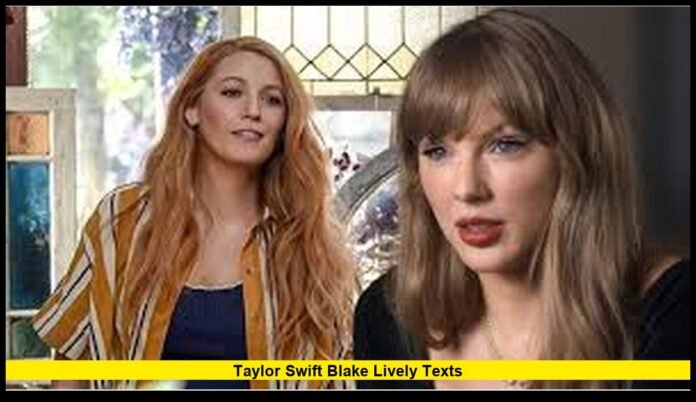

Taylor Swift Blake Lively texts moved from private conversations to legal evidence after portions of their messages were unsealed in a major U.S. courtroom battle tied to the film It Ends With Us. The disclosure placed one of pop culture’s most famous friendships into the center of an active lawsuit, turning casual phone exchanges into material examined by attorneys, judges, and the public.
The situation has drawn national attention not because of gossip alone, but because it highlights how personal communication can gain legal weight when a dispute escalates. What began as emotional support between two longtime friends is now part of a broader legal narrative involving workplace conduct, professional boundaries, and the limits of privacy in high-profile cases.
How Private Messages Became Court Evidence
The release of the Taylor Swift Blake Lively texts occurred during the discovery phase of litigation connected to It Ends With Us, the film adaptation of the popular novel that starred and was directed by Justin Baldoni, with Blake Lively in a leading role.
Lively filed legal claims alleging misconduct and retaliation related to her experience during production. Baldoni denied the allegations and challenged them in court. As both sides prepared their cases, attorneys sought access to communications that could help establish timelines, emotional impact, and the way events were discussed in real time.
Messages between Lively and close confidants, including Taylor Swift, were reviewed to determine whether they held relevance. A judge later ruled that certain portions could be unsealed, allowing limited excerpts to become part of the public court record.
What the Messages Reveal About Lively’s State of Mind
The disclosed texts show Blake Lively communicating openly about stress, frustration, and disappointment during the period in question. The tone of her messages reflects:
- Emotional strain linked to professional conflict
- A sense of feeling unsupported in key moments
- A need to confide in someone she trusted completely
The language is informal and candid, consistent with personal texting rather than statements prepared for legal scrutiny. The exchanges suggest that Lively viewed Swift not as a colleague in the film industry, but as a safe space to vent and process events.
Swift’s Role as a Support System
Taylor Swift’s replies in the unsealed messages demonstrate loyalty and empathy. Her responses were protective, reassuring, and, at times, blunt in their assessment of the situation Lively described.
The messages show Swift:
- Offering emotional reassurance
- Expressing anger on Lively’s behalf
- Reinforcing their close friendship and trust
There is no indication that Swift attempted to guide legal strategy or influence production decisions. The tone remains personal rather than professional, centered on friendship rather than industry involvement.
Why the Taylor Swift Blake Lively Texts Matter Legally
In legal terms, the significance of the Taylor Swift Blake Lively texts lies in context, not authority. The messages help establish:
1. Timeline
They indicate when Lively began expressing concern and how long those concerns persisted. This can be relevant when attorneys reconstruct sequences of events.
2. Emotional Impact
The texts provide insight into how Lively felt at various stages, which can be considered when evaluating claims of distress or hostile working conditions.
3. Consistency
Private messages can sometimes be compared with later statements to assess whether accounts remain consistent over time.
However, the texts do not function as proof of misconduct on their own. They are one piece of a much larger evidentiary picture.
What the Messages Do Not Establish
Despite online speculation, the unsealed texts do not show:
- Taylor Swift directing or influencing film production
- Swift participating in casting, editing, or script decisions
- Swift coordinating legal actions or advising on litigation strategy
Her involvement remains limited to private emotional support. The court has not identified her as a decision-maker or material witness at this stage.
The Broader Privacy Debate
The public release of Taylor Swift Blake Lively texts has reignited discussion about how much privacy public figures can expect once legal action begins.
Key questions raised include:
- Should deeply personal messages be exposed if they only offer emotional context?
- Where should courts draw the line between relevance and intrusion?
- How can digital communication be protected when it becomes discoverable evidence?
For celebrities, the case underscores a reality that many already fear: private words, written in moments of vulnerability, can later be read aloud in legal settings.
Public Reaction Across the U.S.
In the United States, reaction has been divided.
Some observers see the messages as a reminder that even global superstars rely on close friendships during difficult times. Others express concern that intimate communication is being dissected for legal advantage.
Social media discussion has focused on:
- The strength of Swift and Lively’s friendship
- The fairness of making such messages public
- The broader implications for workplace dispute cases in the entertainment industry
Current Status of the Case
As of now, the legal dispute involving Blake Lively and Justin Baldoni is ongoing. Pre-trial proceedings continue, and additional motions and evidence reviews are expected.
Taylor Swift is not a party to the lawsuit. She is not currently scheduled to testify, and no court order has named her as a central witness. The disclosed texts represent only a limited selection of messages reviewed under judicial supervision.
Why This Story Extends Beyond Celebrity Culture
The interest in Taylor Swift Blake Lively texts is not driven solely by fame. The situation illustrates several modern realities:
- Digital communication leaves permanent records
- Emotional support can become legal documentation
- High-profile individuals face unique exposure in disputes
For professionals across industries, the case serves as a reminder that workplace conflicts can reach far beyond office walls, drawing in personal relationships and private conversations.
A Friendship Under Public Scrutiny
Swift and Lively have maintained a close bond for years, often seen supporting each other at public events and family gatherings. The texts now in court reflect the same dynamic that fans have long observed: loyalty, trust, and openness.
What differs is the setting. Instead of a private phone screen, these words now exist in legal filings, subject to interpretation by attorneys and commentators alike.
The Lasting Impact of the Disclosure
Even after the case concludes, the unsealing of these messages is likely to influence how celebrities communicate in sensitive situations. Legal experts note that:
- More individuals may become cautious in written communication
- Encrypted or ephemeral messaging may gain popularity
- Attorneys may increasingly seek personal texts during discovery
The Taylor Swift Blake Lively texts episode may shape future conversations about digital privacy in legal disputes.
As this case continues to unfold, the spotlight on the Taylor Swift Blake Lively texts remains a powerful example of how friendship, fame, and the law can intersect in unexpected ways. Readers are encouraged to follow the developments and share their perspectives as new information emerges.