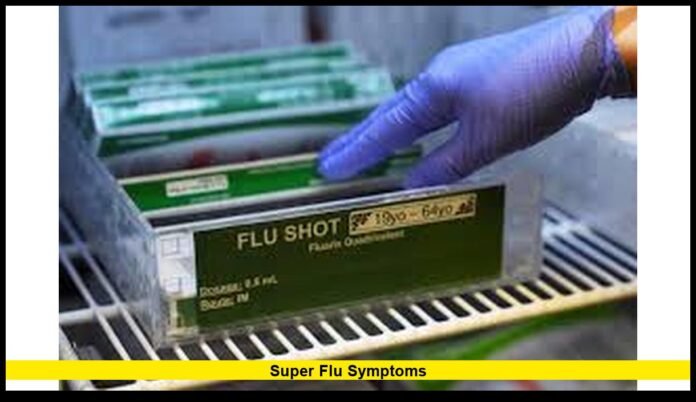

Super flu symptoms are drawing national attention as the United States experiences an unusually severe influenza season marked by early spread, higher case counts, and stronger illness across age groups. Doctors and hospitals report a sharp increase in patients presenting with intense flu-related symptoms, many describing this season as more physically exhausting than those in recent years.
While influenza is a familiar seasonal illness, the current strain circulating widely across the country has led to more pronounced symptoms, longer recovery times, and increased medical visits. Understanding what people are experiencing and how this flu behaves is essential as the season continues.
Why This Flu Season Feels Different
Influenza activity typically rises gradually and peaks later in winter. This season, however, flu transmission accelerated early and spread quickly across states. Clinics began seeing elevated flu cases weeks ahead of normal patterns, and many regions now report sustained high activity.
Healthcare providers describe a noticeable shift in how patients feel when infected. More people report being knocked off their feet within a day of symptom onset. Fevers spike quickly, body aches are severe, and fatigue can linger long after other symptoms improve.
This intensity has fueled the growing public use of the term “super flu,” a label reflecting impact rather than a new disease.
What Defines Super Flu Symptoms
Super flu symptoms align with influenza but tend to present with greater strength and persistence. Symptoms often begin suddenly and worsen within the first 24 to 48 hours.
Commonly Reported Symptoms
- High fever and chills
- Severe fatigue
- Deep, persistent cough
- Sore throat
- Runny or congested nose
- Headaches
- Muscle and joint pain
Many patients report that even basic activities feel difficult during the peak of illness. The level of exhaustion is often described as overwhelming rather than mild discomfort.
Fever Patterns This Season
Fever remains one of the most consistent super flu symptoms. Unlike low-grade fevers seen in milder seasons, many individuals experience temperatures exceeding 102°F.
Fever may:
- Appear suddenly
- Persist for several days
- Return after initially subsiding
Children and older adults are especially vulnerable to prolonged fever, making close monitoring important.
Fatigue That Lingers
One of the most disruptive features of this flu season is lingering fatigue. Even after fever breaks and congestion clears, many individuals report:
- Ongoing weakness
- Difficulty concentrating
- Reduced stamina
- Sleep disruption
This post-flu fatigue can last one to two weeks or longer, particularly in adults with demanding schedules or underlying health conditions.
Cough and Respiratory Symptoms
Coughing is another hallmark symptom this season. Patients often describe:
- Dry or hacking coughs
- Chest tightness
- Throat irritation
- Difficulty sleeping due to coughing
For some, cough persists well after other symptoms fade. This has led to increased concern about secondary respiratory infections, especially among older adults.
Gastrointestinal Symptoms Seen More Frequently
While influenza is primarily a respiratory illness, gastrointestinal symptoms are appearing more often this season, particularly in children.
These may include:
- Nausea
- Vomiting
- Diarrhea
- Stomach discomfort
When combined with fever and dehydration risk, these symptoms can worsen illness severity and prolong recovery.
Super Flu Symptoms in Children
Children are experiencing many of the same symptoms as adults, often with greater intensity.
Parents commonly report:
- Sudden high fever
- Lethargy and reduced activity
- Irritability
- Loss of appetite
- Vomiting or diarrhea
Children may struggle to communicate how unwell they feel, making behavioral changes an important signal.
Symptoms That Require Immediate Medical Care
While many flu cases resolve at home, certain symptoms should prompt urgent medical attention.
Adults Should Seek Care If They Experience:
- Difficulty breathing
- Chest pain
- Persistent dizziness or confusion
- Severe dehydration
- Symptoms that worsen after initial improvement
Children Need Immediate Care If They Show:
- Rapid or labored breathing
- Bluish lips or face
- No urination for several hours
- Seizures
- Extreme drowsiness
Early intervention can prevent serious complications.
Who Is Most Vulnerable This Season
Certain populations face a higher risk of severe illness from super flu symptoms.
These include:
- Adults aged 65 and older
- Children under five
- Pregnant individuals
- People with asthma, diabetes, heart disease, or lung disease
- Individuals with weakened immune systems
Extra precautions are advised for these groups, especially during periods of high community spread.
How Contagious This Flu Is
Influenza spreads easily through respiratory droplets released when coughing, sneezing, or talking.
People can spread the virus:
- Before symptoms appear
- During the first several days of illness
- Longer in children and immunocompromised individuals
Crowded indoor settings and close contact increase transmission risk.
Spread Across the United States
Flu activity remains elevated across much of the country. Urban and rural areas alike report high numbers of respiratory illness visits. Emergency departments have experienced increased demand, particularly during peak weeks.
Seasonal trends suggest continued activity through winter, with regional fluctuations.
Vaccination and Illness Severity
Vaccination remains an important defense this season. While infection is still possible after vaccination, immunized individuals tend to experience:
- Less severe symptoms
- Shorter illness duration
- Lower hospitalization risk
Vaccination also helps reduce overall community transmission, protecting vulnerable populations.
Treatment and Recovery
Treatment focuses on symptom management and early medical evaluation for high-risk patients.
Common recovery measures include:
- Rest
- Hydration
- Fever control
- Monitoring symptoms
Antiviral medications may be prescribed when appropriate, particularly early in illness or for individuals at higher risk of complications.
Distinguishing Flu From Other Illnesses
Super flu symptoms can overlap with other respiratory illnesses. However, flu typically presents with:
- Sudden onset
- Higher fever
- Strong body aches
- Extreme fatigue
Testing may be recommended to guide care decisions.
Preventing Household Spread
Simple steps help reduce transmission at home:
- Isolate sick individuals when possible
- Wash hands frequently
- Clean high-touch surfaces
- Avoid sharing personal items
These actions protect family members and caregivers.
Workplace and School Considerations
As flu activity rises across communities, staying home when ill remains one of the most effective ways to reduce spread in workplaces and schools. Employers and schools are increasingly encouraging staff, students, and families to stay home not just while feverish, but until at least 24 hours after a fever has fully resolved without the use of fever-reducing medication and overall symptoms are clearly improving. This helps ensure contagious individuals do not return too soon, because people with influenza can be infectious for several days. Many workplaces are adopting more flexible sick-leave and remote-work policies so employees don’t feel pressured to return early, and some are even offering on-site flu vaccines or informational campaigns to support healthy practices among staff. Schools are reinforcing guidance to keep children home when they show high fever, persistent cough, vomiting, or other super flu symptoms, because infected children can spread the virus to classmates and staff before and during peak illness. These steps — including clear communication of sick-leave rules and expectations from administrators — aim to protect vulnerable groups, maintain safe learning and working environments, and reduce overall flu transmission during this intense flu season.
Many employers and schools encourage sick individuals to remain home until fever-free.
What to Expect as the Season Continues
As the season continues, flu activity across the United States is not slowing down and, in many areas, is still climbing. Influenza infections are increasing in nearly all states, and the dominant strain remains highly contagious. Recent surveillance shows that a large portion of circulating flu viruses belongs to the H3N2 subvariant, and pediatric flu-related hospitalizations and deaths have already been reported this season — a sign of significant community impact. National models tracking flu burden show that weekly illness, medical visits, hospitalizations, and severe outcomes will likely rise through the winter months before peaking and gradually declining in early spring. Current trends suggest that influenza activity may remain elevated through at least March or April, with fluctuations depending on regional spread, travel patterns, and immune protection in the population. Staying vigilant for new and worsening super flu symptoms is crucial as people continue to gather indoors during the colder months and travel during holiday periods.
Recognizing super flu symptoms early and responding appropriately can reduce complications and help communities manage the ongoing season.
Staying informed about super flu symptoms allows individuals to protect themselves, support others, and navigate this demanding flu season with confidence — share your thoughts or stay connected for continued updates.