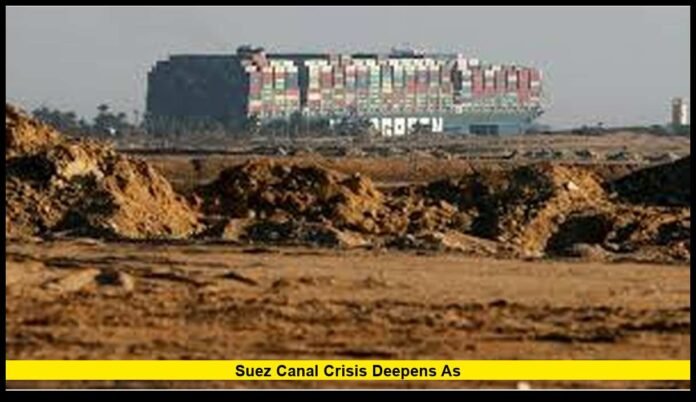

The suez canal crisis continues to disrupt global trade in 2026, creating ripple effects that are being felt across industries, economies, and households worldwide. What began as a security-driven disruption has now evolved into a prolonged logistical challenge, forcing shipping companies to rethink routes, businesses to adjust supply chains, and governments to respond to shifting economic pressures.
The canal, long considered one of the most critical arteries of international commerce, is now operating under strained conditions. Reduced traffic, ongoing safety concerns, and geopolitical tensions have combined to reshape how goods move between Asia, Europe, and North America.
A Critical Lifeline Under Pressure
The Suez Canal plays a central role in global trade, connecting the Mediterranean Sea to the Red Sea and providing the shortest maritime route between Europe and Asia. Under normal conditions, it handles a significant share of the world’s container traffic and energy shipments.
Its importance lies in efficiency. Ships traveling between major markets can save thousands of miles by using the canal instead of navigating around the southern tip of Africa. This time-saving route has historically kept shipping costs lower and delivery timelines predictable.
However, the ongoing disruptions have weakened this efficiency. As traffic through the canal declines, the entire global shipping system feels the strain.
If you want straightforward updates on global trade, shipping disruptions, and economic trends that impact everyday prices, keep following our coverage.
Shipping Traffic Remains Well Below Normal Levels
Despite efforts to stabilize operations, vessel traffic through the canal has not returned to pre-disruption levels.
Shipping companies remain cautious, and many are still avoiding the route altogether. Container ships, in particular, have significantly reduced their presence in the canal, choosing alternative paths that offer greater security.
Daily transit numbers continue to fluctuate, often falling far below historical averages. This reduced volume has created a backlog of delayed shipments and disrupted schedules across global logistics networks.
The decline is not limited to one type of cargo. Oil tankers, bulk carriers, and general cargo vessels have all adjusted their routes in response to ongoing risks.
Security Concerns Continue to Shape Global Shipping
The primary driver behind the crisis remains security instability in the surrounding region.
Over the past few years, commercial vessels passing through nearby waterways have faced repeated threats. These incidents have forced shipping companies to prioritize crew safety and cargo security over speed and cost efficiency.
Even when conditions temporarily improve, uncertainty lingers. Shipping firms are reluctant to resume full operations without clear and sustained stability.
As a result, many companies have adopted long-term contingency plans that avoid high-risk areas altogether. These plans include rerouting vessels, adjusting shipping schedules, and renegotiating contracts with clients.
Longer Routes Are Reshaping Global Logistics
With the Suez Canal no longer a reliable option for many carriers, alternative routes have become the new standard.
The most common adjustment involves sending ships around the Cape of Good Hope at the southern tip of Africa. While this route offers greater safety, it comes with significant trade-offs.
Journeys become longer by several thousand miles, adding days or even weeks to delivery times. Fuel consumption increases substantially, raising operational costs for shipping companies.
These longer routes also place additional strain on global shipping capacity. Fewer trips can be completed within the same timeframe, leading to tighter supply chains and reduced flexibility.
In some cases, companies have explored alternative logistics strategies, including shifting certain goods to air freight or using different maritime corridors. However, these options often come with higher costs and limited capacity.
Economic Impact Reaches Global Markets
The economic consequences of the suez canal crisis are now visible across multiple sectors.
Rising Transportation Costs
As shipping companies absorb higher fuel and operational expenses, transportation costs have climbed. These increases are gradually being passed down the supply chain, affecting manufacturers, retailers, and ultimately consumers.
Energy Market Volatility
The canal is a key route for oil and liquefied natural gas shipments. Disruptions have forced energy suppliers to reroute cargo, contributing to fluctuations in global energy prices.
Reduced Canal Revenue
Countries that rely on canal transit fees are facing significant financial pressure due to lower traffic volumes. The decline in revenue has broader implications for national budgets and economic stability.
Supply Chain Delays
Industries that depend on timely deliveries are experiencing delays and disruptions. Manufacturing schedules have been affected, and inventory management has become more challenging.
Impact on U.S. Businesses and Consumers
Although the canal is located far from the United States, its disruption has direct consequences for American markets.
Higher Prices on Imported Goods
Many consumer products sold in the U.S. are manufactured in Asia and transported through global shipping networks. Longer transit routes increase costs, which can lead to higher retail prices.
Inventory Challenges for Retailers
Retailers are facing longer restocking times, making it more difficult to maintain consistent inventory levels. Seasonal products and high-demand items are particularly affected.
Energy Price Sensitivity
Changes in global oil supply routes can influence fuel prices in the U.S. market. Even small disruptions can contribute to price fluctuations at the pump.
Business Planning Uncertainty
Companies that rely on international trade must now plan for longer delivery timelines and potential disruptions. This uncertainty complicates budgeting, forecasting, and logistics management.
Shipping Industry Adjustments and Strategies
The shipping industry has responded quickly to the ongoing challenges, implementing a range of strategies to maintain operations.
Many companies have diversified their routes to reduce reliance on any single corridor. This approach spreads risk but also increases complexity in logistics planning.
Insurance costs have also been adjusted to reflect the heightened risks in certain مناطق. These increased premiums add another layer of expense for carriers.
Some shipping lines have introduced surcharges to offset rising costs, while others have renegotiated contracts to account for longer transit times.
Despite these adjustments, the industry continues to operate under significant pressure, balancing safety, efficiency, and profitability.
Global Trade Patterns Are Evolving
The prolonged disruption has accelerated changes in global trade patterns.
Businesses are rethinking supply chain strategies, with many seeking to reduce dependence on long-distance shipping routes. This includes exploring regional manufacturing options and diversifying supplier networks.
Governments are also paying closer attention to infrastructure investments and trade policies that can enhance resilience.
These shifts suggest that the impact of the crisis may extend beyond the immediate disruption, influencing how global trade is structured in the future.
The Strategic Importance of Maritime Chokepoints
The situation highlights the vulnerability of key maritime chokepoints in the global economy.
The Suez Canal is one of several critical passages that handle a large share of international trade. When disruptions occur, the effects are felt worldwide.
This has led to increased focus on:
- Strengthening maritime security
- Enhancing international cooperation
- Developing alternative trade routes
These efforts aim to reduce the risk of future disruptions and improve the resilience of global supply chains.
Outlook for the Months Ahead
The future of the canal depends largely on improvements in regional stability and security conditions.
Shipping companies are closely monitoring developments and are prepared to adjust their strategies as conditions change.
A gradual return to higher traffic levels is possible if risks decrease, but a full recovery will likely take time. Confidence among shipping firms must be restored before normal operations can resume.
In the meantime, businesses and consumers should expect continued variability in shipping times and costs.
Conclusion
The suez canal crisis remains a major challenge for global trade in 2026, with far-reaching effects that extend well beyond the shipping industry. From higher costs and longer delivery times to shifting trade patterns, the disruption is reshaping the way goods move around the world.
For the United States, the impact is visible in rising prices, supply chain delays, and economic uncertainty. As the situation continues to evolve, staying informed will be essential for understanding how these changes affect everyday life.
What are your thoughts on how this crisis could shape the future of global trade? Share your perspective and stay connected for more updates.