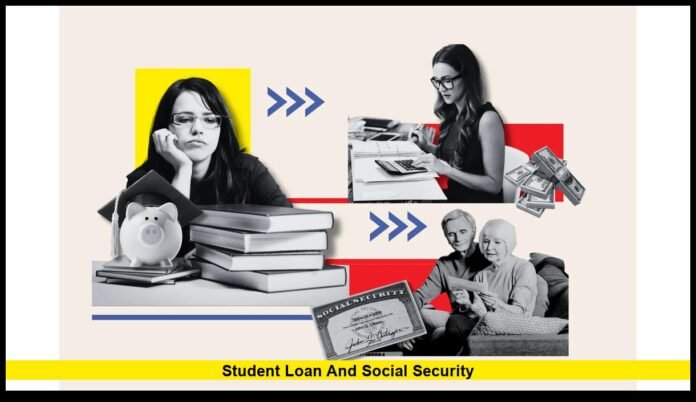

Americans are paying closer attention to student loans and social security in 2026 as federal repayment rules, collection policies, and retirement benefit concerns continue evolving. Millions of borrowers are now facing new repayment structures while older Americans worry about how unpaid education debt could affect monthly income during retirement.
The latest federal actions are reshaping how defaulted loans are handled, when collections may resume, and what borrowers can do to protect retirement benefits. At the same time, Social Security payments are increasing this year through a new cost-of-living adjustment, creating both relief and new financial questions for households already struggling with inflation and rising living costs.
Borrowers across the country are now trying to understand how these developments may affect tax refunds, disability benefits, Treasury offsets, and future repayment obligations. For many families, these policy changes are becoming one of the biggest financial stories of 2026.
People with federal student debt are also being encouraged to review their accounts now before additional repayment and collection systems fully take effect later this year.
Why This Issue Is Growing Nationwide
For years, student debt was viewed primarily as a problem affecting younger college graduates. That is no longer the case.
A rapidly growing number of Americans over age 50 and 60 still carry federal education debt. Some borrowed decades ago for their own schooling, while others took out Parent PLUS loans to help children or grandchildren attend college.
As interest accumulated and repayment struggles continued, many balances increased significantly over time. Some borrowers entered default after job losses, medical problems, or economic hardships made payments difficult.
Now, many retirees are discovering that unpaid federal loans can create financial problems long after working years end.
That concern has become especially serious because certain federal collection programs can reduce portions of Social Security benefits for borrowers who remain in default.
How Federal Collections Work
When federal student loans enter default, the government has several collection tools available.
These may include:
- Wage garnishment
- Tax refund interception
- Treasury Offset Program collections
- Collection fees and penalties
- Social Security benefit offsets
The Treasury Offset Program allows the federal government to collect overdue debts by withholding money from federal payments that would otherwise go to borrowers.
For retirees, this can mean losing part of a monthly Social Security retirement benefit.
Although protections exist that limit how much can be withheld, even smaller reductions can create major financial pressure for households already living on fixed incomes.
Rising prices for groceries, utilities, healthcare, insurance, and housing have made those concerns even more urgent in 2026.
Temporary Collection Delays Bring Relief
One of the biggest federal developments this year involves a temporary delay in certain involuntary collection actions tied to defaulted student loans.
Federal officials announced that some collection efforts would pause temporarily while broader repayment reforms are implemented.
The delay affects several collection activities, including:
- Administrative wage garnishment
- Some Treasury Offset Program actions
- Certain federal payment interceptions
The move gives borrowers additional time to explore repayment programs, rehabilitation options, and updated assistance systems before more aggressive collection activity resumes.
For older borrowers living on retirement income, the delay offers temporary breathing room after years of uncertainty surrounding federal repayment policy.
However, federal officials have also made clear that repayment obligations still exist, meaning borrowers should not ignore notices or assume balances have disappeared.
Millions Still Carry Federal Student Debt
Student loan balances remain one of the largest forms of household debt in the United States.
While many borrowers continue making payments successfully, millions remain behind or in delinquency status.
Several factors contributed to the current situation:
- Rising college tuition costs
- Economic disruptions during the pandemic
- Interest accumulation over time
- Changing repayment systems
- Borrower confusion over loan servicers
- Delays tied to legal and policy battles
For older borrowers, the situation can become even more difficult because retirement income often leaves little room for unexpected expenses or debt collection activity.
Many retirees now rely almost entirely on Social Security payments to cover monthly living costs.
That has increased public attention on how federal student loan collections interact with retirement benefits.
New Repayment Systems Are Arriving in 2026
Another major change this year involves the federal government restructuring student loan repayment programs.
Several existing repayment options are being phased out while new assistance systems are introduced.
Federal officials say the goal is to simplify repayment and create a more predictable structure for borrowers.
Key changes expected during the transition include:
- New repayment assistance formulas
- Adjusted income-based calculations
- Updated forgiveness timelines
- Additional interest protections
- Revised default recovery programs
The government is also trying to reduce confusion caused by overlapping repayment plans that existed for years.
Borrowers are being encouraged to review eligibility requirements carefully because some older repayment options may no longer be available under the updated framework.
What Older Borrowers Should Watch Closely
Retirees and near-retirees with federal student loans face several important financial questions this year.
Among the biggest concerns:
- Whether collections could reduce Social Security payments
- How default status affects retirement income
- What repayment programs remain available
- Whether rehabilitation can remove default status
- How disability discharge programs work
Financial counselors continue urging borrowers not to wait until collection notices arrive before taking action.
Reviewing account status early can help borrowers avoid more serious problems later.
For some people, entering a repayment agreement or rehabilitation program may help prevent future Treasury offsets tied to federal benefits.
Loan Rehabilitation Is Becoming More Important
Federal loan rehabilitation programs are receiving renewed attention in 2026 because updated rules are creating additional opportunities for borrowers in default.
Loan rehabilitation allows eligible borrowers to make a series of agreed-upon payments to restore loans to good standing.
Benefits of rehabilitation may include:
- Ending default status
- Reducing collection activity
- Regaining repayment flexibility
- Improving credit history over time
- Restoring eligibility for certain federal aid programs
For borrowers concerned about future Social Security offsets, rehabilitation can provide an important path toward stabilizing loan status before collection systems intensify again.
Many financial experts believe awareness of rehabilitation options remains too low among older Americans.
Disability Borrowers Have Separate Protections
Borrowers receiving disability-related federal benefits may qualify for additional protections.
Some individuals receiving Social Security Disability Insurance may be eligible for Total and Permanent Disability discharge programs for federal student loans.
These programs can eliminate remaining qualifying federal loan balances for borrowers unable to maintain substantial employment because of long-term disabilities.
Many disability advocates continue encouraging eligible borrowers to review discharge requirements carefully, especially as federal repayment systems continue changing.
Understanding eligibility rules can make a significant financial difference for households already dealing with medical challenges and reduced earning capacity.
Social Security Payments Increase in 2026
While student loan rules are changing, Social Security beneficiaries are also receiving a cost-of-living increase this year.
The 2026 COLA adjustment raised benefits to help retirees manage inflation and higher everyday expenses.
For millions of households, the increase provides additional monthly income for essentials such as:
- Food
- Rent
- Utilities
- Prescription medications
- Transportation
- Insurance costs
However, borrowers worried about future offsets remain concerned that collection activity could reduce part of those gains if delinquent federal student loans remain unresolved.
That concern is especially strong among retirees who already face tight budgets and limited financial flexibility.
The Emotional Toll of Long-Term Student Debt
Beyond financial strain, long-term education debt often creates emotional stress for borrowers.
Many older Americans expected to enter retirement without student debt obligations. Instead, some continue carrying balances into their 60s and 70s.
Borrowers frequently report feeling overwhelmed by:
- Interest growth
- Collection notices
- Repayment confusion
- Constant policy changes
- Fear of losing retirement income
For parents who borrowed to help children attend college, the emotional impact can feel especially frustrating.
Some retirees say they never expected education loans to follow them into retirement decades after the original borrowing occurred.
Borrowers Are Watching Washington Closely
Federal student loan policy remains one of the most closely watched financial issues in the country.
Borrowers are monitoring several major areas throughout 2026, including:
- Repayment plan implementation
- Collection restart timelines
- Treasury Offset Program rules
- Forgiveness program adjustments
- Loan servicing changes
- Federal court decisions affecting repayment systems
Because regulations continue evolving, many financial advisors recommend that borrowers stay updated regularly rather than relying on outdated repayment assumptions.
Small policy changes can sometimes create major financial consequences over time.
How Borrowers Can Prepare Right Now
Financial experts say borrowers should begin organizing loan information immediately if they have not already done so.
Important steps may include:
- Verifying loan balances
- Checking whether loans are federal or private
- Reviewing repayment status
- Updating contact information with servicers
- Monitoring official notices carefully
- Exploring rehabilitation eligibility
- Understanding income-driven repayment options
Borrowers nearing retirement may also benefit from reviewing how student loan obligations fit into broader retirement planning strategies.
That includes evaluating monthly budgets, expected Social Security income, healthcare costs, and other debt obligations.
Why 2026 Could Reshape Student Loan Repayment for Years
The changes happening now may become one of the biggest federal student loan transitions in decades.
The government is attempting to:
- Simplify repayment systems
- Improve default recovery procedures
- Reduce administrative confusion
- Expand borrower assistance options
- Adjust collection practices
At the same time, millions of Americans continue dealing with higher living costs and financial uncertainty.
For retirees and older borrowers especially, the relationship between education debt and retirement security has become increasingly important.
The debate surrounding collections tied to federal benefits is likely to remain a major issue as policymakers continue balancing repayment enforcement with financial hardship concerns.
Borrowers Should Stay Alert as More Changes Arrive
Additional repayment and collection updates are expected throughout the remainder of 2026 as federal agencies continue implementing reforms.
Borrowers who stay informed and act early may have more options available than those who wait until collections restart fully.
Understanding loan status, repayment choices, rehabilitation opportunities, and benefit protections could help many Americans avoid larger financial problems later.
As federal repayment systems continue evolving, millions of households are now watching closely to see how the next phase of student loan reform affects retirement income, financial stability, and long-term debt management across the country.
Have thoughts on the latest student loan and retirement benefit changes? Join the conversation and stay updated as new developments continue unfolding in 2026.