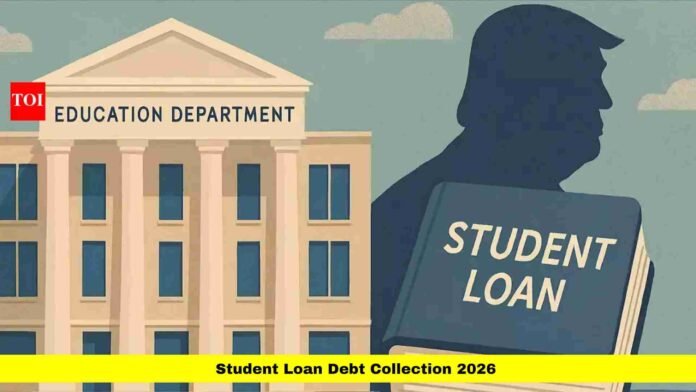

The landscape of federal student loan enforcement is firmly set as the U.S. moves closer to 2026. Collection activity has already resumed following the end of pandemic-era relief, and the systems in place now will continue operating into the coming year. For millions of borrowers, this means accountability has fully returned, along with clearly defined consequences for unresolved loan balances.
This in-depth report explains how collection activity functions as 2026 approaches, who is affected, what actions trigger enforcement, and which options remain available for borrowers seeking resolution. Every section stays tightly centered on the reality of loan recovery efforts expected during this period.
Where Federal Student Loan Enforcement Stands Now
Federal student loan enforcement is no longer suspended. Billing has restarted, delinquency timelines are active, and defaulted accounts are once again subject to recovery actions. Temporary protections that once blocked penalties have expired, and the system has transitioned back to standard procedures.
By the time 2026 arrives, these practices will not be new or experimental. They represent the continuation of policies already in effect, with no confirmed plan for another widespread pause.
Why 2026 Is a Critical Year for Borrowers
The year 2026 matters because it reflects a full return to long-term federal enforcement rather than a recovery phase. Borrowers who delayed action during the restart period may find fewer warnings and faster consequences.
Loan servicers and federal authorities are expected to treat nonpayment as a compliance issue rather than a transitional challenge. That shift makes preparation essential.
Understanding What Collection Activity Means
Collection activity applies primarily to loans that have entered default after prolonged nonpayment. Delinquency comes first, followed by default if unresolved. Once a loan reaches that stage, recovery mechanisms activate automatically unless the borrower intervenes.
These mechanisms are authorized by federal law and do not require court involvement in most cases.
Common Enforcement Actions in Place
Borrowers in default may face several recovery measures. These include direct deductions from wages, interception of federal tax refunds, reduction of certain government benefits, assignment to recovery agencies, and long-term credit damage.
Each method operates independently, meaning more than one can apply at the same time.
Wage Garnishment and Its Impact
Wage garnishment allows a portion of disposable income to be taken directly from paychecks. Employers are legally required to comply once notified.
For borrowers approaching 2026 in default status, this remains one of the most immediate and noticeable consequences of inaction.
Tax Refund Interception Explained
Federal tax refunds can be withheld and applied toward unpaid loan balances. This process occurs automatically once a borrower is eligible for offset.
Many borrowers only discover this enforcement step when their expected refund is reduced or eliminated.
Social Security and Federal Benefits
Certain federal benefits, including Social Security payments, may be reduced to recover unpaid student loan balances. While limits apply, the impact can still be significant for older borrowers.
This enforcement tool continues into 2026 under existing authority.
Credit Reporting Consequences
Defaulted loans are reported to credit bureaus, often remaining on credit reports for years. This affects access to housing, financing, insurance rates, and employment screening.
Repairing credit after default takes time, even once payments resume.
How Private Student Loans Differ
Private student loans follow a different legal path. Lenders must typically pursue repayment through civil court and follow state-specific rules.
The enforcement environment discussed here applies specifically to federally held student loans.
Borrower Rights Still Exist
Even with enforcement active, borrowers are not without protections. Notice requirements apply before garnishment begins. Errors can be disputed. Resolution options remain available.
Understanding these rights can prevent unnecessary hardship.
Loan Rehabilitation as a Recovery Path
Loan rehabilitation allows borrowers to exit default by making a series of agreed-upon payments. Completion restores loan status and removes default from credit history.
This option remains one of the most effective ways to stop enforcement actions.
Repayment Plans That Prevent Default
Income-based repayment plans adjust monthly obligations based on earnings and family size. Enrollment can prevent loans from entering default entirely.
These plans remain available and widely promoted as a long-term solution.
Why Ignoring Notices Makes Things Worse
Failure to respond to official notices often accelerates enforcement. Many recovery actions proceed automatically once timelines expire.
Borrowers who engage early usually retain more control over outcomes.
Why 2026 Does Not Bring a New Reset
Some borrowers assume each new year brings policy changes. That assumption is risky. There is no confirmed reset planned for 2026.
Existing rules carry forward unless formally changed, and enforcement continues without interruption.
Debt Levels Entering 2026
Outstanding federal student loan balances remain historically high. A significant share belongs to borrowers who experienced payment disruptions during the pause.
Recovery efforts in 2026 focus on long-standing obligations rather than recent borrowing.
Who Faces the Highest Risk
Borrowers most likely to encounter enforcement include those who failed to resume payments, ignored outreach, or were already in default before relief programs began.
These individuals may face multiple recovery actions simultaneously.
The Role of Collection Agencies
Private agencies may assist with recovery efforts under federal supervision. They are required to follow strict communication and conduct standards.
Their involvement does not change borrower rights or available resolution options.
Common Misunderstandings
Many borrowers believe enforcement is optional or delayed indefinitely. Others assume forgiveness applies automatically.
Both beliefs are incorrect and often lead to avoidable penalties.
Steps Borrowers Can Take Before 2026
Borrowers can reduce risk by reviewing loan status, confirming contact information, enrolling in repayment plans, or beginning rehabilitation if needed.
Proactive steps often stop enforcement before it begins.
Why Accurate Information Matters
Confusion surrounding loan policies has caused unnecessary financial strain. Clear understanding allows borrowers to make informed decisions.
Reliable knowledge remains the strongest defense against unexpected recovery actions.
Key Points to Remember
Enforcement is active. Recovery tools are authorized. Resolution options exist but require action.
Waiting rarely improves outcomes.
Looking Ahead
As 2026 approaches, the student loan system reflects stability rather than transition. Borrowers who engage with available options can avoid most penalties. Those who do not may face escalating consequences that are difficult to reverse.
Preparation now reduces stress later.
How are you handling your student loan obligations as enforcement continues to normalize? Share your perspective below or stay informed as repayment policies move forward.