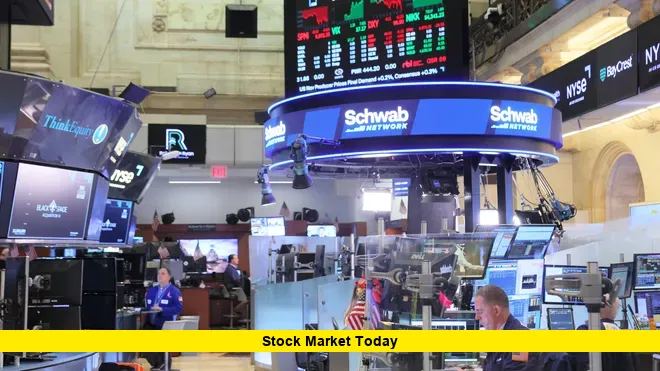

On a quiet trading day for U.S. exchanges, stock market today sentiment tilted sharply toward risk aversion as global markets weakened and safe-haven assets surged. With major U.S. stock exchanges closed for the Martin Luther King Jr. Day holiday, investors around the world absorbed a wave of geopolitical and trade-policy developments that intensified uncertainty across financial markets.
From equities and futures to precious metals and crypto, financial instruments moved in patterns that reflect heightened caution. This comprehensive report examines current market dynamics, investor reactions, and what could unfold when trading resumes in the United States.
U.S. Markets Silent for Federal Holiday
The New York Stock Exchange and Nasdaq observed the federal holiday on January 19, 2026, meaning U.S. stock and options markets remained shut for the day. In addition to standard closures, there were no pre-market or after-hours sessions. The quiet trading environment placed the spotlight on international markets and derivatives, which continued to reflect evolving risk sentiment. U.S. markets are scheduled to reopen with regular hours on the next business day.
Futures and Overseas Markets Reflect Caution
Even without trading on U.S. exchanges, futures tied to major American indexes offered insight into investor expectations once markets resume. Contracts for key benchmarks such as the S&P 500, Dow Jones, and Nasdaq were trading lower, indicating that traders anticipate potential weakness ahead.
Across Europe and Asia, stocks were broadly under pressure. Export-sensitive sectors like industrials and luxury goods saw notable declines as trade policy fears took center stage. Financial markets outside the U.S. responded more quickly than ever to these geopolitical cues in the absence of domestic equity activity.
Tariff Escalation Sparks Market Volatility
The catalyst driving much of this market motion stems from renewed trade tension between the United States and several European countries. A major announced expansion of tariffs on imported goods from eight European nations unsettled investors, prompting concerns about the potential for a broader transatlantic trade conflict.
The proposed tariff structure would begin with a modest levy and rise substantially over subsequent months unless diplomatic agreements are reached. This sort of escalation typically raises questions about economic growth, corporate earnings outlooks, and the stability of international trade relationships—all core drivers of equity performance.
Safe-Haven Demand Drives Precious Metals Higher
Amid weakening risk assets, demand for traditional safe-haven investments surged. Gold climbed to unprecedented price levels, with silver also reaching record territory. These sharp moves in metals markets indicate that investors are reallocating capital into assets perceived to preserve value during periods of uncertainty.
The classic “flight to safety” pattern seen in precious metals was echoed in currency markets, where reliable reserve currencies strengthened relative to the U.S. dollar, which showed mixed performance.
Currencies Echo Risk Sentiment
Foreign exchange markets offered further evidence of risk-off positioning. The Japanese yen and Swiss franc, typically favored in risk-averse environments, strengthened versus the U.S. dollar. The rotation away from risk assets often boosts these safe currencies, reflecting global hedging behavior.
In contrast, currencies more closely tied to cyclical growth tended to weaken as traders priced in greater economic risk.
Cryptocurrencies Take a Hit
Not immune to broader market sentiment, major cryptocurrencies also felt downward pressure. Bitcoin slid several percentage points in early trading sessions as investors reduced exposure to high-volatility digital assets. This move underscored the widespread impact of trade policy news, where risk assets across multiple classes suffered simultaneous declines.
Energy Market Shows Resilience
While equities and crypto struggled, the energy sector offered some relative strength. Crude oil prices maintained stability, supported by supply expectations and ongoing demand in key global regions. Still, energy stocks experienced some pressure consistent with overall risk-off behavior.
Balance sheet strength and demand forecasts will likely determine how individual energy equities perform as market sentiment evolves.
Sector Trends Highlight Investor Caution
Different market segments displayed distinct behaviors in response to these developments:
- Defensive sectors such as utilities and consumer staples gained attention as attractive alternatives to more volatile areas.
- Technological and growth stocks remained sensitive to global developments, as these companies often depend heavily on international demand and supply chains.
- Financials and industrials saw additional selling, reflecting concerns about trade disruptions and macroeconomic stress.
This rotation indicates a widespread evaluation of risk across sectors, with an emphasis on capital preservation over aggressive positioning.
Global Equity Index Slippage
International benchmarks registered notable declines, mirroring the soft tone in futures. European stock indexes were among the hardest hit, weighed down by tariff implications and potential retaliatory measures. Asian markets showed mixed results but generally weakened amid reduced appetite for higher-beta assets.
Investors continue to reassess exposure to global equities as confidence dips in the face of ongoing policy uncertainty.
The Dollar and Other Major Currencies
Currency markets played a significant role in signaling broad shifts in investor outlook. The dollar experienced downward pressure as foreign exchange traders opted for traditional safe-haven currencies. The relative performance of the dollar versus currencies like the yen and franc highlights divergent expectations for economic stability.
These currency movements can have direct implications for multinational corporations and U.S. exporters, potentially impacting earnings and investor positioning.
What to Watch When U.S. Markets Reopen
When normal trading resumes in the United States, several critical factors could influence market direction:
- Corporate Earnings Reports: The early earnings season may set the tone for valuations and investor confidence across sectors.
- Economic Data Releases: Key indicators such as inflation metrics and employment figures will offer fresh insight into the economic trajectory.
- Trade Negotiations and Policy Updates: Any shifts in tariff strategy or diplomatic engagement could quickly alter investor sentiment.
These events will likely drive volatility and reshape portfolio allocations in the short term.
Investor Strategies in an Uncertain Environment
Faced with increasing geopolitical risk and market anxiety, many investors are reevaluating their strategies:
- Hedging with bonds and precious metals to mitigate exposure to equity downturns.
- Maintaining exposure to high-quality, dividend-paying stocks that offer stability and income in volatile times.
- Monitoring foreign exchange trends as currency shifts can affect both domestic and international investment returns.
- Preparing for potential volatility after the holiday closure with tactical risk management tools like options hedges.
These approaches reflect a balanced focus on risk management and long-term opportunity.
A Turning Point for Market Sentiment?
The current market environment shows familiar signs of defensive positioning, with investors seeking security in tangible assets and currencies traditionally associated with stability. While uncertainty remains elevated, such phases can also provide opportunities for disciplined investors to adjust portfolios and refine strategies in response to emerging trends.
As financial markets digest policy developments and economic data continues to roll in, investor focus will shift toward interpreting how these forces interact to shape future growth prospects.