
The State of the Union facts Americans are searching for right now reflect a mix of constitutional tradition, modern political tension, and national reflection. As the country prepares for the 2026 presidential address to Congress, interest has intensified across party lines. Citizens want clarity on what this speech represents, how it evolved, who participates, and what it means in today’s political climate.
This in-depth report presents a comprehensive look at confirmed details surrounding the State of the Union, its constitutional foundation, its historical transformation, and the current national atmosphere heading into the 2026 address.
The Constitutional Foundation of the State of the Union
The State of the Union originates directly from Article II, Section 3 of the United States Constitution. The Constitution requires that the president periodically provide Congress with information on the condition of the nation and recommend measures deemed necessary and expedient. This mandate forms the legal backbone of the annual address. While the Constitution does not specify the exact format or timing, tradition has established the speech as an annual event delivered before a joint session of Congress.
Over time, presidents have interpreted this requirement differently. Early presidents often submitted written messages rather than appearing in person. However, as communication methods evolved and the presidency grew in visibility, the in-person speech became the modern standard. Today, it stands as one of the most anticipated political events of the year.
How the Address Evolved Over Centuries
George Washington delivered the first State of the Union message in 1790. After him, Thomas Jefferson discontinued the practice of delivering the message in person, choosing instead to submit written reports to Congress. That written format remained common for more than a century.
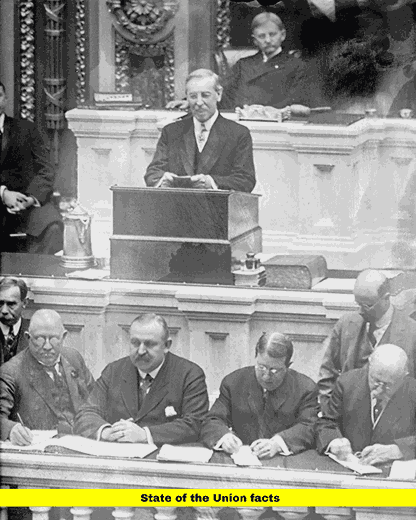
In 1913, President Woodrow Wilson revived the practice of delivering the message directly to Congress. The expansion of radio in the 1920s and television in the 1940s transformed the speech into a national broadcast event. By the late 20th century, it had become a prime-time address watched by millions of Americans.
Today’s State of the Union blends constitutional duty with modern political messaging. It is both a formal report to lawmakers and a public appeal to the nation.
When and Where the 2026 Address Will Take Place
The 2026 State of the Union address is scheduled to occur in the House chamber of the United States Capitol in Washington, D.C. The president will speak before a joint session of Congress, which includes members of the House of Representatives and the Senate. The Supreme Court justices, Cabinet members, and military leadership typically attend as well.
The speech is traditionally held in the evening to allow nationwide television coverage. Major broadcast networks and digital platforms carry the address live, making it accessible to millions of viewers across the country.
Who Attends and Why It Matters
Attendance at the State of the Union is carefully structured. Members of Congress sit together by party affiliation. The Speaker of the House sits directly behind the president, alongside the Vice President. Supreme Court justices attend as observers, reflecting the separation of powers among the three branches of government.
Presidents also invite special guests who sit in the gallery. These guests often represent policy themes highlighted in the speech. For example, presidents have invited small business owners, military families, healthcare workers, educators, and individuals whose stories illustrate national issues.
The presence of these guests adds a human dimension to policy discussions and often shapes the tone of the address.
The Political Climate Surrounding the 2026 Address
Public opinion surveys conducted ahead of the 2026 speech show significant political polarization. A substantial portion of Americans report dissatisfaction with the overall direction of the country, while others express confidence in economic or security policies.
Many Americans indicate concerns about democratic institutions, federal spending, border policy, and inflation. Others focus on job growth, energy independence, and global leadership. These competing narratives reflect the deeply divided political landscape heading into the speech.
The State of the Union often becomes a defining moment for shaping or responding to these public perceptions.
Core Issues Expected to Define the Speech
Economic policy remains at the forefront of national discussion. Americans continue to monitor inflation trends, job growth figures, and interest rate developments. The president traditionally uses the address to highlight economic achievements and outline fiscal proposals.
Immigration and border security also dominate political discourse. Legislative debates over enforcement, humanitarian concerns, and funding levels have intensified in recent months.
National security remains another central topic. Ongoing international conflicts and geopolitical competition influence defense strategy discussions.
Healthcare affordability, prescription drug pricing, and access to coverage continue to resonate strongly with voters. Education funding and public safety policies are also likely to receive attention.
The State of the Union provides a platform to connect these policy areas into a broader vision of national direction.
How the Speech Impacts Legislative Action
The address does not create law by itself, but it sets the legislative agenda for the year. Presidents often outline specific proposals and call on Congress to act. These proposals may include budget priorities, infrastructure initiatives, tax policies, or reforms in areas like immigration or healthcare.
Members of Congress typically respond through debates, committee hearings, and negotiations following the speech. In many cases, portions of the address become the foundation for legislative battles that shape the political year.
The opposition party delivers a formal rebuttal shortly after the president concludes, offering a contrasting perspective.
Public Reaction and National Dialogue
The State of the Union generates immediate reaction across social media platforms, news broadcasts, and community discussions. Fact-checking organizations analyze statements in real time. Political analysts assess tone, messaging strategy, and policy feasibility.
Polling often follows within days, measuring public approval of the speech. These polls can influence momentum heading into legislative sessions or election cycles.
The address functions as both a governance report and a national conversation starter.
The Symbolism Behind the Event
Beyond policy details, the State of the Union symbolizes democratic continuity. Members of opposing parties gather in one room under the same roof, reflecting the structure of representative government.
The physical presence of leaders from all three branches underscores constitutional balance. Security measures are extensive, but the event emphasizes transparency and openness.
Applause, standing ovations, and moments of silence all convey symbolic meaning. Even disagreements, including visible protest or refusal to applaud, represent democratic expression.
Historical Speeches That Shaped the Nation
Throughout history, several State of the Union addresses have left lasting impact. Franklin D. Roosevelt’s “Four Freedoms” address during World War II helped define American war aims. Lyndon B. Johnson used the speech to advance civil rights legislation. Ronald Reagan emphasized economic recovery during the 1980s.
Each address reflects the issues of its era. Some speeches become turning points, while others reinforce ongoing policy themes.
The 2026 speech enters a political climate defined by economic debate, immigration tension, and global uncertainty.
Television, Technology, and the Modern Era
Modern technology has transformed how Americans consume the State of the Union. In addition to traditional television broadcasts, live streaming platforms and social media channels provide instant access. Viewers can watch clips, analyze key moments, and participate in discussions in real time.
This digital expansion amplifies the speech’s reach. It also accelerates the spread of commentary and interpretation.
Presidents now craft messages knowing they will circulate widely online within minutes.
Why State of the Union Facts Matter to Every American
Understanding State of the Union facts allows citizens to engage more effectively with public policy. The address provides a comprehensive snapshot of national priorities and challenges. It outlines executive goals and invites congressional collaboration.
Even those who disagree with specific policies benefit from understanding the administration’s framework and legislative objectives.
The speech also reinforces civic literacy. It reminds Americans of constitutional processes and democratic traditions.
Looking Ahead
The 2026 State of the Union will occur during a period of heightened political division and economic scrutiny. Expectations remain high across party lines. Supporters anticipate reinforcement of current policy direction, while critics look for accountability and alternative proposals.
Regardless of political perspective, the address remains a defining moment in the American political calendar.
It offers insight into executive priorities, legislative ambitions, and national challenges.
The power of the State of the Union lies in its ability to frame the national conversation for months to come.
What are your expectations for this year’s address, and which issues matter most to you as the nation prepares to hear it? Share your thoughts and stay informed as the speech unfolds.