
Workers Across the U.S. Push Back for Fair Conditions, Stronger Wages, and a Binding Contract
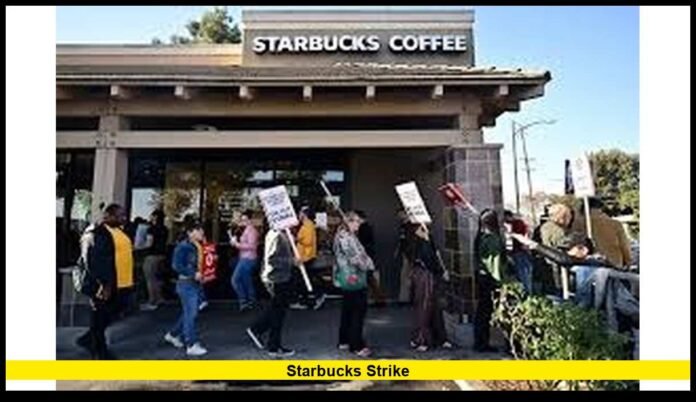
The starbucks strike has grown into one of the most significant labor actions in the modern U.S. service industry. Unionized baristas from dozens of Starbucks stores across the country have walked off the job, demanding a fair contract, stronger staffing support, predictable scheduling, improved safety standards, and protection against unfair labor practices. What began as a series of isolated store-level actions has evolved into a coordinated national movement, reshaping public conversations around worker rights, corporate accountability, and the changing expectations of service-industry employees.
Hundreds of baristas from more than 40 cities have joined the strike so far. Organizers emphasize that this is not a symbolic protest—it’s a firm call for Starbucks leadership to return to contract negotiations and establish the company’s first-ever union contract with its frontline workers. As the strike continues, it is gaining traction on social media, drawing attention from elected officials, and inspiring workers in other industries to reconsider their own workplace standards.
Why the Strike Is Happening Now
The timing of the starbucks strike is deliberate. Workers say conditions inside stores have become increasingly stressful, with mounting expectations but insufficient staffing or support. Several factors have pushed employees to take collective action:
• Years of delays in contract negotiations
Many Starbucks stores voted to unionize years ago, yet workers say that meaningful progress toward a binding contract has been slow or nonexistent. This lack of movement has created growing frustration.
• Increasing staffing shortages
Baristas report frequent understaffing during busy hours, creating overwhelming workloads, long lines, and burnout. Workers say they want clear minimum staffing requirements included in their contract.
• Inconsistent scheduling and reduced hours
Many employees say they are struggling with unpredictable schedules. Some are given too few hours to maintain benefits, while others say they’re stretched thin across shifts with little predictability.
• Concerns about employee safety and respect
Incidents involving unruly customers, late-night staffing problems, and inconsistent enforcement of store policies have raised safety worries. Workers want stronger protections and clearer procedures.
• Wages not keeping pace with rising living costs
While starting wages have increased over the years, baristas argue that they still fall short in many cities where rent and daily expenses continue to climb.
These combined issues form the backbone of the strike and explain why so many stores are continuing to join the movement. Workers say that without real pressure, progress toward equitable working conditions will remain stalled.
A Closer Look at the Workers’ Demands
The baristas participating in the strike have outlined several key priorities they want addressed through their first-ever nationwide contract:
1. Predictable scheduling
Workers want schedules posted with enough notice—along with guaranteed minimum weekly hours—to ensure stability in their income and access to benefits.
2. Competitive and transparent wage increases
Unionized baristas are seeking structured wage increases tied to experience, location, and inflation, not occasional raises that vary across markets.
3. Clear staffing expectations
Employees want written staffing levels that prevent stores from operating with too few workers during high-volume periods.
4. Stronger safety protocols
Workers are asking for improved systems to handle customer issues, secure late-night shifts, and address store-specific risks.
5. Protection from retaliation
Baristas want stronger language safeguarding them from disciplinary actions they believe result from union involvement or speaking up about workplace concerns.
6. A fair and enforceable grievance process
A contract with a clear resolution system would allow workers to raise concerns without fear or confusion.
To striking baristas, these demands are not unreasonable. They argue that Starbucks has built a reputation for valuing its employees, and a fair contract would reinforce—rather than contradict—that image.
How Starbucks Is Responding
While workers continue to strike, the company has maintained that it offers competitive pay, strong benefits, and room for advancement. Starbucks has stated publicly that it remains open to negotiation and is willing to continue discussions with union representatives. However, many baristas say progress has been too slow, adding to their urgency.
The company also notes that the vast majority of its U.S. stores are not unionized and that most remain open with limited disruptions. Still, the symbolic weight of the strike is undeniable. The brand faces heightened scrutiny as customers, labor advocates, and local communities look for updates on how management addresses workers’ concerns.
How the Strike Is Affecting Stores and Customers
The ongoing strike has had varying effects across the United States. Some stores participating in the walkout have closed temporarily, while others remain open but with significantly reduced staffing. Customers in several cities have noticed:
- Longer lines
- Slower service
- Shorter operating hours
- Reduced menu availability
Supporters of the strike have joined picket lines, brought food and signs to workers, and promoted the movement online. Others—including some frequent Starbucks customers—have expressed frustration with disruptions but say they understand the workers’ reasons.
This range of reactions reflects the national divide over labor issues, though public support for unionized workers has grown substantially in recent years.
Why the Starbucks Strike Matters Nationally
The starbucks strike is significant not only because of the size and visibility of Starbucks as a company but also because it highlights a wider shift happening across the U.S. workforce.
1. A new era of service-industry activism
Younger workers across the service and retail industries are organizing at levels not seen in decades. Many say they are unwilling to accept low wages, unpredictable schedules, or disrespect from employers.
2. Inspiration for other companies
If Starbucks workers successfully secure a robust union contract, it may influence employees at other chains—from fast food to retail—to start or expand their own union efforts.
3. Corporate accountability conversations are shifting
Consumers increasingly want to know how companies treat their employees. The strike puts Starbucks squarely in the public eye.
4. A test of modern union power
This movement will demonstrate whether unions can grow in sectors historically difficult to organize—and whether large corporations will negotiate seriously with worker-led unions.
5. Labor momentum in the U.S. is accelerating
Teachers, nurses, auto workers, and delivery drivers have all staged large strikes in recent years. The Starbucks strike fits into this national pattern and pushes the conversation further.
What Happens Next
While the strike continues, several key developments are worth watching:
• Will Starbucks return to the bargaining table?
A breakthrough in negotiations could ease tensions and end the strike.
• Will more stores join the walkout?
Every new participating store increases pressure on the company.
• How long will the strike last?
Some workers say they’re prepared for an extended fight if needed.
• How will customers respond?
Public pressure—positive or negative—could influence negotiations.
• Will the strike affect Starbucks’ holiday performance?
The company depends heavily on holiday-season sales, giving workers leverage.
Right now, both sides appear firm in their positions. The coming weeks will determine whether this conflict grows, stabilizes, or moves toward resolution.
As the strike continues to evolve, it has become a defining moment for Starbucks workers and a powerful symbol of the modern U.S. labor movement. If you’re following this story, feel free to share your thoughts below and keep the discussion going.