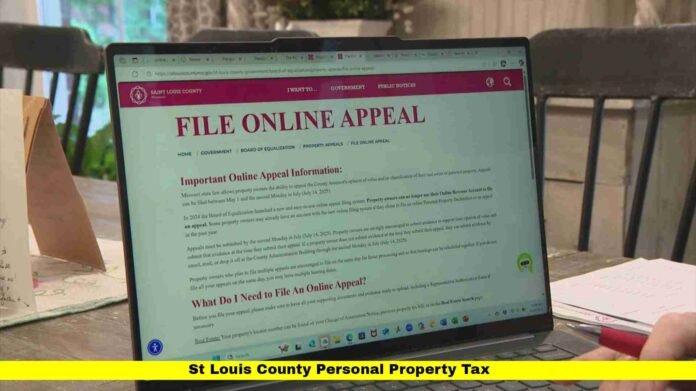

The st louis county personal property tax affects every resident who owns vehicles, boats, trailers, or other taxable assets within the county. As 2025 progresses, thousands of property owners are preparing to meet deadlines, review their assessments, and understand how this annual obligation impacts their finances. Staying informed about updates, valuation methods, and exemptions can help residents avoid penalties and ensure fair taxation.
Key Points Summary
- Declaration deadline: June 1, 2025, for all personal property in St. Louis County.
- Taxable property includes vehicles, boats, trailers, RVs, and other tangible items not classified as real estate.
- Tax calculation is based on a percentage of market value and local levy rates.
- Payment deadline typically falls on December 31 each year.
- Avoid penalties by filing accurate and timely declarations.
- Rates vary depending on municipality and local taxing districts.
Understanding the St Louis County Personal Property Tax
The st louis county personal property tax is an annual levy on tangible property that is movable and not permanently attached to land. While real estate taxes apply to homes and land, personal property taxes target assets like cars, trucks, boats, and trailers. Every resident who owns such property as of January 1 is required to declare it to the county assessor for valuation.
These taxes are crucial for funding local government services such as schools, public safety, fire departments, and community projects. The amount you owe depends on the assessed value of your property and the tax rate applicable to your district.
How the Personal Property Tax Works
Personal property taxes in St. Louis County are assessed annually. The process begins with a declaration you must file each spring, listing all taxable property you owned on January 1 of that year. The county assessor then determines the property’s market value, applies an assessment rate, and calculates the tax based on the local levy rate.
In Missouri, vehicles are generally assessed at 33⅓ % of their market value. Once that value is established, the local tax rate—expressed per $100 of assessed value—is applied to calculate the total owed.
For example:
- A vehicle with a market value of $30,000 would have an assessed value of $10,000.
- If the local tax rate is $6.00 per $100 assessed value, the total tax due would be $600.
The tax rate itself can vary significantly depending on where in the county you live, as different cities, school districts, and fire districts have their own levies.
Declaration and Payment Deadlines
The personal property declaration deadline for St. Louis County residents in 2025 is June 1. Property owners must submit their declaration forms to the county assessor’s office by this date to avoid late fees and penalties.
After the assessor determines the value of your property, tax bills are sent out later in the year, typically during the fall. The payment deadline is usually December 31, and late payments may incur interest or penalties.
Missing either of these deadlines can result in estimated valuations that are often higher than the actual value of your property, leading to inflated tax bills.
How Property Value Is Determined
The value of your personal property is assessed based on data sources such as market trends, vehicle depreciation schedules, and standardized pricing guides. For vehicles, the county typically uses the NADA trade-in value to determine fair market worth.
Each year, the assessor updates these values to reflect the changing market. When vehicle prices increase, as they have in recent years, taxpayers often see higher assessed values and consequently larger tax bills—even if they own the same car as the previous year.
Recent Developments for 2025
In 2025, St. Louis County is focusing on streamlining its personal property declaration system to make it more accessible online. Residents can now file declarations electronically, reducing paperwork and improving processing times.
Additionally, local taxing districts may adjust their levy rates based on school budgets, infrastructure needs, or public safety expenses. Because these rates directly affect your final bill, reviewing your district’s current tax rate before filing is essential.
Some municipalities have also introduced automated reminders and digital notifications to help residents meet deadlines more efficiently.
Penalties for Late Filing or Payment
Failing to file a personal property declaration or missing the payment deadline can have financial consequences. Common penalties include:
- A 10 % penalty for late declaration submission.
- Additional interest or late fees for overdue payments.
- Potential denial of vehicle registration renewal if taxes remain unpaid.
In some cases, the assessor may estimate your property’s value if you do not file, which could result in a higher tax assessment than necessary.
How to File Your Declaration
Residents can file their 2025 personal property declarations by following these steps:
- Access the Online Portal: Visit the St. Louis County Assessor’s website and log into the personal property declaration portal.
- List All Taxable Items: Include all vehicles, boats, trailers, or other tangible items owned on January 1.
- Submit Before June 1: Ensure your declaration is submitted on or before the deadline.
- Keep Records: Save copies of your declaration confirmation and any communication from the assessor’s office.
- Pay Your Bill Promptly: Once your tax bill arrives later in the year, pay the full amount before the due date to avoid penalties.
How to Appeal or Dispute an Assessment
If you believe your property has been overvalued, you have the right to appeal the assessment. The appeal process typically involves:
- Reviewing your assessment notice for accuracy.
- Providing documentation of your property’s current market value, such as appraisal reports or comparable sales.
- Filing a formal appeal with the St. Louis County Board of Equalization within the specified timeframe.
Appealing an inflated assessment can significantly reduce your tax burden if successful.
Tips to Reduce Your Personal Property Tax Bill
While you cannot completely avoid the st louis county personal property tax, you can take steps to manage or lower your liability:
- File accurately and on time: This ensures fair valuation and prevents penalties.
- Remove sold or disposed assets: If you sold a car or boat before January 1, make sure it’s no longer listed on your declaration.
- Maintain records of depreciation: Older vehicles typically have lower market values, which means lower taxes.
- Check your local district’s rates: Knowing how local levies impact your total bill can help you budget or prepare for potential changes.
- Consider appealing overvalued assets: If your assessment is much higher than the current market value, an appeal could save you money.
Why Personal Property Tax Is Important
Personal property taxes play a vital role in maintaining public infrastructure and services throughout St. Louis County. The revenue funds:
- Local schools and libraries.
- Police, fire, and emergency services.
- Road maintenance and community projects.
These funds directly support residents, making timely and accurate tax payments crucial to the county’s financial health.
Differences Between Real and Personal Property Taxes
While both real and personal property taxes are forms of ad valorem taxes (based on value), they differ in key ways:
| Feature | Real Property Tax | Personal Property Tax |
|---|---|---|
| Applies To | Land, buildings, and homes | Vehicles, boats, trailers, and movable assets |
| Assessment Cycle | Every two years (odd years) | Annually |
| Ownership Date | Based on property as of January 1 | Based on property owned January 1 |
| Payment Deadline | Typically December 31 | Typically December 31 |
| Appeals | Board of Equalization | Board of Equalization |
Understanding both types ensures you remain compliant and can budget effectively for all local tax obligations.
What Residents Can Expect Going Forward
Looking ahead, St. Louis County officials are continuing to modernize the personal property tax process. In 2026 and beyond, residents can expect:
- Expanded online payment and filing options.
- Faster processing of assessment appeals.
- Greater transparency in how tax rates are set across municipalities.
- Potential adjustments to assessment formulas as vehicle markets stabilize.
As the economy changes and vehicle values fluctuate, personal property tax bills may vary from year to year. Keeping informed and proactive ensures residents stay ahead of potential increases.
Practical Example of Personal Property Tax Calculation
Imagine you own the following items on January 1, 2025:
- A 2022 sedan valued at $25,000
- A fishing boat valued at $10,000
- A trailer valued at $5,000
The total market value is $40,000.
Assessed at 33⅓ %, the assessed value equals $13,333.
If your district’s levy rate is $5.50 per $100 assessed value:
Tax Due = ($13,333 ÷ 100) × 5.50 = $733.32
That figure represents your total 2025 personal property tax liability for all listed items.
Final Thoughts
For every resident owning vehicles or movable property, the st louis county personal property tax remains a critical part of annual financial planning. By understanding deadlines, keeping records, and staying aware of changes in assessed values, residents can protect themselves from penalties and ensure they pay a fair share.
Engage with local tax offices, verify assessments early, and make use of online filing tools to simplify the process. Staying informed today helps prevent headaches tomorrow.
FAQs
Q1: When is the St. Louis County personal property tax declaration due?
The 2025 declaration deadline is June 1, 2025. Late submissions can incur penalties or inaccurate assessments.
Q2: Which items are taxable under the personal property tax?
Taxable items include vehicles, boats, trailers, campers, RVs, and other tangible property owned on January 1 each year.
Q3: What happens if I don’t pay my personal property tax on time?
Failure to pay by the due date (usually December 31) can result in interest charges, penalties, and even denial of vehicle registration renewal.
Disclaimer
This article provides general information about the St. Louis County personal property tax for 2025. It is not legal or financial advice. Property owners should contact the St. Louis County Assessor’s Office or a licensed tax professional for personalized assistance.