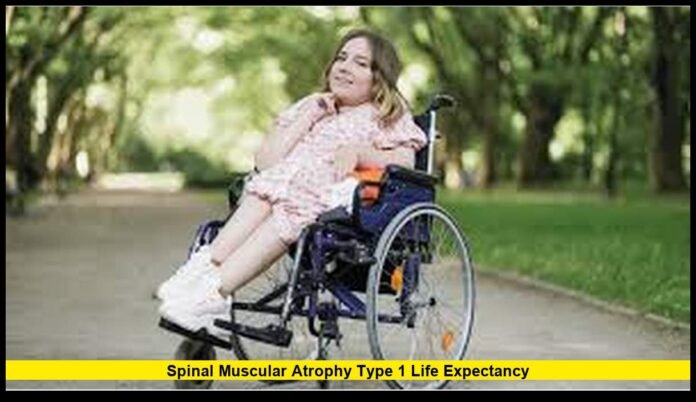

Spinal muscular atrophy type 1 life expectancy has undergone a profound transformation in the United States, reshaping expectations for a condition once associated with extremely short survival. Advances in early diagnosis, treatment access, and coordinated care have shifted outcomes in ways that were not possible even a decade ago. For families facing this diagnosis today, the conversation around survival is no longer limited to infancy.
Spinal muscular atrophy type 1, commonly known as SMA type 1, is the most severe form of spinal muscular atrophy. It appears early in life, usually within the first six months, and affects the muscles responsible for movement, breathing, and swallowing. Historically, these symptoms progressed rapidly, leaving little room for long-term survival. That reality has changed.
Understanding SMA Type 1 at Its Core
SMA type 1 is a genetic neuromuscular condition caused by the absence or dysfunction of the SMN1 gene. This gene is essential for producing survival motor neuron protein, which keeps motor neurons alive and functioning. Without enough of this protein, motor neurons deteriorate, leading to muscle weakness throughout the body.
At birth, many infants with SMA type 1 appear healthy. Over time, parents may notice reduced movement, floppy limbs, weak crying, or difficulty feeding. These early signs often progress quickly, especially without intervention. The muscles that support breathing weaken, making respiratory complications the most serious threat to survival.
This form of SMA accounts for the majority of severe SMA diagnoses and has long been considered the most life-limiting.
How Life Expectancy Was Defined in the Past
For decades, spinal muscular atrophy type 1 life expectancy was measured in months rather than years. Most infants did not survive beyond their second birthday. Respiratory failure, pneumonia, and complications related to swallowing were the leading causes of death.
Medical care focused primarily on comfort. While ventilatory support and feeding assistance could extend survival for some children, these measures did not stop the disease from progressing. Families were often advised to prepare for a very limited lifespan.
This historical experience shaped both public awareness and clinical expectations around SMA type 1.
A Shift Driven by Medical Innovation
The outlook for SMA type 1 began to change with the development of therapies designed to increase levels of survival motor neuron protein. These treatments target the underlying cause of the disease rather than only managing symptoms.
With treatment, motor neuron loss slows significantly. In some cases, disease progression stabilizes for extended periods. This shift has directly influenced survival rates and overall health outcomes.
As a result, SMA type 1 is increasingly managed as a long-term condition rather than an immediate terminal diagnosis.
The Importance of Early Diagnosis
Early identification plays a decisive role in determining outcomes. Motor neuron damage begins before symptoms become visible, and once neurons are lost, they cannot be restored. The sooner treatment starts, the greater the chance of preserving muscle function.
Newborn screening programs across the United States have made early diagnosis far more common. Many infants are now identified within days of birth, sometimes before any symptoms appear. This early window allows treatment to begin before significant damage occurs.
Children treated early often show better strength, improved breathing capacity, and greater overall stability.
Treatment and Its Impact on Survival
Modern treatment approaches aim to increase functional SMN protein levels throughout the body. While these therapies do not eliminate SMA type 1, they significantly alter its trajectory.
Children receiving treatment are living longer and experiencing fewer life-threatening complications. Many require less invasive respiratory support and experience fewer hospitalizations related to infections.
These improvements have contributed to a steady rise in average survival, changing how clinicians and families discuss long-term expectations.
Comparing Treated and Untreated Outcomes
The difference between treated and untreated SMA type 1 is striking. Untreated infants historically faced a median survival of less than two years. Many experienced rapid decline within the first year of life.
In contrast, treated children now commonly survive well beyond early childhood. Survival into school age is increasingly reported, and some children continue to live into adolescence.
While outcomes vary, the overall trend clearly shows longer life expectancy and improved stability for those who receive timely care.
Respiratory Care as a Lifesaving Factor
Breathing support remains one of the most critical elements influencing survival. Weak respiratory muscles increase vulnerability to infections and breathing failure.
Modern care focuses on proactive respiratory management. This includes noninvasive ventilation, airway clearance techniques, and regular monitoring. These strategies help prevent complications before they become emergencies.
Effective respiratory care works alongside treatment to support longer survival and better day-to-day health.
Nutrition and Growth Support
Feeding difficulties are common in SMA type 1 due to weakened swallowing muscles. Poor nutrition can lead to reduced energy, impaired immune function, and slower growth.
Nutritional planning often includes specialized feeding methods to ensure adequate intake. When needed, feeding tubes provide a safe and reliable way to maintain nutrition.
Proper nutrition supports overall health and helps children better tolerate treatment and respiratory challenges.
Motor Development and Physical Support
Although SMA type 1 affects muscle strength, physical and occupational therapy remain essential parts of care. Therapy helps preserve joint mobility, prevent stiffness, and support functional movement.
Children receiving treatment may achieve developmental milestones once thought impossible for this condition. Even small improvements in movement can reduce complications related to immobility.
Maintaining physical comfort and flexibility contributes indirectly to longer life expectancy.
Quality of Life With Extended Survival
As survival improves, attention has shifted toward quality of life. Many children with SMA type 1 now attend school, communicate effectively, and participate in family and social activities with appropriate support.
Assistive technologies, mobility devices, and communication tools play a central role. These resources allow children to engage with the world around them despite physical limitations.
Emotional well-being and social connection have become central goals alongside medical stability.
Variability in Individual Outcomes
Despite overall progress, spinal muscular atrophy type 1 life expectancy still varies widely. Factors such as timing of diagnosis, severity at onset, response to treatment, and access to specialized care all influence outcomes.
Some children experience significant motor gains and stable respiratory function. Others continue to face frequent medical challenges despite treatment.
Personalized care plans and regular reassessment are essential to address these differences.
Long-Term Care Considerations
As children with SMA type 1 live longer, long-term planning has become increasingly important. Medical teams now focus on managing orthopedic health, respiratory endurance, and nutritional needs over time.
Transitions into school systems and community settings require coordination and advocacy. Families often work closely with educators and care providers to support inclusion and accessibility.
Longer survival brings new responsibilities but also new opportunities.
Emotional Impact on Families
Extended life expectancy has changed the emotional landscape for families. Instead of preparing for early loss, many parents now plan for years of caregiving, education, and future transitions.
This shift can be both hopeful and overwhelming. Support networks, counseling services, and community connections play a vital role in helping families adapt.
Long-term survival has redefined what it means to raise a child with SMA type 1.
The Evolving Outlook
Current evidence makes it clear that spinal muscular atrophy type 1 life expectancy is no longer fixed. Survival has improved dramatically, and outcomes continue to evolve as treatment strategies advance.
While challenges remain, the overall direction points toward longer lives and more stable health. Continued progress in early diagnosis and care coordination is expected to further improve outcomes.
SMA type 1 is now understood as a condition with a future, not just a diagnosis with limits.
Redefining Expectations
Children diagnosed with SMA type 1 today face a fundamentally different outlook than those diagnosed in previous generations. Survival, growth, and participation in daily life are now realistic goals for many families.
This transformation reflects the power of medical innovation combined with early detection and comprehensive care.
The story of SMA type 1 continues to change, offering renewed hope grounded in real-world progress.
Spinal muscular atrophy type 1 life expectancy continues to evolve, and ongoing advances are reshaping what families can expect—share your perspective or stay connected for future developments.