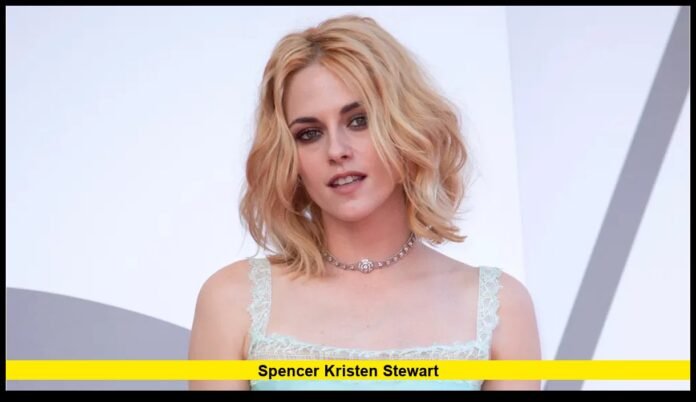

Spencer Kristen Stewart remains one of the most defining collaborations in contemporary cinema. When the psychological drama Spencer premiered in 2021, it did more than revive public fascination with Princess Diana—it completely transformed how audiences, critics, and the film industry perceived Kristen Stewart. Nearly four years later, her portrayal continues to be celebrated as a masterclass in emotional honesty and artistic courage.
The Moment That Redefined Kristen Stewart’s Career
By the time Spencer debuted, Kristen Stewart had already spent more than two decades in front of the camera. Yet, this film marked a turning point unlike any other. Directed by Chilean filmmaker Pablo Larraín, Spencer focused on a single, emotionally charged weekend in the early 1990s when Princess Diana decided to separate from Prince Charles while spending Christmas at the royal family’s Sandringham Estate.
The story wasn’t told as a traditional biography. Instead, it explored Diana’s inner turmoil, isolation, and the quiet strength it took to choose freedom over royal duty. Stewart’s performance was raw, delicate, and deeply introspective. Her ability to express Diana’s vulnerability through subtle gestures and restrained emotion made audiences believe they were witnessing the princess’s private struggle unfold in real time.
A Landmark Performance
When Spencer was released in November 2021 by Neon and Topic Studios, it immediately became one of the most talked-about films of the year. Kristen Stewart’s portrayal was described as transformative, fearless, and hauntingly real. Critics and audiences alike were struck by how completely she embodied Diana’s essence without relying on imitation or exaggeration.
Her dedication to authenticity was evident in every detail. She worked closely with dialect coaches to perfect Diana’s distinctive voice and speech rhythm. She also immersed herself in the princess’s public appearances, photographs, and interviews to understand not just how Diana looked, but how she felt.
The result was a portrait of a woman caught between duty and identity—a depiction that earned Stewart her first Academy Award nomination for Best Actress. She also received nominations from the Golden Globes, BAFTAs, and the Critics’ Choice Awards, confirming her evolution into one of the most respected performers of her generation.
Building Diana’s World on Screen
The film’s production design played an essential role in supporting Stewart’s performance. Shot primarily in Germany and the United Kingdom, the team recreated the grandeur of royal life with meticulous attention to historical accuracy. Cinematographer Claire Mathon, known for her naturalistic approach to lighting, used soft tones and cold hues to convey the suffocating atmosphere of Diana’s surroundings.
Composer Jonny Greenwood contributed a score that blended classical strings with jazz-inspired dissonance, reflecting Diana’s inner conflict. The music often swelled and fractured at key emotional moments, underscoring Stewart’s shifting expressions of control and despair.
The result was a cinematic experience that felt both dreamlike and painfully real. Every frame carried emotional weight, turning what could have been a conventional biopic into an intimate exploration of identity and self-liberation.
A Career Reinvented
For Kristen Stewart, Spencer represented more than just another role—it marked a complete redefinition of her artistic image. For years, audiences had associated her with the global fame of the Twilight saga. After that, she took on a series of independent projects that earned her critical respect but limited mainstream exposure.
Spencer changed everything. It reminded both Hollywood and the public of her extraordinary range and depth as an actress. Her ability to portray inner conflict without relying on overt drama demonstrated maturity and control. Industry peers praised her courage for taking on such an iconic figure and delivering a performance that stood apart from all previous portrayals of Princess Diana.
Since then, Stewart has used her influence to champion creativity and inclusivity within Hollywood. In 2025, she continues to take bold steps as both an actress and filmmaker. Her production company, Nevermind Pictures, is developing original films that highlight emerging voices and unconventional storytelling. She has also completed her directorial debut, currently in post-production, and has announced plans to collaborate with A24 on a futuristic thriller set for release in 2026.
How “Spencer” Connected With Audiences
Spencer resonated deeply with U.S. audiences for several reasons. It humanized a woman long seen through the lens of media spectacle and royal protocol. It also spoke to universal themes of personal freedom, mental health, and the cost of public expectation—issues that remain relevant across generations.
The film grossed more than $7 million domestically, a strong performance for an independent drama released during a challenging theatrical year. On streaming platforms, it reached millions more viewers and earned a devoted following among younger audiences who discovered Diana’s story through Stewart’s interpretation.
Critics from major publications highlighted Stewart’s ability to portray fragility without sentimentality. Her version of Diana wasn’t a tragic figure defined by victimhood; she was a woman struggling for autonomy in a world that refused to let her breathe. That perspective struck a powerful chord with American viewers, who admired both Stewart’s performance and the film’s emotional honesty.
Recognition Across the Industry
The accolades Spencer received were a testament to its quality and impact. Below is a summary of the film’s most significant honors during the 2021–2022 awards season:
| Award Ceremony | Category | Outcome |
|---|---|---|
| Academy Awards 2022 | Best Actress – Kristen Stewart | Nominated |
| Golden Globe Awards 2022 | Best Actress in a Motion Picture – Drama | Nominated |
| BAFTA Awards 2022 | Best Leading Actress | Nominated |
| Critics’ Choice Awards | Best Actress | Nominated |
| National Society of Film Critics | Best Actress | Winner |
These recognitions not only celebrated Stewart’s individual achievement but also reaffirmed Spencer’s position as one of the decade’s most significant character studies.
The Lasting Cultural Influence
In 2025, the cultural conversation surrounding Spencer Kristen Stewart remains strong. The film continues to be featured in film school curricula and retrospectives about modern acting. Its portrayal of mental health, individuality, and emotional authenticity has influenced both filmmakers and performers exploring biographical storytelling.
Since its release, Spencer has often been cited as a catalyst for a broader trend in Hollywood—stories about historical women told from a psychological and empathetic perspective rather than a purely factual or sensationalized one. Productions focusing on the inner lives of public figures, such as Priscilla and Blonde, followed in its wake, though few achieved the same critical consensus.
Stewart’s nuanced performance also contributed to renewed interest in Princess Diana’s life and humanitarian legacy among younger audiences who didn’t grow up during her time. Social media platforms remain active with discussions about how the film shaped public understanding of fame, isolation, and personal strength.
Stewart’s Continued Artistic Evolution
Beyond the legacy of Spencer, Stewart’s recent projects demonstrate her commitment to creative diversity. She has explored acting, writing, and directing with equal enthusiasm. Her upcoming directorial feature, developed under Nevermind Pictures, is expected to debut at a major international film festival in 2026.
In addition to filmmaking, she continues to support independent artists and emerging voices. She frequently collaborates with non-profit organizations promoting artistic freedom and mental health awareness, often emphasizing how storytelling can create empathy and connection.
As of late 2025, Stewart remains one of the most versatile and outspoken figures in American entertainment. Her ability to transition between major studio productions and independent art films demonstrates a rare balance between commercial success and artistic integrity.
Why “Spencer” Endures
Part of the reason Spencer endures lies in its refusal to conform to typical biopic conventions. Instead of offering a chronological recounting of Diana’s life, it focused on emotional truth. Stewart’s portrayal gave audiences a glimpse into the private world behind the public image—where every gesture, glance, and word carried unspoken meaning.
The film’s intimate style made it both timeless and deeply human. Even viewers unfamiliar with royal history found themselves relating to Diana’s sense of entrapment and yearning for authenticity. Through Stewart’s eyes, she became a symbol of resilience and quiet rebellion, not just a historical icon.
In the years since its release, Spencer has continued to inspire filmmakers, critics, and viewers who value artistic courage. It represents the kind of cinema that reminds audiences why acting can still move hearts and challenge perceptions.
Conclusion
Four years later, Spencer Kristen Stewart stands as a landmark moment in film history. The collaboration between Pablo Larraín’s direction and Kristen Stewart’s fearless performance created a lasting portrait of emotional truth. Stewart’s work not only redefined her own career but also elevated how Hollywood approaches biographical storytelling.
Her dedication to authenticity and her willingness to explore the complexities of identity ensured that Spencer would remain relevant long after awards season ended. As she continues to build her legacy as an actress, filmmaker, and creative visionary, Kristen Stewart’s work in Spencer will always represent the moment she transformed from a global star into a cinematic icon.
What did you think of Kristen Stewart’s performance in Spencer? Share your thoughts below and join the conversation.