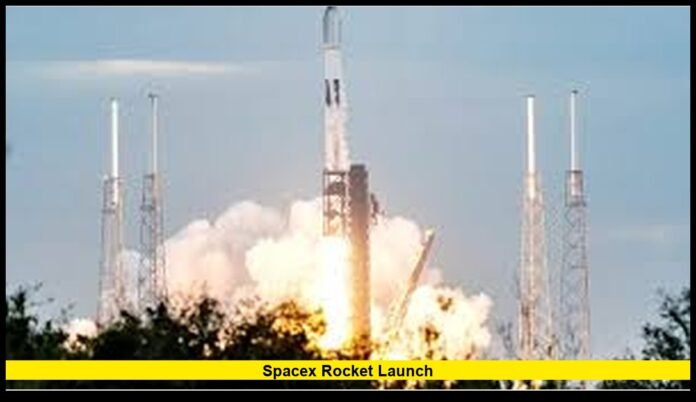

SpaceX rocket launch activity in 2026 is moving at an unprecedented pace, with frequent Falcon 9 missions and continued Starship testing shaping the future of U.S. space exploration. The company is maintaining a rapid launch schedule while pushing forward with next-generation rocket technology.
SpaceX Launch Activity Remains Strong in 2026
SpaceX continues to lead the global launch industry with a steady stream of missions from U.S. launch sites. The company’s reusable rocket technology allows it to launch more often than any other provider.
So far in 2026:
- Falcon 9 launches are happening regularly
- Starlink missions dominate the manifest
- NASA crew and cargo missions continue
- Starship testing remains ongoing in Texas
This high-frequency launch model has become a defining feature of SpaceX operations.
Falcon 9 Continues to Drive Every SpaceX Rocket Launch
Falcon 9 remains the backbone of nearly every SpaceX rocket launch today. Its reliability and reusability have made it essential for both commercial and government missions.
What Makes Falcon 9 So Effective
- Reusable first-stage booster
- Capable of carrying crew and cargo
- Proven track record across hundreds of launches
- Fast turnaround between missions
The rocket supports a wide range of payloads, from satellites to astronauts traveling to the International Space Station.
Recent Mission Focus
Most recent launches have centered on deploying Starlink satellites, helping expand internet access across the United States and beyond.
Starship Development Moves Forward in Texas
While Falcon 9 handles current missions, Starship is designed for future deep-space travel.
What Starship Is Built For
- Human missions to the Moon
- Long-term plans for Mars exploration
- Transport of large cargo loads
2026 Progress So Far
SpaceX continues testing Starship prototypes at its Texas facility. Engineers are improving flight stability, re-entry performance, and landing systems.
Each test flight provides new data that helps refine the system. The goal is to achieve full reusability for both stages of the rocket.
Starlink Missions Fuel the Launch Boom
A major reason behind the increase in SpaceX rocket launch frequency is the expansion of the Starlink satellite network.
Why Starlink Matters
- Provides broadband internet across the U.S.
- Expands connectivity in rural and remote areas
- Requires continuous satellite deployment
Thousands of satellites are already in orbit, and more are launched regularly to strengthen coverage and replace older units.
Launch Locations Supporting U.S. Operations
SpaceX currently operates from multiple U.S. launch sites, allowing flexibility and higher launch frequency.
Primary Locations
- Kennedy Space Center, Florida
- Cape Canaveral Space Force Station, Florida
- Vandenberg Space Force Base, California
These locations support different types of missions, including polar and equatorial orbits.
Reusable Rocket Technology Keeps Costs Low
Reusability remains one of SpaceX’s biggest advantages.
How It Works
After launch, the Falcon 9 first stage returns to Earth and lands vertically. It can then be refurbished and used again.
Key Benefits
- Lower launch costs
- Faster mission turnaround
- Reduced manufacturing demand
Some boosters have completed multiple flights, proving the durability of the system.
NASA Missions Continue With SpaceX Support
SpaceX plays a critical role in supporting NASA operations.
Ongoing Collaboration
- Crew Dragon missions transport astronauts
- Cargo resupply missions support the ISS
- Starship is planned for future lunar missions
This partnership strengthens U.S. capabilities in both low-Earth orbit and future deep-space missions.
Challenges Still Facing SpaceX
Despite strong progress, challenges remain.
Starship Testing
- Complex engineering requirements
- Ongoing refinements after test flights
- Need for consistent landing success
Regulatory Factors
- Environmental approvals
- Safety reviews
- Airspace coordination
These factors can affect launch timelines, especially for large-scale systems like Starship.
What to Expect Next From SpaceX Rocket Launch Plans
SpaceX shows no signs of slowing down in 2026.
Upcoming Focus
- Continued Falcon 9 launch cadence
- More Starship test flights
- Expansion of Starlink coverage
- Preparation for lunar missions
The company aims to make space travel more efficient while preparing for future missions beyond Earth orbit.
Why SpaceX Launch Activity Matters
SpaceX is a major driver of innovation in the U.S. space industry.
Impact on the United States
- Supports national security missions
- Expands commercial space opportunities
- Encourages technological advancement
- Strengthens global leadership in space
Its rapid launch pace has set a new standard for the industry.
Growing Public Interest in Rocket Launches
Each SpaceX rocket launch draws global attention, with millions watching live streams online.
Why Audiences Are Engaged
- Dramatic rocket landings
- Frequent mission updates
- Historic milestones in space travel
This level of public interest highlights the growing excitement around space exploration.
Conclusion
SpaceX continues to reshape the future of spaceflight through frequent launches, reusable rockets, and ambitious long-term goals. Falcon 9 remains the workhorse of current missions, while Starship development signals the next major leap.
The momentum behind SpaceX rocket launch operations in 2026 reflects a new era of innovation, speed, and possibility in the U.S. space industry.
What are your thoughts on SpaceX’s rapid launch schedule this year? Share your opinion and keep following for the latest updates.