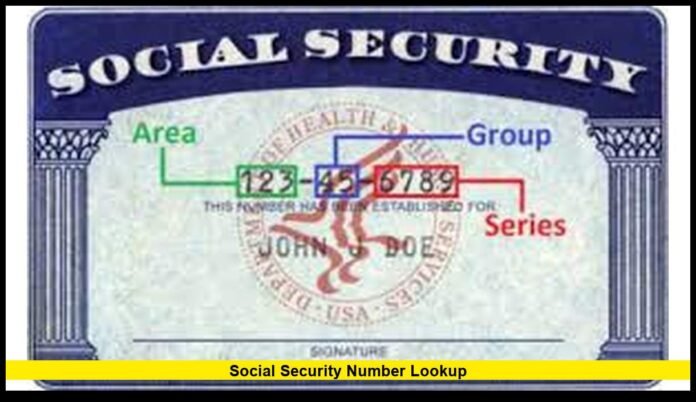

Understanding social security number lookup tools and identity verification rules has become increasingly important in 2026. As federal systems modernize and fraud prevention measures expand, Americans are seeing stricter identity checks, stronger online protections, and updated verification processes tied to their Social Security records. Whether you’re an individual protecting your identity or an employer verifying payroll data, knowing how these systems work can help you stay secure and compliant.
Below is a detailed look at confirmed developments, current procedures, and practical steps you can take today.
Why Social Security Numbers Matter More Than Ever
A Social Security number (SSN) is one of the most important personal identifiers issued in the United States. Since 1936, the Social Security Administration (SSA) has assigned SSNs to track workers’ lifetime earnings, determine eligibility for retirement, disability, and survivor benefits, and verify identity for a wide range of government services.
Every SSN is linked to an official federal record that typically includes key identifying information, such as an individual’s full legal name, date of birth, and other records used to administer Social Security programs. These records serve as the foundation for benefit eligibility, wage reporting, tax administration, and employment verification throughout the country.
Today, SSNs are used far beyond Social Security benefits. Financial institutions, employers, healthcare providers, and government agencies rely on them to confirm identity, process tax documents, report earnings, and help prevent fraud. Because an SSN is tied to so many critical services, maintaining accurate records and protecting this information from identity theft are more important than ever.
What Is a Social Security Number Lookup?
A Social Security number (SSN) lookup generally refers to an authorized process used to verify that a person’s name and Social Security number match the records maintained by the Social Security Administration (SSA). It is not a public search that allows anyone to retrieve another person’s Social Security information. Instead, SSN verification is available only in specific, lawful situations and through approved government systems.
There are two primary types of Social Security number lookup processes:
Employer Verification
Employers can use authorized SSA verification services to confirm that an employee’s name and Social Security number match official records. This helps ensure accurate wage reporting, reduces payroll errors, supports tax compliance, and minimizes issues that could delay future Social Security benefits.
Individual Account Access
Individuals can verify and review their own Social Security information by signing in to a secure online my Social Security account. Through the portal, users can view their earnings history, check benefit estimates, manage certain account information, and confirm that their personal records are accurate.
Beware of Unofficial SSN Lookup Services
Many third-party websites claim to offer “SSN lookup” or “Social Security number search” services. These are not official government verification tools and cannot provide legitimate access to SSA records. Americans should avoid any website or service that requests their Social Security number outside trusted government or authorized employer verification channels, as doing so may increase the risk of identity theft, fraud, or scams. When you need to verify Social Security information, always use official SSA services or other authorized government resources.
Stronger Identity Verification Requirements in 2026
In 2026, the Social Security Administration (SSA) continues to strengthen identity verification procedures to better protect beneficiaries from fraud, identity theft, and unauthorized access to Social Security accounts. As more services are offered online, the agency has implemented additional security measures to ensure that only authorized individuals can make changes to their records or benefits.
Several key identity protection enhancements include:
- Expanded verification for direct deposit changes: Individuals making changes to their direct deposit information may be required to complete additional identity verification steps before updates are processed, helping reduce the risk of benefit payment fraud.
- Stronger authentication for online accounts: Certain activities within a my Social Security account now require enhanced identity proofing or multi-step authentication to confirm the account holder’s identity before sensitive information can be accessed or modified.
- More in-person verification options: For individuals who cannot successfully complete online identity verification, the SSA continues to provide in-person identity proofing at local Social Security offices, ensuring access to services while maintaining strong security standards.
These updated safeguards are part of the SSA’s ongoing efforts to protect personal information, secure benefit payments, and reduce fraudulent activity. Beneficiaries are encouraged to keep their contact information current, enable available account security features, and use only official SSA channels when accessing or updating their Social Security records.
Shift to Fully Digital Benefit Payments
The Social Security Administration (SSA) has transitioned to electronic benefit payments as part of a government-wide effort to modernize federal disbursements, improve security, and reduce costs. Beginning September 30, 2025, paper checks were phased out for nearly all Social Security and other federal benefit payments, with the agency continuing its final transition efforts during 2026.
Today, most beneficiaries receive their monthly payments through one of two electronic methods:
- Direct deposit into a checking or savings account, which remains the fastest and most secure payment option.
- Direct Express® prepaid debit card, a government-approved option for beneficiaries who do not have a traditional bank account.
Moving to electronic payments offers several advantages, including:
- Faster and more reliable access to monthly benefits.
- Reduced risk of lost, stolen, or altered paper checks.
- Lower administrative costs for the federal government.
- Improved protection against payment fraud and mail theft.
Because benefit payments are now delivered electronically, beneficiaries should keep their banking information current, maintain secure access to their my Social Security account, and promptly report any changes to their payment details. Taking these steps helps ensure that benefits continue without interruption while protecting personal and financial information.
How Employers Use Official SSN Verification Services
Employers across the United States use authorized Social Security Administration (SSA) verification services to confirm that an employee’s name and Social Security number (SSN) match official SSA records. These verification tools are intended solely for legitimate business and payroll purposes and help employers maintain accurate employment records.
Depending on their needs, employers can verify a small number of employee records through an online verification service or submit larger electronic files to validate multiple name-and-SSN combinations at once. These processes help ensure that wages are correctly credited to each worker’s Social Security record.
Official SSN verification helps employers:
- Prevent wage reporting errors by ensuring employee information matches SSA records before payroll is processed.
- Reduce mismatches on tax forms, including wage reports submitted to federal agencies.
- Maintain compliance with federal payroll reporting requirements, helping avoid delays and unnecessary corrections.
- Improve record accuracy, ensuring employees receive proper credit for their earnings throughout their careers.
Accurate SSN verification benefits both employers and employees. When wages are reported under the correct Social Security number, workers receive proper earnings credit that is used to calculate future retirement, disability, and survivor benefits. By identifying discrepancies early, employers can help prevent administrative issues that might otherwise delay benefit claims or require time-consuming corrections years later.
The Rising Threat of SSN Fraud
Identity theft remains a serious concern nationwide. Social Security numbers are frequently targeted in phishing schemes, fraudulent phone calls, and data breach incidents.
Common scam tactics include:
- Emails or text messages claiming your SSN has been suspended
- Calls threatening arrest unless you “verify” your number
- Fake messages asking for payment to “reactivate” benefits
- Links directing you to fraudulent login pages
The SSA does not demand payment through gift cards, cryptocurrency, or wire transfers. It does not suspend SSNs or threaten immediate arrest over the phone.
If you receive suspicious communication about your SSN, do not respond. Contact the agency directly through verified government channels.
How to Protect Your Social Security Number
Your Social Security number (SSN) is one of the most valuable pieces of personal information you own. Because it is used for employment, taxes, banking, and government benefits, protecting your SSN is essential to reducing the risk of identity theft and financial fraud. Federal agencies, including the Social Security Administration (SSA) and the Federal Trade Commission (FTC), recommend several best practices to keep your information secure.
Limit When You Share Your SSN
Only provide your Social Security number when it is legally required or absolutely necessary. Before sharing it, ask whether another form of identification—such as a driver’s license or customer account number—can be used instead.
Use a Secure Online Social Security Account
Create and maintain a secure my Social Security account to monitor your earnings record and manage your benefits. Use a strong, unique password and enable multi-factor authentication (MFA) whenever available to add an extra layer of protection against unauthorized access.
Monitor Your Financial Activity
Review your bank accounts, credit card statements, and credit reports on a regular basis. Watch for unfamiliar transactions, accounts you did not open, or other signs of identity theft. Detecting suspicious activity early can help limit potential financial damage.
Shred Sensitive Documents
Dispose of documents containing your Social Security number or other personal information by shredding them before throwing them away. This simple step helps prevent criminals from obtaining sensitive information through discarded paperwork.
Be Alert to Scams and Phishing Attempts
Avoid clicking suspicious links, opening unexpected email attachments, or responding to unsolicited phone calls, text messages, or emails claiming to be from the Social Security Administration. The SSA generally does not contact people unexpectedly to request personal information or demand immediate payment. If you receive a suspicious message, verify it through official government channels before taking any action.
By following these security practices, you can significantly reduce the risk of identity theft while helping keep your Social Security record and financial information safe.
Expanded In-Person Identity Verification in 2026
In 2026, the Social Security Administration (SSA) continues to expand in-person identity verification options for individuals who are unable to complete online identity proofing. These enhancements are designed to ensure that beneficiaries and applicants can securely access Social Security services regardless of their ability to verify their identity online.
Expanded in-person identity verification offers several important benefits:
- Greater accessibility: Individuals who cannot complete online verification because of technical issues, limited credit history, or other identity-proofing challenges can verify their identity in person.
- Stronger fraud protection: Face-to-face identity confirmation helps prevent unauthorized access to Social Security accounts and reduces the risk of identity theft and benefit fraud.
- Improved service flexibility: By providing additional options for identity verification, the SSA ensures that more people can complete essential account updates and benefit-related transactions securely.
- Better support for diverse users: In-person verification is particularly helpful for older adults, individuals without reliable internet access, and those who encounter difficulties using digital verification tools.
These expanded identity proofing options are part of the SSA’s ongoing efforts to strengthen account security while making its services more accessible. Beneficiaries who cannot verify their identity online should follow official SSA guidance to schedule or complete in-person verification before making sensitive account changes or applying for benefits.
Why Accurate SSN Records Matter for Retirement
Your Social Security retirement benefits are based on your lifetime earnings as reported to the Social Security Administration (SSA). If your name and Social Security number (SSN) do not match the information submitted by your employer, your wages may not be correctly credited to your earnings record. Over time, these errors could affect the amount of benefits you receive or delay the processing of your claim.
Maintaining accurate SSN records is important for several reasons:
- Ensures accurate earnings credits: Correctly reported wages are used to calculate retirement, disability, and survivor benefits.
- Prevents delays in benefit claims: Mismatched names or SSNs can require additional verification before benefits are approved or payments begin.
- Reduces administrative issues: Correct records minimize the need for time-consuming corrections later in life.
- Protects future benefit amounts: Missing or incorrectly reported earnings could result in lower Social Security benefits if they are not corrected.
Both employees and employers play an important role in keeping Social Security records accurate. Employees should ensure that the name on their payroll records matches the name associated with their Social Security record, while employers should verify employee information before submitting wage reports.
It is also a good practice to review your Social Security earnings statement regularly through your secure my Social Security account. If you notice missing wages or incorrect earnings, report the discrepancy to the SSA as soon as possible. Correcting errors early helps ensure that your lifetime earnings record is complete and can prevent delays or complications when you apply for retirement, disability, or survivor benefits in the future.
Digital Modernization and Account Access
The Social Security Administration (SSA) continues to expand its digital services, making it easier for Americans to manage their Social Security information online. Through a secure my Social Security account, eligible users can access a growing range of services without visiting a local Social Security office.
Depending on eligibility and account status, users can:
- View Social Security benefit statements and estimate future retirement, disability, and survivor benefits.
- Check payment history and monitor upcoming benefit deposits.
- Update certain personal and account information, including contact details and direct deposit information for eligible beneficiaries.
- Request a replacement Social Security card online in participating states and for eligible individuals, eliminating the need for many in-person visits.
These digital tools improve convenience by reducing paperwork, shortening processing times, and providing secure access to important Social Security records around the clock. They also help beneficiaries complete many routine transactions from home.
As the SSA continues its digital modernization efforts, cybersecurity remains a top priority. Users should create strong, unique passwords, enable multi-factor authentication (MFA) whenever available, keep their contact information current, and never share login credentials with anyone. Taking these precautions helps protect sensitive personal information and reduces the risk of unauthorized access or identity theft while using online Social Security services.
Understanding the Legal Limits of SSN Lookup
A Social Security number (SSN) lookup is subject to strict federal laws and privacy protections. Social Security records are not public, and access to official verification systems is limited to authorized users for specific, lawful purposes. Unauthorized access to or misuse of SSNs can result in civil penalties, criminal charges, and identity theft investigations.
Official SSN verification is generally limited to:
- Employers verifying employee name-and-SSN information for payroll and wage reporting purposes.
- Authorized representatives acting within the scope of applicable laws and government authorization.
- Individuals accessing or verifying their own Social Security records through a secure my Social Security account.
Consumers should be cautious of any private company or website that claims it can “look up” anyone’s Social Security number or provide unrestricted access to SSA records for a fee. Such claims are not associated with the Social Security Administration and may indicate a scam, identity theft scheme, or an attempt to obtain sensitive personal information.
To protect your identity and personal data, always use official government resources when accessing or verifying Social Security information. Never share your Social Security number with unverified websites or respond to unsolicited requests for personal information. If you suspect fraudulent activity involving your SSN, report it promptly through the appropriate federal authorities and monitor your financial accounts for any unauthorized activity.
What Americans Should Watch in 2026
Throughout 2026, the Social Security Administration (SSA) continues to modernize its services while strengthening protections against identity theft and benefit fraud. Recent federal initiatives reflect an ongoing effort to make Social Security services more accessible without compromising the security of beneficiaries’ personal information.
Key developments Americans should watch include:
- Stronger online authentication: Enhanced identity verification and multi-factor authentication requirements for certain online account activities help reduce the risk of unauthorized access.
- Improved fraud detection systems: The SSA continues to strengthen its monitoring capabilities to identify suspicious account activity, protect benefit payments, and combat identity theft.
- Expanded digital services: More Social Security transactions can now be completed through secure online accounts, reducing paperwork and making it easier for beneficiaries to manage their records remotely.
- Greater availability of in-person identity verification: Individuals who cannot complete online identity proofing have expanded options to verify their identity in person, ensuring broader access to Social Security services while maintaining high security standards.
Together, these initiatives are designed to strike a balance between convenience and security. As cyber threats and identity theft schemes continue to evolve, federal agencies are investing in stronger verification processes, improved fraud prevention technologies, and more secure digital services to safeguard sensitive personal information.
For beneficiaries and workers alike, staying informed, keeping account information up to date, and using only official SSA resources remain the best ways to protect Social Security records and ensure uninterrupted access to benefits.
Key Takeaways About Social Security Number Lookup
Understanding how Social Security number (SSN) lookup and verification systems work can help you protect both your identity and your future Social Security benefits. While the term “SSN lookup” is commonly used, official verification is available only through authorized channels and for specific legal purposes.
Here are the most important points to remember:
- Official SSN verification is limited: Authorized verification tools are primarily available to employers for payroll reporting and to individuals accessing their own Social Security records through a secure my Social Security account.
- There is no public SSN lookup database: The Social Security Administration (SSA) does not provide a public service that allows anyone to search for another person’s Social Security number or personal records.
- Identity verification has become more robust: The SSA continues to strengthen online authentication, identity proofing, and fraud prevention measures to better protect beneficiaries and sensitive personal information.
- Electronic payments are now the standard: Social Security benefits are delivered electronically through direct deposit or approved prepaid debit cards, replacing nearly all paper benefit checks.
- Protect your SSN from fraud: Never share your Social Security number unless it is required by a trusted organization, be cautious of phishing emails and scam phone calls, and use strong security practices for your online accounts.
- Review your Social Security record regularly: Checking your earnings history and personal information can help identify errors early and ensure your future retirement, disability, and survivor benefits are calculated accurately.
By understanding how official SSN verification systems operate and following recommended security practices, Americans can better safeguard their personal information, reduce the risk of identity theft, and help ensure their Social Security benefits remain accurate and secure for years to come.
Have questions about protecting your Social Security information or navigating verification tools? Share your thoughts below and stay informed about the latest updates.