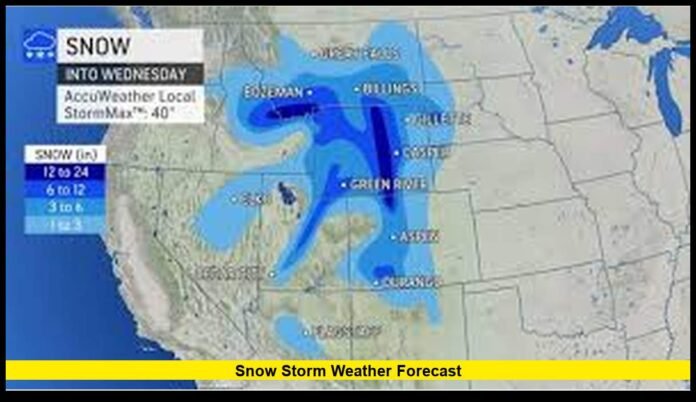

The snow storm weather forecast indicates new winter systems moving across the United States, delivering accumulating snow, strong winds, and hazardous travel conditions as of February 20, 2026.
Cold air remains firmly in place across northern states, allowing multiple storm systems to produce snowfall instead of rain. This setup continues to drive repeated winter weather impacts across the Midwest, Northeast, and mountain regions.
Forecasters highlight that the current pattern features several fast-moving systems rather than a single major storm, which increases the frequency of snow events and travel disruptions.
Current Snow Storm Weather Forecast Overview
Weather patterns show storm systems developing over the central United States before tracking toward the Great Lakes and the East Coast. This track remains one of the most common winter storm paths.
Confirmed forecast themes include:
- Repeated snowfall events across northern states
- Lake-effect snow continuing near the Great Lakes
- Wind creating blowing and drifting snow
- Reduced visibility during active snowfall
- Cold temperatures preserving snow cover
Even lighter snowfall can create dangerous road conditions when combined with wind and freezing temperatures.
Midwest Remains in Primary Snow Corridor
The Midwest continues to experience frequent snow events due to its location along the storm track. States such as Minnesota, Wisconsin, Michigan, Illinois, and Ohio remain vulnerable to accumulating snow.
Typical impacts include:
- Snow-covered highways and slower commutes
- Delays at major airports
- Increased road treatment operations
- School schedule adjustments
Lake-effect snow adds localized heavier totals, especially downwind of the Great Lakes.
Cold air moving across relatively warmer lake water fuels persistent snow bands that can last for hours or even days.
Northeast Facing Periodic Snow Events
Storm systems strengthening along the East Coast continue to bring snowfall to the Northeast. Urban areas often see quick accumulations that disrupt daily routines.
Key concerns include:
- Slippery city streets and sidewalks
- Transit delays during peak travel times
- Reduced visibility from wind-driven snow
- Coastal wind enhancing blowing snow
Temperature profiles across the region favor snow, especially during overnight and early morning periods.
Repeated smaller storms can create cumulative impacts similar to larger events.
Mountain Snow Continues in the West
The Rockies and higher elevations of the interior West remain active snow zones. Ongoing snowfall supports seasonal snowpack levels that are important for water supply.
Impacts include:
- Chain restrictions on mountain passes
- Periodic road closures
- Rapidly changing driving conditions
- Avalanche risk in higher terrain
While snowfall benefits winter recreation, travel through mountain corridors can become difficult quickly.
Wind exposure at elevation increases drifting and visibility problems.
Travel Impacts Expanding Nationwide
Snow storms consistently affect transportation networks across the country. Air travel delays increase during snowfall because of de-icing requirements and reduced runway capacity.
Major travel challenges include:
- Flight schedule adjustments at hub airports
- Highway congestion and slower traffic flow
- Black ice formation overnight
- Increased accident risk during active snowfall
Public transit systems also face disruptions when snow accumulates on tracks or equipment freezes.
Travel impacts often continue after snowfall ends due to lingering ice and snowpack.
Temperature Trends Supporting Snowfall
Persistent cold air remains the primary driver of ongoing snow events. Below-average temperatures across northern states allow precipitation to fall as snow even in weaker systems.
Important temperature patterns:
- Arctic air intrusions reinforcing cold conditions
- Overnight refreezing increasing ice risk
- Snowpack maintaining colder surface temperatures
- Limited warm air reducing rain transitions
These conditions keep winter hazards elevated through late February.
Cold ground temperatures also allow snow to accumulate quickly on roads.
Wind Creating Additional Hazards
Wind plays a critical role in winter storm severity. Blowing snow can create whiteout conditions even when snowfall totals are moderate.
Wind-related risks include:
- Sudden visibility drops
- Snow drifting across rural roads
- Re-covered highways after plowing
- Extended impacts after storms pass
Drivers often face the most dangerous conditions during periods of strong gusts rather than peak snowfall.
Open areas experience the greatest drifting problems.
Community and Infrastructure Effects
Repeated snow events place pressure on local infrastructure and public services. Cities must manage snow removal while preparing for additional storms.
Community impacts often include:
- Increased demand on snow removal crews
- Delivery delays and supply chain slowdowns
- Higher heating usage
- Event cancellations and schedule changes
- Local government service adjustments
Urban areas face challenges clearing narrow streets, while rural areas deal with drifting snow.
The frequency of storms can strain resources over time.
Short-Term Forecast Trends
Near-term forecasts continue to signal active winter weather across northern regions of the United States.
Expected trends:
- Additional Midwest snowfall opportunities
- Ongoing lake-effect snow in Great Lakes snow belts
- Periodic Northeast snow systems
- Continued mountain snowfall in the West
Storm track shifts remain the biggest factor determining where heavier snowfall occurs.
Small changes in temperature or storm path can significantly alter totals.
Winter Safety Recommendations
Preparation remains essential during periods of repeated snow events.
Recommended steps:
- Monitor local forecasts regularly
- Limit travel during active snowfall when possible
- Keep emergency supplies in vehicles
- Clear snow from walkways and vents
- Prepare for colder temperatures after storms
Ice formation following snowfall often creates the highest risk for falls and accidents.
Planning ahead reduces disruption during active storms.
Why the Current Pattern Is Important
A persistent storm track combined with stable cold air can produce extended winter impacts across large regions. This pattern increases the likelihood of repeated disruptions rather than isolated events.
Key consequences include:
- Higher seasonal snowfall totals
- Ongoing transportation challenges
- Greater strain on municipal resources
- Elevated winter safety risks
Patterns like this often continue into late winter before gradually weakening.
Meteorologists continue monitoring temperature trends that could shift precipitation types later in the season.
Late Winter Outlook
Late winter typically remains active across northern states. While daylight increases, strong storm systems can still bring significant snowfall.
Forecast direction suggests:
- Snow risk staying elevated across the northern U.S.
- Potential shifts toward mixed precipitation later in the season
- Continued cold air supporting accumulation
- Gradual regional variability in storm impacts
Winter weather frequently remains impactful into early spring across parts of the country.
Conclusion
The snow storm weather forecast continues to highlight an active winter pattern producing recurring snowfall, cold temperatures, and travel challenges across major U.S. regions. With multiple storm systems moving along a consistent track, communities remain focused on preparation, road safety, and managing ongoing winter impacts.
What winter conditions are you experiencing right now? Share your thoughts or return for the latest snow updates as the season continues.