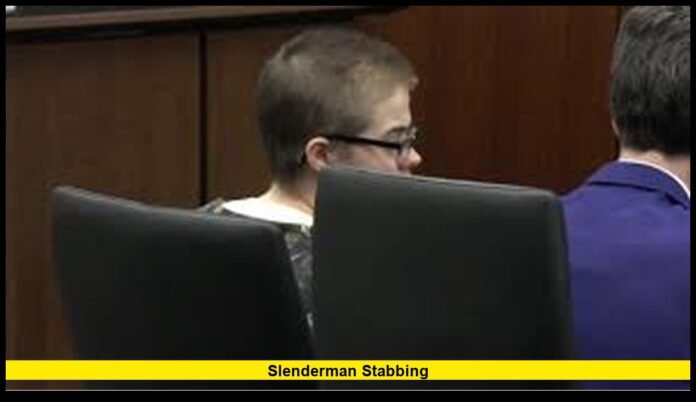

More than a decade has passed since the Slenderman stabbing sent shockwaves across the United States. What began as an unsettling internet story turned into one of the most haunting real-life crimes in modern American history.
In 2025, the case still lingers in public memory — not just for its brutality but for what it revealed about mental illness, childhood psychology, and the blurred lines between online fantasy and reality.
The Day That Changed Everything
In May 2014, three 12-year-old girls from Waukesha, Wisconsin, gathered for what seemed like an ordinary sleepover. The next morning, they walked to a nearby wooded park. There, in a shocking turn of events, one of them — Morgan Geyser — stabbed her friend Payton Leutner 19 times, while Anissa Weier, another classmate, urged her on.
Their reason was as chilling as it was incomprehensible. They believed the attack was necessary to please “Slender Man,” a tall, faceless figure from internet horror stories. Both girls thought committing the act would prove their loyalty to him and protect their families from harm.
Leutner, left for dead, somehow managed to crawl out of the woods to a nearby road. A passing cyclist spotted her and called for help, saving her life.
The crime shocked the nation — not just because of the violence, but because of the age and motive of those involved.
What Happened After the Attack
Police arrested both Geyser and Weier within hours. Their confessions revealed a disturbing obsession with the online legend. During interrogation, the girls calmly explained that they thought Slender Man was real and that killing their friend was the only way to prove their loyalty.
The story immediately became international news. It sparked conversations about the influence of the internet, mental illness in children, and the dangers of online myths.
The Court Case and Psychiatric Findings
Both girls were charged as adults due to the seriousness of the crime, though their defense focused on their mental health and age. Over the next few years, extensive psychiatric evaluations and court hearings unfolded.
Morgan Geyser was diagnosed with early-onset schizophrenia, a severe mental illness that can cause hallucinations and delusions. Doctors testified that she genuinely believed she was communicating with Slender Man and that her actions were influenced by her psychosis.
Anissa Weier was diagnosed with a shared delusional disorder, meaning she had come to share Geyser’s distorted beliefs. She was described as more passive but deeply influenced by her friend’s delusions.
In 2017, Weier was found not guilty by reason of mental disease or defect and committed to a state psychiatric facility for up to 25 years. A year later, Geyser received a similar verdict and was sentenced to 40 years in a secure mental health institution.
Life Inside the Facility
Morgan Geyser, now in her early twenties, continues to live under state care at the Winnebago Mental Health Institute in Oshkosh, Wisconsin.
Her daily life revolves around treatment programs, medication management, and therapy designed to control her schizophrenia. She also attends regular evaluations where doctors assess her stability and readiness for eventual release.
Her daily structure includes:
- Ongoing psychiatric care and antipsychotic medication.
- Group and individual therapy sessions.
- Supervised recreation and educational programs.
- Regular court reviews on her treatment progress.
In September 2024, Geyser briefly requested conditional release, a form of supervised freedom that allows patients to live in the community under strict monitoring. However, she later withdrew her petition, stating she did not feel ready to leave the hospital’s care.
Her doctors agreed that continued treatment in a secure environment was the best option for her safety and for public protection. Her next review is expected in early 2026, when her legal team may revisit the question of release.
Where Anissa Weier Stands Today
Anissa Weier’s life looks very different. After years of treatment, she was granted conditional release in 2021.
Under her release terms, she must follow strict guidelines that include:
- Wearing a GPS monitor.
- Attending regular therapy sessions.
- Reporting to court officials at set intervals.
- Following curfews and limits on internet access.
Weier, now in her early twenties, continues to live quietly under supervision. Court records show no violations or incidents since her release.
Her compliance and progress demonstrate how careful the court’s oversight has been in balancing rehabilitation with community safety.
The Survivor’s Life and Strength
The victim, Payton Leutner, has built a life focused on healing and privacy. Now a young woman, she has largely stayed out of the public eye.
In previous interviews, Leutner said she has forgiven her attackers but continues to carry the emotional scars from that day. She has expressed gratitude to those who helped save her life and prefers to live quietly, away from the media attention that once surrounded her story.
Her recovery remains one of the most remarkable parts of the tragedy. Despite the trauma, she has shown extraordinary resilience — moving forward while maintaining compassion and understanding for those who hurt her.
Why the Case Still Matters Today
The Slenderman stabbing changed how the U.S. views the connection between mental illness, childhood development, and internet culture.
It served as a turning point in discussions about mental health intervention in minors. Schools, parents, and mental health professionals across the country began examining how early psychosis and delusional thinking can manifest in children.
The case also forced society to confront how easily digital fiction can blur with reality, especially for vulnerable young people.
Key lessons from the case:
- Early signs of mental illness must be recognized and treated.
- Children’s online activity requires guidance and supervision.
- Access to mental health care for juveniles needs improvement.
- Digital myths can have real psychological consequences when misunderstood.
Over time, educators and mental health advocates have used this case as an example of why awareness and early support are critical.
The Broader Legal and Psychological Impact
From a legal standpoint, the case has become a point of reference for how courts handle juveniles found not guilty by reason of mental illness. It helped shape policies emphasizing treatment rather than punishment for mentally ill youth.
Psychologically, the case is now studied in universities and mental health training programs as a real-world example of folie à deux, or “shared psychosis.” It highlights how delusions can spread between individuals, particularly when one person is impressionable or dependent on another.
These discussions have contributed to broader reforms in how institutions treat young offenders with severe psychiatric disorders.
Where the Case Stands Now
As of 2025, Morgan Geyser remains in state care, showing signs of improvement but still requiring close monitoring. Her treatment continues at Winnebago, where she participates in long-term rehabilitation programs.
Anissa Weier continues her life under conditional release, with all legal requirements intact.
The Wisconsin legal system maintains active oversight of both women, ensuring periodic reviews and transparency in their rehabilitation progress.
There are no current petitions from either side to alter the terms of their confinement or supervision. The next scheduled updates are expected in 2026.
The Enduring Public Memory
Even after eleven years, the story continues to haunt and educate. For many, the case represents the dark side of internet influence — how something fictional can lead to real tragedy when mixed with mental illness and emotional vulnerability.
For others, it is a reminder of how the legal system can show compassion and caution at the same time, treating illness while protecting the public.
In classrooms, courtrooms, and psychiatric conferences, the events in Waukesha are still referenced today as an example of how society must adapt to the growing intersection of technology, psychology, and crime.
Looking Ahead
The next chapter of this story remains unwritten. Whether Morgan Geyser will one day reenter society depends entirely on her continued stability, treatment, and the judgment of medical and legal professionals.
Meanwhile, the victim, Payton Leutner, continues to live privately, focused on peace and recovery. The state continues to uphold its commitment to supervision and public safety, ensuring all parties involved receive the care and oversight they need.
The Slenderman stabbing remains one of the most haunting crimes of the last decade — not just for what happened, but for what it revealed about fear, belief, and the human mind. What are your thoughts on the case and its lasting impact? Share your views in the comments below.