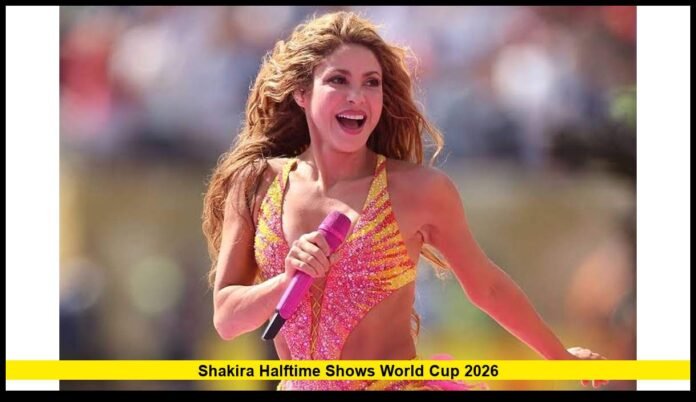

The shakira halftime show world cup 2026 instantly became one of the defining moments of the FIFA World Cup Final, introducing a brand-new tradition to the world’s biggest sporting event. For the first time in tournament history, FIFA staged a Super Bowl-style halftime performance during the Men’s World Cup Final, blending football, music, and global entertainment into one unforgettable spectacle. Held on July 19, 2026, at New York New Jersey Stadium, the event attracted hundreds of millions of viewers worldwide and featured an all-star lineup led by some of the biggest names in music.
While the final itself delivered drama on the pitch, the halftime show proved equally memorable, sparking conversations across social media and among football fans about the future of entertainment at FIFA tournaments.
Key Points Summary
╔════════════════════════════════════════════════════════════════════╗
║ – FIFA introduced its first-ever World Cup Final halftime show in 2026. ║
║ – Shakira returned to football’s biggest stage alongside global music stars. ║
║ – The performance combined live music, advanced stage technology, and football culture. ║
║ – The event also highlighted FIFA’s partnership with Global Citizen to support education initiatives. ║
║ – The success of the show has fueled expectations that halftime concerts could become a permanent World Cup tradition. ║
╚════════════════════════════════════════════════════════════════════╝
A New Era for the FIFA World Cup Final
For nearly a century, the FIFA World Cup Final followed a familiar format. Fans enjoyed opening ceremonies before kickoff and trophy celebrations after the match, but halftime remained focused entirely on the players preparing for the second half.
That changed in 2026.
Inspired by the success of halftime entertainment in other major sporting events, FIFA introduced a carefully planned live concert designed specifically for the World Cup Final. The goal was not simply to entertain spectators inside the stadium but also to create an event capable of captivating television audiences around the globe.
Unlike traditional concerts, every aspect of the production had to fit within football’s limited halftime break. Stage crews worked with remarkable precision to assemble and remove the performance area in just a matter of minutes while ensuring the playing surface remained protected.
The result was one of the most technically ambitious productions ever attempted during an international football match.
Why Shakira Was an Obvious Choice
When fans learned FIFA would feature global music stars during halftime, one artist immediately stood out as an almost inevitable selection.
Shakira has become one of the musicians most closely associated with the FIFA World Cup.
Her relationship with football stretches back more than fifteen years, beginning with the worldwide success of “Waka Waka (This Time for Africa),” the official song of the 2010 FIFA World Cup. The song became an international sensation, reaching audiences far beyond football supporters and remaining one of the most recognizable sports anthems ever recorded.
She returned to the World Cup stage in 2014 with “La La La (Brazil 2014),” once again connecting her music with the tournament.
Because of this history, her inclusion in the 2026 halftime show felt like a natural continuation of her long-standing connection with football.
A Star-Studded Lineup
The production featured performers representing multiple continents and musical styles, reflecting football’s status as the world’s most global sport.
Among the featured artists were:
- Madonna
- BTS
- Justin Bieber
- Burna Boy
- Gustavo Dudamel
- Chris Martin
- The PS22 Chorus
- Special appearances by beloved children’s television characters
The lineup emphasized diversity, bringing together pop, Latin music, Afrobeats, orchestral performance, and youth culture into one coordinated production.
Rather than focusing on a single headline performer, FIFA created a collaborative event celebrating music from around the world.
Shakira’s Performance Captivated Millions
One of the biggest highlights of the evening came when Shakira appeared on stage to perform “Dai Dai” alongside Nigerian superstar Burna Boy.
The performance combined powerful vocals with energetic choreography and large-scale visual effects that transformed the stadium into a spectacular concert venue.
Massive LED displays surrounded the stage while synchronized lighting illuminated the crowd. Fireworks and pyrotechnics added dramatic moments without overshadowing the music itself.
The choreography reflected both football culture and Shakira’s signature dance style, creating an energetic atmosphere that resonated with audiences inside the stadium and those watching around the world.
Her confident stage presence once again demonstrated why she remains one of the world’s most recognizable live performers.
Cutting-Edge Production Behind the Scenes
Producing a halftime show during the FIFA World Cup Final presented enormous logistical challenges.
Unlike concerts held in arenas specifically designed for entertainment, football stadiums hosting championship matches require strict protection of the pitch.
Organizers had only a brief halftime window to:
- Transport stage components
- Assemble performance platforms
- Install lighting equipment
- Activate audio systems
- Coordinate dozens of dancers and performers
- Complete the show
- Remove every piece of equipment before the second half
Months of planning and rehearsal ensured the operation ran smoothly.
Every movement was timed to the second, allowing the football match to resume without unnecessary delays.
Technology Elevated the Experience
Modern concert technology played a major role in making the halftime show visually unforgettable.
The production incorporated:
Massive LED Screens
High-resolution displays surrounded the performers with animated graphics inspired by football, world cultures, and tournament imagery.
Advanced Lighting Systems
Computer-controlled lighting synchronized perfectly with each musical performance, changing colors and movement patterns throughout the show.
Pyrotechnics
Carefully coordinated fireworks and flame effects enhanced the dramatic moments while maintaining strict safety standards.
Broadcast Innovation
Multiple camera angles, aerial shots, drones, and immersive broadcasting techniques ensured viewers watching from home experienced the spectacle from every perspective.
The combination of these technologies helped transform a football stadium into a world-class entertainment venue within minutes.
A Celebration Beyond Football
The halftime show represented more than celebrity performances.
FIFA partnered with Global Citizen to raise awareness and financial support for educational initiatives aimed at improving opportunities for children worldwide.
The campaign sought to expand access to education while promoting football as a tool for positive social development.
By combining entertainment with charitable objectives, the event demonstrated how global sporting competitions can reach audiences beyond traditional football fans.
Fans React Around the World
Social media platforms exploded with reactions almost immediately after the halftime show concluded.
Many viewers praised:
- Shakira’s energetic performance
- The international artist lineup
- The production quality
- The visual effects
- FIFA’s willingness to innovate
Supporters described the show as one of the most exciting additions to the World Cup experience in decades.
Others appreciated how the event reflected football’s global popularity by featuring artists from different regions rather than focusing on a single musical genre.
At the same time, some longtime football supporters questioned whether halftime concerts fit the traditions of the FIFA World Cup.
These differing opinions created lively discussions online, further increasing worldwide attention surrounding the event.
Shakira’s Lasting World Cup Legacy
Few artists have developed such a strong connection with football as Shakira.
Across multiple tournaments, her performances have become part of the memories shared by millions of fans.
Her music has accompanied celebrations, highlight reels, and unforgettable moments throughout World Cup history.
The shakira halftime show world cup 2026 strengthened that legacy by introducing her to a completely new generation of football supporters while reconnecting longtime fans with one of the sport’s most familiar musical voices.
Even years after its release, “Waka Waka” continues to be played during football events around the world, demonstrating the lasting impact of her contribution to the sport.
How FIFA Balanced Entertainment and Competition
One concern before the event involved maintaining the integrity of the football match itself.
Tournament organizers emphasized that player preparation remained the highest priority.
Special planning ensured teams retained sufficient time to regroup before returning to the field.
Ground crews also worked extensively to protect the natural grass surface from heavy equipment and large groups of performers.
By successfully balancing entertainment with competitive requirements, FIFA showed that large-scale halftime productions can coexist with elite football.
Could Halftime Shows Become a Permanent Tradition?
The overwhelmingly positive response has already fueled speculation about future FIFA tournaments.
Many fans now expect halftime entertainment to return for upcoming World Cup Finals.
Future editions could feature:
- Regional music representing host nations
- International superstar collaborations
- Cultural performances celebrating football history
- Interactive visual experiences using new broadcast technologies
While FIFA has not officially confirmed long-term plans, the success of the inaugural halftime concert makes it likely that similar productions will be considered for future championships.
Why This Performance Will Be Remembered
The 2026 World Cup Final marked several historic milestones for international football.
It was the first Men’s World Cup featuring 48 national teams, the first hosted jointly by three countries, and the first to include a halftime concert during the championship match.
Within that broader history, Shakira’s performance stands out as one of the evening’s defining moments.
Her appearance symbolized the growing connection between football and global entertainment while reminding fans why her music has become inseparable from some of the sport’s biggest celebrations.
Whether remembered for its spectacular visuals, international collaboration, or cultural significance, the halftime show represented a bold step forward for FIFA and demonstrated how the World Cup continues to evolve with each generation.
As football grows into an even more global spectacle, entertainment will likely remain an increasingly important part of the tournament experience. The 2026 final proved that music and sport can complement each other without overshadowing the competition, creating an event that appealed to dedicated football supporters and casual viewers alike.
For Shakira, the performance added another remarkable chapter to a career already filled with unforgettable World Cup moments. For FIFA, it introduced an innovation that may shape the future of the tournament for decades to come.
Did you enjoy the historic halftime performance? Share your thoughts in the comments and stay tuned for more FIFA World Cup 2026 news, match analysis, and entertainment updates.