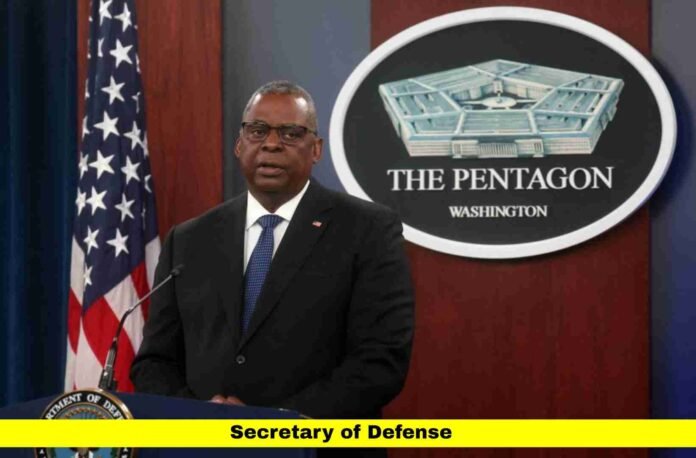

The secretary of defense stands at the center of America’s national security framework, guiding military policy, operational readiness, and global defense engagement. In 2026, the position carries heightened importance as the United States navigates an era marked by strategic competition, rapid technological change, and complex international security challenges. The office serves as the highest civilian authority overseeing the armed forces, shaping how the nation prepares for conflict while working to prevent it.
This leadership role connects the president, Congress, and the uniformed services, ensuring military power remains aligned with democratic governance and national priorities.
Civilian Leadership at the Core of National Security
Civilian oversight of the military defines the foundation of U.S. defense governance. The individual leading the Department of Defense represents this principle in practice, exercising authority over strategic decisions while remaining accountable to elected leadership. This structure reinforces balance, prevents concentration of power, and preserves constitutional order.
Every directive issued from the Pentagon reflects this civilian-led system. It ensures military actions align with broader political objectives and national interests rather than operating independently of public accountability.
Strategic Authority and Command Structure
At the top of the defense hierarchy, this office holds direct authority over military departments and unified combatant commands. While operational command flows through military leadership, strategic direction originates from civilian leadership within the Pentagon.
This balance allows the armed forces to act with speed and precision while remaining firmly under civilian control. Orders involving deployments, posture adjustments, or operational readiness pass through this leadership channel before execution.
Defense Policy Formation and Implementation
One of the most significant responsibilities involves crafting defense policy that responds to both present threats and future risks. Policy decisions influence force posture, alliance commitments, and long-term military planning.
In 2026, defense policy emphasizes readiness, deterrence, and adaptability. These principles guide how resources are allocated and how forces are positioned around the world. Policy choices also reflect lessons learned from recent conflicts and emerging security trends.
Military Readiness and Operational Preparedness
Maintaining readiness remains a central priority. This includes ensuring personnel are trained, equipped, and supported to respond to crises at any moment. Readiness extends beyond combat capability and includes logistics, intelligence, medical readiness, and sustainment systems.
Leadership decisions directly impact training standards, deployment cycles, and modernization timelines. These efforts aim to ensure the force remains capable across a wide range of scenarios, from humanitarian response to high-intensity conflict.
Modernization and Technological Advancement
Modern warfare increasingly depends on advanced technology. The Department of Defense continues to invest in emerging capabilities that shape how conflicts are fought and deterred. Artificial intelligence, autonomous systems, advanced sensors, and data integration play a growing role in operational planning.
Modernization efforts also address legacy systems, replacing aging platforms with more flexible and resilient alternatives. These initiatives seek to maintain technological superiority while ensuring systems remain interoperable across services.
Cyber and Space as Strategic Domains
Cyber and space operations now stand alongside land, sea, and air as essential domains of defense. Protecting digital infrastructure and maintaining space-based capabilities have become critical to national security.
Leadership within the Pentagon oversees strategies designed to defend networks, safeguard communications, and maintain resilience against digital disruption. These efforts reflect the reality that modern conflict may begin far from traditional battlefields.
Global Military Presence and Strategic Partnerships
The United States maintains a global defense footprint supported by partnerships and alliances. Diplomatic engagement with allied nations strengthens shared security objectives and enhances interoperability among forces.
Defense leadership regularly engages counterparts abroad to reinforce commitments, coordinate exercises, and address regional security concerns. These relationships serve as force multipliers, reducing the likelihood of conflict through collective deterrence.
Alliance Coordination and Burden Sharing
Alliances rely on trust, transparency, and shared responsibility. Defense leadership plays a direct role in reinforcing expectations around burden sharing and mutual defense commitments.
By working closely with allied governments, the department ensures military cooperation remains effective and aligned with shared strategic goals. This coordination enhances readiness and reinforces collective security frameworks.
Budget Oversight and Fiscal Responsibility
Oversight of the defense budget carries enormous responsibility. The Department of Defense manages a significant portion of federal spending, covering personnel, equipment, research, and operations.
Leadership decisions shape how resources are distributed across programs. Budget priorities reflect strategic goals, readiness needs, and long-term modernization plans. Fiscal discipline remains essential to maintaining public trust and operational effectiveness.
Congressional Engagement and Oversight
The relationship with Congress forms a critical component of defense governance. Regular testimony, briefings, and consultations ensure transparency and accountability.
Through this process, lawmakers evaluate policy choices, funding requests, and strategic direction. This dialogue reinforces civilian oversight while enabling informed legislative support for defense initiatives.
Service Member Welfare and Quality of Life
Supporting those who serve remains a moral and strategic obligation. Policies addressing housing, healthcare, education benefits, and family support directly affect morale and retention.
Leadership within the department recognizes that readiness depends on people as much as equipment. Enhancing quality of life strengthens the force and reinforces long-term sustainability.
Ethics, Discipline, and Institutional Trust
Ethical leadership underpins effective defense management. Upholding standards of conduct, enforcing accountability, and maintaining transparency reinforce public confidence in the military institution.
Discipline and professionalism remain central to maintaining operational effectiveness. Leadership decisions emphasize integrity, lawful conduct, and respect for democratic norms.
Crisis Management and Decision-Making
Moments of crisis test defense leadership most intensely. Whether responding to international incidents, regional instability, or emerging threats, decisions must balance speed with deliberation.
Crisis management requires coordination across government agencies and close communication with allies. These moments define leadership effectiveness and shape long-term strategic outcomes.
Information Environment and Public Communication
Public communication plays a growing role in defense leadership. Clear messaging supports transparency and counters misinformation, particularly during periods of heightened tension.
Leadership statements help shape public understanding of defense actions and reinforce confidence in national security institutions. Effective communication strengthens democratic accountability.
Challenges Shaping Defense Leadership in 2026
The defense landscape continues to evolve rapidly. Technological acceleration, shifting alliances, and unconventional threats demand adaptability and foresight.
Leadership must balance immediate operational demands with long-term strategic planning. Navigating these challenges requires coordination, resilience, and institutional discipline.
Long-Term Strategic Outlook
Looking ahead, defense leadership will continue shaping how the United States positions itself in a changing world. Emphasis on modernization, alliance strength, and readiness will remain central.
Decisions made today influence military effectiveness for decades. Strategic clarity and disciplined execution will define success in maintaining national security.
Enduring Importance of Civilian Defense Leadership
The role at the head of the Department of Defense represents more than authority over military power. It symbolizes the nation’s commitment to democratic control, ethical governance, and responsible use of force.
This leadership position remains essential to balancing strength with restraint and preparedness with accountability.
How do you see U.S. military leadership adapting to today’s global challenges? Share your thoughts and stay informed as defense priorities continue to evolve.