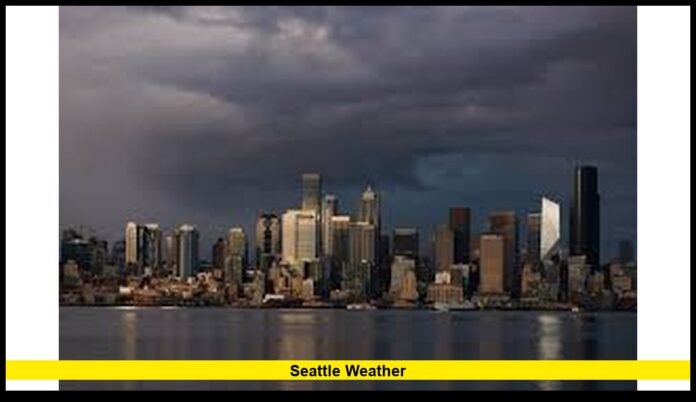

Seattle is experiencing an unusual stretch of dry conditions even in the heart of winter, defying typical regional climate trends as forecasts show continued mild temperatures and limited rainfall this week. The latest seattle weather patterns reveal shifting dynamics that are shaping both daily life and seasonal expectations for the Pacific Northwest.
Overall, Seattle’s current weather reflects a rare period of clear skies, warmer-than-normal air, and extended dry days — conditions that could set new local climate records as January winds toward February.
A Rare Dry Spell in the Heart of Winter
Seattle’s weather this January has been notably dry. As of late January 2026, the city has gone more than 10 consecutive days without measurable rainfall, a remarkable departure from typical January patterns in the region. Experts note that a strong high-pressure ridge over the Pacific is suppressing typical cloud systems and moisture that usually bring rain to western Washington during this time of year.
This dry period is also accompanied by what meteorologists describe as a temperature inversion — a layer of warmer air aloft trapping cooler air and moisture near the surface. This inversion has contributed to lingering fog in some low-lying areas but overall has kept significant precipitation at bay.
Temperatures have been mild for January, with highs mostly in the mid-40s to lower 50s Fahrenheit and lows dipping near freezing overnight, though precipitation remains scarce. These conditions have spurred discussion among regional forecasters about the possibility of setting a record for the driest January in recent memory for Seattle.
Current Conditions: Mild, Clear, and Chillier at Night
Right now, official meteorological observations indicate a chilly but largely dry and calm atmosphere across Seattle. Early-morning readings show temperatures near freezing, with clear to partly cloudy skies prevailing in many neighborhoods. Winds remain light, and humidity is moderate — typical of winter conditions but notably lacking the expected rainfall that usually defines January in the Puget Sound region.
Daytime temperatures are warming into the mid-40s, with sunshine appearing frequently through breaks in the high-pressure pattern. Evening hours bring increasing cloudiness at times, yet rain chances stay minimal through the start of the week.
Short-Term Forecast: Transition to Clouds and Rain Next Week
Looking at the official seven-day outlook, the immediate days ahead will remain relatively mild and dry. Forecast guidance suggests:
- Today and Tomorrow: Mostly sunny to partly cloudy with highs around the mid-40s and overnight lows near the freezing mark. Calm to light winds will persist.
- Early Week: Cloud cover increases gradually, with highs creeping into the upper 40s to lower 50s. Rain chances remain slim at first but begin to rise by mid-week.
- Mid to Late Week: Forecast models project a greater likelihood of measurable rain from Wednesday into the weekend. Showers and sustained cloudy periods return as the high-pressure ridge breaks down and Pacific systems move inland.
This gradual transition marks a return toward typical Seattle weather after an extended dry spell, though the dry period this winter remains noteworthy for its length and strength.
What This Means for Local Life and Activities
Outdoor Recreation and Safety
This prolonged dry spell offers residents and visitors a rare opportunity for outdoor activities without the usual January rain. Parks, trails, and waterfront paths are drier than average, making conditions more favorable for hiking, running, and cycling. However, cool overnight temperatures still mean frost and occasional fog in the mornings, so early-day activity might feel chilly.
Urban and Environmental Impacts
Although dry conditions can be pleasant, they also influence local environmental factors. Extended lack of rain can:
- Lower soil moisture levels.
- Increase susceptibility to dust and dry ground conditions.
- Affect air quality in stagnant air scenarios.
It’s important to monitor forecasts as rain returns to ensure safety and preparedness for slick roads and changing trail conditions.
How Long Will the Dry Pattern Last?
Regional meteorologists emphasize that while this dry spell is unusual for January in Seattle, it’s not necessarily indicative of long-term climate shifts. Weather patterns can vary significantly from year to year, and atmospheric ridges like this one occasionally build and persist over the Pacific Northwest, suppressing rain.
That said, forecasts indicate that the lingering dry pattern will likely ease later in the week, with increasing chances for rain showers and cloudier skies as more typical Pacific fronts return.
Temperature and Rain Outlook at a Glance
Here’s a snapshot of forecasted conditions for the coming days:
- Highs: Generally 44–52°F early in the week, rising modestly as cloud cover increases.
- Lows: Near freezing to upper 30s overnight, especially early in the week.
- Rain Chances: Increasing by mid-week, with the highest likelihood of showers Thursday through Saturday.
This pattern marks a shift from the extended dry spell toward a more seasonally typical Pacific Northwest winter forecast.
Understanding Seattle’s Unique Weather Mechanisms
Seattle’s climate is shaped by several distinct geographical and atmospheric factors:
- Puget Sound Convergence Zone: A local meteorological feature that can trigger pockets of precipitation and banded rainfall, though it hasn’t played a major role during this dry period.
- Olympic Rain Shadow: The Olympic Mountains often block moisture, creating drier conditions in certain parts of the region. However, wet Pacific fronts typically offset this effect — until now.
- High-Pressure Dominance: The current dry spell stems largely from a strong high-pressure system over the region, which suppresses storm formation and traps warmer air aloft.
These mechanisms work together to create Seattle’s characteristic climate and can explain why dry spells like this occur even in a typically wet winter month.
Preparing for Transitioning Weather
Residents should stay prepared as conditions evolve. Here are a few practical tips based on current forecasting:
- Morning Fog and Frost: Watch for slick spots and poor visibility during early hours.
- Rainfall Return: By mid-week, pack rain gear and plan for wet conditions.
- Temperature Swings: Be ready for mild daytime temperatures and chilly nights.
By keeping an eye on forecast updates and understanding local weather dynamics, Seattle residents can navigate this unusual winter spell with confidence.
Let us know how the shifting seattle weather is affecting your routines, and share your own observations or photos in the comments below!