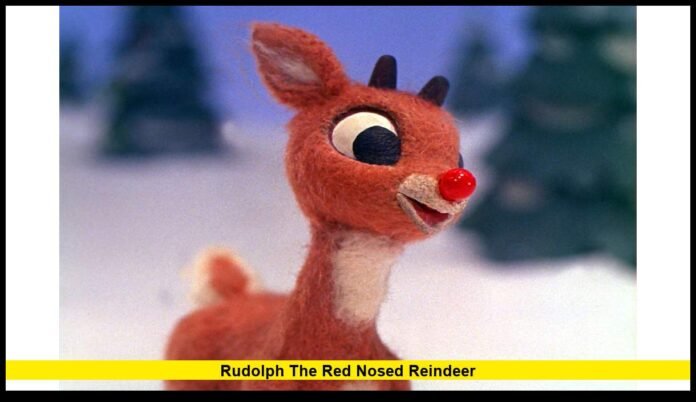

Rudolph the Red-Nosed Reindeer leads the holiday season once again in 2025, as the iconic stop-motion special secures prominent broadcast placements and renewed attention from viewers across the United States. The classic production continues to stand as one of the most reliable and beloved December traditions, drawing millions who look forward to watching the animated world that has shaped generation after generation of holiday celebrations.
This season brings confirmed broadcast dates, heightened visibility across television lineups, and expanded digital access for families who prefer on-demand viewing. With holiday programming beginning earlier and reaching wider audiences each year, the special remains a pillar of December entertainment and shows no sign of fading from America’s festive landscape.
A Holiday Tradition Entering a New Era
More than sixty years after its debut, the special holds a cultural presence few holiday programs can match. Its handcrafted animation, memorable soundtrack, and heartfelt storytelling continue to capture the American imagination. While many seasonal titles come and go, this one sustains an intergenerational fandom that grows each year.
Its enduring popularity is rooted in several elements:
- A nostalgic creative style that resonates in a digital age
- A cast of characters that feel timeless and deeply familiar
- A message centered on acceptance, courage, and individuality
- A musical identity recognizable within seconds
Television networks consistently incorporate the special into their December schedules, and 2025 is no exception. As soon as holiday programming blocks begin rolling out, it remains one of the first titles audiences seek — and for many households, the holiday season does not feel complete until this classic appears on screen.
2025 Broadcast Details: When Viewers Can Watch
This year’s holiday season includes multiple confirmed airings on broadcast television, alongside additional playbacks on cable networks known for seasonal marathons. The special traditionally anchors December schedules, and the 2025 lineup embraces that role fully.
The primary national broadcast will take place early in the month to help set the tone for the seasonal programming wave. Viewers can expect a prime-time slot that encourages whole-family viewing. Later in the month, an encore airing provides another opportunity to catch the special before Christmas.
Many cable networks also include the program in holiday countdown blocks. These repeat airings allow viewers who miss the main event to enjoy the special at alternative times. With streaming, cable, and broadcast working in parallel, accessibility is higher than ever.
Digital Availability for On-Demand Viewing
Although the special remains primarily associated with broadcast television, digital platforms continue to offer it for purchase. This option benefits viewers who prefer flexibility, as they can watch the program at any time without commercials. Parents of young children often choose this route, allowing kids to revisit favorite scenes throughout December.
Digital access also ensures that families who are traveling, living abroad temporarily, or unable to watch during set broadcast times still have a reliable way to enjoy the annual classic. Many platforms offer restored or remastered versions, giving viewers a visually enhanced experience while preserving the charm of the original production.
Why the Special Still Matters in 2025
The continued relevance of the program is remarkable when considering how drastically the television landscape has evolved since its 1964 premiere. Today’s viewers have thousands of options — from streaming originals to international films — yet this holiday staple maintains a secure place in the nation’s collective memory.
Several key factors contribute to its resilience.
1. Animation That Stands Apart
The stop-motion style is instantly recognizable and never replaced by modern reboots. Its visual identity sets it apart from contemporary titles that favor digital animation. This unique style appeals to viewers seeking tradition and artistic individuality during the holidays.
2. Emotional Storytelling
Its narrative explores belonging, empathy, and courage. Children connect to the feeling of wanting to fit in, while adults appreciate the deeper themes of resilience and generosity. The story’s emotional balance keeps it relevant for all ages.
3. Musical Legacy
The soundtrack remains one of the strongest in holiday television. Each song is distinct, warm, and memorable, contributing to the rhythmic flow that keeps viewers engaged from beginning to end.
4. Multigenerational Rituals
Families across the United States have built seasonal traditions around watching the special together. Grandparents who viewed the program during its original era now enjoy it with grandchildren, reinforcing its cross-generational appeal.
A Look Back at Its Origin and Cultural Evolution
While the special dominates modern holiday television, its roots reach back several decades before its animated adaptation. The character was introduced in the late 1930s through a promotional booklet created for a large American retailer. That early version of Rudolph captured the imagination of children and families at a time when holiday merchandising was just beginning to shape American culture.
A decade later, a well-known songwriter transformed the story into a hit tune that immediately became part of the national holiday soundtrack. Its rise coincided with the golden age of American radio, giving the song widespread exposure and solidifying Rudolph as a central figure in Christmas storytelling.
The 1964 animated special marked a milestone in holiday programming. The production’s handcrafted sets, expressive character models, and innovative stop-motion techniques pushed the boundaries of television animation during that era. With its warm narrative and unforgettable music, the special quickly became an annual tradition.
Throughout the 1970s, 1980s, and 1990s, the special aired consistently during prime-time holiday blocks. Families would plan evenings around its broadcast, often pairing it with baking, decorating, or gift wrapping. These routines helped embed the program deeply into American holiday identity.
As technology evolved, the special transitioned from network exclusivity to home-video releases, cable airings, and eventually digital ownership. Each format change expanded its reach while keeping the original artistic and emotional essence intact.
Why Broadcast TV Still Matters for Holiday Programming
Even though streaming now dominates much of the year-round viewing landscape, holiday television maintains a unique relationship with broadcast networks. Seasonal programming, especially long-established classics, performs consistently well on traditional TV.
Viewers enjoy the communal aspect of a set broadcast time. Families gather around the television rather than watching separately on personal devices. The annual return of the special creates a sense of ritual that streaming alone cannot replicate.
Networks also benefit from including holiday classics in their schedules, as these programs reliably attract viewers across a wide demographic range. The familiar music, visuals, and narrative uplift television ratings and strengthen seasonal branding.
Cultural Significance in the Modern Era
The special’s impact extends beyond entertainment. It influences merchandise trends, holiday playlists, seasonal advertising, and even school performances. Its characters appear on decorations, apparel, and collectibles throughout stores each holiday season.
The message at the center of the story — celebrating individuality and recognizing the strength in differences — resonates strongly today. Modern audiences view the content through a contemporary lens, finding new meaning in its portrayal of compassion and understanding.
Parents often introduce the special to their children as an early lesson in kindness. Teachers reference themes from the story when discussing confidence and empathy. The characters have become symbolic figures of inclusivity within the holiday genre.
What to Expect for the 2025 Holiday Season
For viewers planning their holiday schedules, the 2025 broadcast cycle will provide several opportunities to enjoy the special. The early December premiere offers a kickoff to the season, while later airings give families additional chances to tune in.
Cable marathons often include multiple showings on different days, making it easier for families juggling travel, school events, and winter activities to find a convenient time to watch.
Digital users will continue to have the most flexible option, allowing them to enjoy the special before or after the official broadcast windows. Many households now use a hybrid approach — watching the prime-time airing together and returning to the digital version for repeat viewings.
Why It Continues to Define American Holiday Entertainment
Few holiday programs achieve lasting relevance across multiple generations. This special remains a standout because it blends artistry, emotional connection, and tradition in a way that feels sincere and enduring.
Its influence can be seen across American culture:
- Holiday playlists
- Family stories and rituals
- Seasonal merchandise
- School programs
- Television countdown events
Children recognize the characters from a young age, and adults carry longstanding memories of watching the special with their own parents. That continuity keeps the program deeply embedded in the holiday season.
The world evolves, technology shifts, and new entertainment options emerge constantly. Yet this stop-motion classic still earns a meaningful place in U.S. homes every December. With strong broadcast presence, wide digital accessibility, and unwavering audience love, its legacy appears secure for decades to come.
Rudolph the Red-Nosed Reindeer continues to shine brightly each holiday season, reminding viewers why the classic remains one of America’s most enduring traditions.