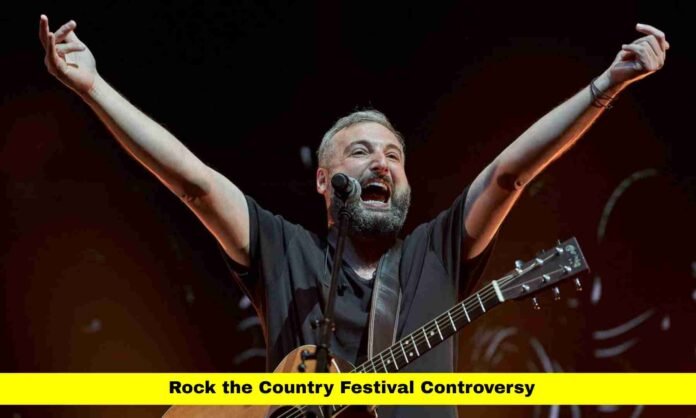

The tour sparked debate as artist exits and public reactions shifted attention from music to broader cultural interpretation.
It highlighted how live events today can carry meanings that go far beyond the stage.
The rock the country festival controversy has become one of the most talked-about topics in the music world this year, as tensions surrounding the 2026 traveling music tour continue to rise. What began as a lineup announcement for a nationwide summer series featuring big-name performers has quickly evolved into a flashpoint of public debate, artist withdrawals, and heated responses from fans and musicians alike. As the tour prepares to hit cities from Texas to New York, controversy now surrounds not only who will be on stage but what the event represents in the broader cultural landscape.
As this touring festival unfolds, people across the United States are reacting to its lineup changes, artist decisions, and the ways in which music and public perception intersect. This article provides a deep, verified look at the developments contributing to the ongoing dispute, the reactions from artists and audiences, and the implications for live music culture in 2026.
How the Festival’s Perception Changed After the Lineup Was Announced
When the nationwide music tour first revealed its lineup, it drew attention for its mix of popular rock and country artists. Early enthusiasm highlighted excitement around performances from major names across multiple weekends throughout the summer.
However, some segments of the public began to frame the event through a political lens. Certain elements of the festival’s branding, such as its patriotic imagery and association with performers perceived as aligned with conservative cultural values, prompted online users to tag the tour with politically charged labels. This shift in perception played a significant role in shaping the controversy as it developed, influencing fan reactions and artist decisions alike.
Calls About Political Associations and Cultural Messaging
As discussion intensified online, some commentators took aim at the apparent political overtones tied to the festival’s presentation. Elements such as heavy emphasis on patriotic themes and audiences associating certain artists with specific cultural or political stances began to generate debate.
These reactions were mainly driven by fan conversations and social media commentary. Although the festival itself did not officially promote any political message, its aesthetic and the reputations of some scheduled performers led portions of the public to discuss the event through a political lens. This perception became a key catalyst for the controversy that followed as critics and supporters debated what the festival symbolized.
Artist Departures and Their Role in the Escalation
One of the earliest and most notable impacts of these discussions was the departure of Grammy-winning rapper Ludacris from the tour lineup. Shortly after being announced as part of the schedule, his name was removed from promotional materials, and representatives clarified that he was no longer participating. Organizers explained the change as the result of an internal booking correction rather than a planned performance.
The removal of Ludacris from the lineup was followed by the quiet exits of two other performers, Morgan Wade and Carter Faith. These departures added fuel to the conversation about how artists were responding — or reacting — to the festival’s associations and the audience response it had generated.
Internal Band Reaction and Increased Public Scrutiny
The controversy deepened when members of other scheduled performers addressed the situation publicly. Notably, a drummer from a well-known rock band initially criticized Ludacris’s decision to leave the festival. In remarks on a podcast, he described the rapper’s withdrawal as “cowardly” and suggested that his band had agreed to participate without fully understanding the festival’s associations.
These comments drew attention to the internal dynamics of the band’s decision-making and contributed to heightened scrutiny of their participation. The public exchange highlighted the complexities artists face when evaluating performance opportunities in an era where audience perception and cultural narratives can have significant impact.
The Band’s Subsequent Departure and Statement
In a significant turn, that same band later announced its own decision to withdraw from the tour. Their statement emphasized a desire to bring people together through music rather than risk further division, and they explained that continuing with the event could potentially create disagreements among fans and audiences.
The band’s message highlighted its focus on unity and audience connection, expressing gratitude to supporters while explaining the choice to no longer take part in the festival. This reversal marked one of the most visible outcomes of the ongoing controversy and underscored how deeply public reaction influenced artist participation decisions.
Mixed Reactions From Fans and Commenters
Responses from fans have ranged widely. Some consumers praised the band’s decision to drop out, believing it aligned with values of inclusion and community. Others expressed disappointment, arguing that music should remain separate from cultural or political interpretation.
These diverse reactions illustrate how the conversation around the festival has become multifaceted. While some view the controversy as a matter of principle and cultural stance, others see it as a debate over artistic freedom and the role of musicians in public life. The online discourse reflects these contrasting viewpoints, with passionate voices contributing to a broader discussion about the festival’s place in 2026’s music scene.
How the Festival’s Schedule and Performances Continue in the Midst of Debate
Despite the controversy and artist changes, the festival’s tour remains scheduled to proceed through its planned summer dates. Cities across the country, from Texas and Georgia to Michigan and New York, are preparing to host the weekend-long live music events featuring a wide range of remaining performers.
Mainstream artists who continue to appear on the lineup provide core appeal for many fans, and event organizers have reiterated their intention to deliver memorable performances throughout the season. The music itself remains a central draw, even as cultural conversations continue around the context of the tour.
The Broader Impact on Live Music Culture This Year
The conversation around the festival highlights a larger trend in the intersection of music and public perception. As live music events become increasingly visible on social platforms and in cultural commentary, the ways in which audiences interpret festival branding and artist participation have taken on new significance.
Discussions about whether music events can — or should — be perceived beyond their sound and performance elements reflect broader cultural shifts. The emotions stirred by the ongoing controversy suggest that, for many fans, music and message are inseparable, while for others, performance and politics remain distinct.
Fan Commentary and Online Discussions
Public debate on social media has reflected strong feelings on all sides of the issue. Some commenters emphasized that musicians should avoid events associated with controversy, while others argued that artists should have the freedom to choose where they perform without judgement.
These conversations have played out across multiple platforms, with fans expressing their views in ways that range from supportive of artist decisions to critical of both performers and festival organizers. The intensity of these online discussions reveals how deeply fans engage with music culture beyond the concerts themselves.
Potential Long-Term Effects on Tours and Artist Choices
While the festival continues to move forward, the controversy may influence how artists and organizers approach touring partnerships in the future. Decisions around performance contracts, promotional messaging, and audience expectations may be shaped by the lessons learned from this season’s public response.
Musicians and event planners are likely to take note of how quickly cultural interpretations can impact perception and participation. As a result, forthcoming live music events may emphasize clarity in branding and intentional alignment with artist values in order to avoid similar disputes.
What the Festival Means for Music Fans This Summer
For many music lovers, the festival still represents a chance to enjoy live performances, discover artists, and participate in communal celebrations across the U.S. The schedule gives fans multiple opportunities to experience live music in diverse regional settings throughout the summer months, and for some, the controversy has not diminished their enthusiasm for attending.
Fans less focused on cultural debate continue to plan trips, secure tickets, and look forward to performances from artists who remain on the schedule. The festival season, as always, continues to blend anticipation, community, and the excitement that comes with live music.
Final Considerations as the Tour Approaches
As preparations continue for the summer festival tour, the ongoing conversations surrounding cultural interpretation and artist involvement remain closely watched by fans and commentators alike. The evolving dialogue around this event highlights how music, public voice, and communal identity can intersect in complex ways.
Whether the festival becomes remembered mainly for its performances, its lineup changes, or its passionate debates remains to be seen. For now, audiences continue to engage, whether through attending shows, discussing cultural context online, or reflecting on what these developments mean for the future of live music.
What are your thoughts on how this summer’s festival has unfolded and the conversations it has sparked? Share your perspective and stay tuned for updates as the story continues to develop.