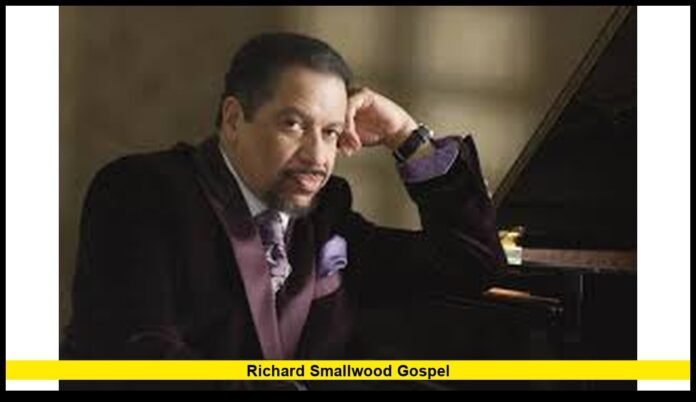

The influence of Richard Smallwood gospel music continues to shape American worship culture more than four decades after his rise to prominence. As of December 31, 2025, Richard Smallwood remains one of the most respected and transformative figures in gospel music history. His sound—an intricate blend of classical mastery and deep spiritual conviction—has redefined how faith and artistry coexist in sacred music.
A Musical Legacy Rooted in Faith and Excellence
Born on November 30, 1948, in Atlanta, Georgia, Richard Smallwood grew up surrounded by both faith and music. His mother, Mabel Ruth Smallwood, was a devout believer who nurtured his talent from childhood. By the time he was five, Smallwood could play the piano by ear; by ten, he was accompanying church choirs.
Those early experiences in worship services formed the foundation for what would become one of the most celebrated careers in gospel music. Smallwood’s unique ability to unite classical composition with traditional gospel expression made him a pioneer—bridging two musical worlds that, before him, rarely intersected so seamlessly.
After high school, he attended Howard University, where his gifts flourished. Smallwood earned dual degrees in classical piano and vocal performance, developing a rare musical sophistication that set him apart. He later pursued graduate studies in ethnomusicology, further deepening his understanding of how cultural traditions influence sound and worship.
The Birth of a Gospel Innovator
Richard Smallwood’s early vision for his music was clear: he wanted to elevate gospel to a level of artistry that rivaled classical performance while keeping it spiritually authentic. In 1977, he formed the Richard Smallwood Singers, a group that quickly captured national attention with its intricate harmonies and emotional depth.
Their self-titled debut album, The Richard Smallwood Singers (1982), marked the beginning of a new era in contemporary gospel. Featuring the beloved hit Angels Watching Over Me, the record showcased Smallwood’s refined arrangements and heartfelt delivery. The album received critical acclaim and introduced a sound that would influence countless artists for decades.
Richard Smallwood Gospel: The Power of Musical Fusion
What defines Richard Smallwood gospel is its unmistakable blend of technical precision and emotional resonance. His compositions often feature classical orchestration—piano flourishes, string arrangements, and choral layering—combined with the rhythmic soul of traditional gospel.
Songs like Total Praise, Center of My Joy, and I Love the Lord embody this signature style. They are musically complex yet spiritually accessible, appealing to audiences across denominations and generations. Each melody feels like a prayer set to symphony—deeply human, profoundly reverent, and musically brilliant.
This fusion didn’t just modernize gospel; it gave it global reach. Smallwood’s compositions have been performed in cathedrals, concert halls, and community churches worldwide, proving that sacred music can thrive both inside and beyond church walls.
Career Highlights and Achievements
Richard Smallwood’s career spans over five decades, marked by creativity, consistency, and unmatched influence.
Key milestones include:
- Formation of The Richard Smallwood Singers (1977): The ensemble became one of the most respected vocal groups in gospel history.
- Breakthrough album (1982): The Richard Smallwood Singers established his signature sound and introduced gospel audiences to a new level of musical refinement.
- Formation of Vision (1996): Smallwood created this new ensemble to continue his ministry through innovative live performances.
- Iconic albums: Adoration: Live in Atlanta (1996), Persuaded: Live in D.C. (2001), and Promises (2011) are among his most acclaimed recordings.
- Awards and recognition: Multiple Grammy nominations, Stellar Awards, and induction into the Gospel Music Hall of Fame affirm his cultural and artistic significance.
Each milestone reflects Smallwood’s unwavering dedication to creating music that uplifts, educates, and glorifies God.
The Spiritual Heart of His Work
Richard Smallwood’s compositions have always carried deep spiritual weight. His songwriting often emerges from personal reflection and prayer, allowing listeners to feel the emotional honesty behind each lyric.
Total Praise, perhaps his most recognized piece, was born out of a period of grief and uncertainty. Rather than despair, Smallwood turned to faith, writing a song that has since become an anthem of gratitude and surrender. Its timeless refrain—“You are the source of my strength, You are the strength of my life”—is sung in churches across the world every week.
Similarly, Center of My Joy celebrates divine love as the foundation of peace and fulfillment. These songs remind believers that worship can be both personal and collective, both art and testimony.
Collaborations and Influence Across Generations
Throughout his extraordinary career, Richard Smallwood has not only shaped the sound of gospel music but also built bridges across genres, generations, and cultures. His influence extends far beyond his own recordings, reaching artists in gospel, R&B, classical, and even pop music. What makes Smallwood’s legacy so profound is his rare ability to inspire both spiritual devotion and musical excellence in equal measure.
His compositions—reverent yet musically sophisticated—have become the gold standard for choir directors, soloists, and composers worldwide. From the 1980s to the present day, his works have been performed, recorded, and reinterpreted by artists spanning multiple generations of gospel and soul music.
A Network of Musical Greats
Richard Smallwood’s collaborations read like a who’s who of gospel and soul royalty. His artistry has drawn some of the most respected names in music to his compositions—each finding in his songs a depth that speaks directly to the heart.
Among those he has worked with or inspired are:
- Yolanda Adams – Known for her dynamic vocals and crossover success, Adams has often cited Smallwood as one of her key influences. She has performed his works on several major stages, capturing their emotional and spiritual intensity.
- Whitney Houston – One of the most powerful voices in modern music, Houston drew inspiration from gospel’s rich harmonies, including Smallwood’s arrangements. His music helped shape the spiritual tone that defined much of her vocal expression, particularly in her early church performances.
- Aretha Franklin – The Queen of Soul, who began her career singing gospel, performed several of Smallwood’s compositions in her later years, finding in them the same soulful depth that characterized her own music.
- Donald Lawrence – A celebrated producer and choir director, Lawrence has carried forward Smallwood’s tradition of excellence in vocal arrangement and orchestral composition. He has often acknowledged Smallwood as a foundational influence on his own work.
- CeCe Winans – The multi-award-winning gospel artist has performed songs that reflect Smallwood’s signature fusion of elegance and emotion, and she has frequently spoken about the profound inspiration she draws from his catalog.
- Kirk Franklin – While Franklin revolutionized modern gospel with contemporary flair, he has consistently credited pioneers like Smallwood for paving the way for creative freedom within the genre.
- Hezekiah Walker – Known for his high-energy choir performances, Walker has recorded and performed Smallwood’s songs with reverence, ensuring that classic gospel traditions remain vibrant in modern worship.
- Tasha Cobbs Leonard – A leading voice in today’s gospel scene, Cobbs Leonard often references the influence of Smallwood’s worship-driven style in her own songwriting.
Each of these artists, whether performing on stage or recording in the studio, carries traces of Richard Smallwood’s musical DNA—his intricate harmonies, classical precision, and profound spiritual storytelling.
Mentorship and Musical Lineage
Beyond formal collaborations, Richard Smallwood has served as an informal mentor to countless younger artists. His openness and humility have made him a guiding figure for emerging gospel musicians seeking to balance creativity with authenticity.
Many gospel artists who rose to fame in the 1990s and 2000s credit Smallwood’s work with shaping their approach to songwriting and performance. His influence is especially evident in the way modern gospel integrates orchestral textures, dynamic key changes, and layered choral arrangements—all hallmarks of his compositional style.
Smallwood’s mentorship extends beyond advice or collaboration; it is embedded in the musical language he created. Each new generation that sings Total Praise, I Love the Lord, or Center of My Joy becomes part of a living legacy—one that continues to evolve without losing its spiritual core.
Inspiration Beyond Gospel
While Richard Smallwood is deeply rooted in gospel, his impact has reached far beyond church walls. Musicians from classical, jazz, and R&B backgrounds frequently study and perform his music for its technical mastery and emotional range.
Classical conductors have praised his harmonic structure for its complexity and depth, often comparing his writing to the works of European choral composers. His music has even been featured in concert halls and symphony performances, where audiences unfamiliar with gospel are captivated by the beauty and discipline of his arrangements.
Jazz musicians have also drawn inspiration from his melodic lines and chord progressions, which often incorporate modal shifts and unexpected resolutions. Smallwood’s compositions blur genre boundaries, proving that gospel can be as intellectually rich as it is emotionally stirring.
His works demonstrate that faith-based music need not be musically simple to be powerful. Instead, he shows how technical excellence can amplify the message of hope, love, and divine connection.
Richard Smallwood in Academic Study
In universities and conservatories across the United States, Richard Smallwood’s music is part of the curriculum for students of both gospel and classical composition. His songs are used to teach everything from harmony and voice leading to emotional phrasing and performance expression.
Music scholars highlight Smallwood as a bridge between sacred and secular music traditions. His ability to merge gospel passion with classical form challenges long-held assumptions about genre divisions. Many professors use his works to illustrate how spirituality and musical intellect can coexist without compromise.
Choir directors and music educators often introduce Smallwood’s works to students as examples of discipline and excellence. For aspiring vocalists, performing one of his songs is both a technical challenge and a spiritual experience.
Even outside the classroom, professional musicians reference Smallwood’s compositions as templates for building emotionally resonant performances. His meticulous attention to detail—from chord voicing to dynamic contrast—teaches musicians how to use every musical element to convey meaning.
Influence Across Time and Style
Richard Smallwood’s influence stretches across multiple eras of gospel, from the traditional choir movements of the 1970s to the digital and cross-genre collaborations of today. His impact can be heard in the works of both seasoned gospel veterans and emerging artists who continue to reinterpret his timeless style.
His music has inspired gospel choirs to adopt higher musical standards, encouraging precise intonation, expressive phrasing, and disciplined artistry. Even in an age of digital production and contemporary beats, his arrangements remain benchmarks of vocal and instrumental excellence.
Moreover, Smallwood’s legacy reaches into contemporary Christian and inspirational music, influencing songwriters who aim to blend powerful messages of faith with complex musical textures. His success has shown that gospel can thrive beyond church audiences while maintaining its spiritual essence.
Crossover Appeal and Timelessness
One of the most extraordinary aspects of Smallwood’s career is how effortlessly his work transcends time and style. His songs have been covered by artists from varying musical backgrounds, each interpreting them through their own lens while preserving their sacred emotion.
For example, classical choirs have performed Total Praise with full orchestration, while jazz ensembles have reimagined Center of My Joy with improvisational flair. Contemporary worship leaders include his compositions in modern services, blending traditional gospel roots with contemporary arrangements.
This versatility speaks to the universal truth embedded in Smallwood’s work: the music’s core message—faith, gratitude, and hope—resonates across boundaries of genre, age, and culture.
Legacy of Inspiration
Through collaboration, mentorship, and artistic excellence, Richard Smallwood has done more than compose music—he has created a musical language of worship. His songs have become bridges connecting classical precision with gospel fervor, and his influence continues to echo through the work of those he has inspired.
For many younger musicians, performing or recording a Richard Smallwood song is both a tribute and a rite of passage. His music demands not only technical skill but also sincerity, reminding performers that gospel’s ultimate purpose is to lift hearts and glorify God.
Even decades after his debut, Smallwood’s collaborations and influence remain evident across the entire spectrum of gospel and beyond. From legendary icons to rising stars, his artistry continues to inspire musicians to strive for greatness while staying rooted in faith.
Richard Smallwood’s Role as a Mentor and Leader
Beyond his role as a performer, Smallwood has served as a mentor to countless younger musicians, choir directors, and composers. His leadership emphasizes excellence, humility, and spiritual purpose.
He often tells aspiring artists that gospel music is more than performance—it is ministry. He encourages them to view their talents as a divine calling rather than a platform for fame. Many successful gospel artists today credit Smallwood with teaching them the importance of musical discipline and emotional sincerity in worship.
A Composer of Global Reach
Richard Smallwood’s gospel compositions have crossed cultural and linguistic barriers. Choirs in Africa, Europe, Asia, and the Caribbean regularly perform his works, often translating lyrics while maintaining the original musical structure.
His masterpiece Total Praise has been featured in royal events, televised concerts, and state ceremonies. In the United States, it is frequently performed at significant national moments, from presidential celebrations to memorial services, underscoring its universal message of faith and gratitude.
Through this global reach, Smallwood has elevated gospel music into a form of international worship, connecting believers through melody and message.
Personal Life and Reflections
Although Richard Smallwood’s life has been spent largely in the public eye, his personal journey reveals a man defined not by fame, but by humility, faith, and perseverance. Beneath the stage lights and accolades, Smallwood has walked a path marked by both triumph and trial—a journey that has shaped not only his artistry but also his profound connection to God and his audience.
Throughout his career, Smallwood has been candid about his struggles with depression, grief, and personal loss. In interviews and public appearances, he has spoken with remarkable honesty about his emotional and mental health battles, breaking down stigmas that often surround such conversations within faith communities. For him, vulnerability has never been a weakness but a form of ministry—an opportunity to let others know they are not alone in their pain.
Rather than hiding behind his success, Smallwood has used his experiences as creative and spiritual fuel. Many of his most beloved songs were born out of deeply personal moments of brokenness and restoration. The anthemic Total Praise, for example, emerged from a period of emotional exhaustion and sorrow, yet it radiates unwavering faith and gratitude. That paradox—of pain transformed into worship—has become a defining feature of his work.
Faith Through Adversity
Smallwood’s life demonstrates that even those with immense talent and influence face hardship. He has described how his faith became his anchor during seasons of depression and self-doubt, when his only comfort was the act of composing. In his words, “God gave me melodies before I had words, and sometimes the music carried me through when I couldn’t pray.”
Through those dark periods, songwriting became a form of prayer. Each note and lyric reflected his search for peace, healing, and divine understanding. His music often speaks directly to those themes—songs like Trust Me and I Love the Lord communicate an honesty that transcends performance, offering listeners both empathy and encouragement.
Friends and colleagues describe Smallwood as both introspective and deeply compassionate. His openness about emotional pain has allowed others, especially within church communities, to approach their struggles with new honesty. In this way, his ministry extends far beyond the pulpit or concert hall—it reaches into the realm of human experience itself.
A Life of Reflection and Gratitude
In 2019, Richard Smallwood published his autobiography, Total Praise: The Autobiography of Richard Smallwood, a deeply revealing and heartfelt chronicle of his life. The book gave readers a transparent view of his journey—from a musically gifted child growing up in Washington, D.C., to becoming one of the most celebrated composers in gospel music history.
In his memoir, Smallwood reflects on pivotal moments that shaped his life: his mother’s unwavering support, his early days at Howard University, the formation of the Richard Smallwood Singers, and his eventual rise to international acclaim. But the book’s power lies in its vulnerability. He writes openly about heartbreak, personal insecurities, and the challenges of balancing faith with the pressures of success.
Critics and fans alike praised the autobiography for its spiritual insight, emotional depth, and authenticity. Readers described it as more than a story—it was a testimony. Through its pages, Smallwood invited others to witness not only his achievements but also his moments of weakness, and how God’s grace met him there.
The title Total Praise was fitting not just as a reference to his iconic song, but as a reflection of his life philosophy: to offer every joy and sorrow back to God in gratitude.
The Role of His Mother and Faith Foundation
One of the most consistent themes in both his interviews and writing is his deep affection for his late mother, Mabel Ruth Smallwood. She was his first piano teacher, spiritual guide, and constant source of support. Her passing in 2005 deeply affected him, yet it also inspired some of his most moving compositions.
Smallwood has often shared that his mother’s faith laid the foundation for his own spiritual life. Her prayers, encouragement, and example of perseverance became his model for resilience. He frequently performs songs that honor her legacy, reminding audiences that his greatest lessons came not from fame, but from family and faith.
In his performances, Smallwood sometimes pauses to speak about her influence, describing how her unwavering belief in God sustained him through every difficult chapter. Even in moments of loss, he channels her strength through his music, turning sorrow into praise.
Ministry Beyond Music
Though Richard Smallwood is a world-renowned musician, he has always viewed his career as a calling, not a profession. To him, every composition, performance, and recording is an act of worship—a way to bring others closer to God.
He continues to mentor young musicians, often reminding them that talent without humility and spiritual grounding is incomplete. His philosophy is simple yet profound: “Music is the vehicle, but ministry is the destination.”
This perspective has shaped the way he leads choirs, collaborates with other artists, and interacts with his audiences. Whether performing for thousands in a concert hall or for a small church gathering, Smallwood approaches every moment as sacred. His focus is not on entertainment but on transformation—creating a space where people can encounter healing through song.
Even in semi-retirement, Smallwood remains deeply involved in gospel events, church conferences, and workshops. His presence commands respect, not just because of his achievements, but because of his authenticity and servant-hearted leadership.
The Healing Power of Music
For Richard Smallwood, music is more than an artistic expression—it is a form of spiritual therapy. Throughout his life, he has described how melodies often came to him during his most difficult seasons, serving as a lifeline between despair and faith.
He has shared how composing helped him cope with grief, particularly after losing close friends and family members. Rather than succumbing to despair, he channeled those emotions into music that comforted not only himself but also millions of listeners.
Songs like Healing and The Resurrection Medley reflect his belief in music’s power to restore the human spirit. He often says that when words fail, melody becomes prayer—and through that prayer, healing begins.
This understanding of music’s restorative capacity has made Smallwood’s work deeply personal for his audiences. Listeners often write to him or approach him after performances to share how his songs helped them through illness, loss, or loneliness. For him, those testimonies are the true measure of success.
A Life of Purpose and Gratitude
Despite the challenges he has faced, Richard Smallwood’s outlook remains one of unwavering gratitude. He frequently expresses awe that his music continues to impact lives worldwide. Rather than focusing on accolades, he views every song, every performance, and every listener touched by his music as a blessing.
Even in his seventies, Smallwood maintains a schedule that reflects balance and purpose. He dedicates time to spiritual reflection, creative writing, and mentorship while continuing to perform selectively. Each appearance serves as both a concert and a ministry moment—an opportunity to remind audiences of God’s enduring faithfulness.
Smallwood’s resilience is evident not just in his longevity, but in his ability to keep creating with sincerity and joy. Through hardship and triumph alike, he has held fast to his belief that his gift exists for a higher purpose.
An Enduring Example of Faith in Action
Today, Richard Smallwood’s personal story stands as a testimony of perseverance through faith. His openness about mental health, his devotion to family, and his commitment to uplifting others have made him not only a musical icon but also a spiritual role model.
For millions who listen to his music, he represents the power of redemption—the idea that beauty can rise from pain and that every trial can produce something eternal. His life reminds the world that even in brokenness, worship can thrive, and faith can endure.
Continuing Influence and Modern Recognition
As of 2025, Richard Smallwood remains an active and celebrated figure in gospel music. Though he performs less frequently, his music continues to thrive across digital platforms, radio, and live worship.
His catalog remains one of the most performed in church choirs across the United States. Total Praise, Anthem of Praise, and I Love the Lord consistently rank among the top-requested gospel songs in worship programs.
In recent years, his contributions have been honored by major cultural and academic institutions. The Smithsonian National Museum of African American History and Culture has featured his works as part of its gospel heritage exhibits. Music educators across the nation reference his compositions as examples of gospel’s intersection with classical theory and African American spiritual tradition.
Richard Smallwood’s Enduring Message
The beauty of Richard Smallwood gospel music lies in its timeless message. Every composition, whether grand and orchestral or intimate and reflective, centers on one truth: faith sustains and transforms.
His music does not merely entertain—it ministers. It has comforted mourners, inspired believers, and introduced non-religious audiences to the power of gospel’s emotional depth.
Smallwood’s melodies remind listeners that excellence and humility can coexist, and that the highest form of artistry is often born from devotion.
Why His Legacy Matters Today
In a modern gospel landscape filled with evolving styles and production trends, Richard Smallwood’s legacy endures as a benchmark of authenticity. His music continues to inspire not only church congregations but also new generations of musicians seeking substance in their craft.
He stands as a reminder that gospel music, at its best, connects intellect and soul—offering worship that engages the heart and mind. His commitment to integrity and musical quality ensures that his influence will persist long after his final note is played.
Final Thoughts
The story of Richard Smallwood gospel is one of grace, excellence, and devotion. His compositions have become part of the very fabric of American worship, transcending time and style. Through decades of change, his music continues to point hearts toward faith and hope.
As 2025 concludes, Richard Smallwood’s gospel legacy remains not just a chapter in music history, but an ongoing testimony to the enduring power of faith expressed through sound.