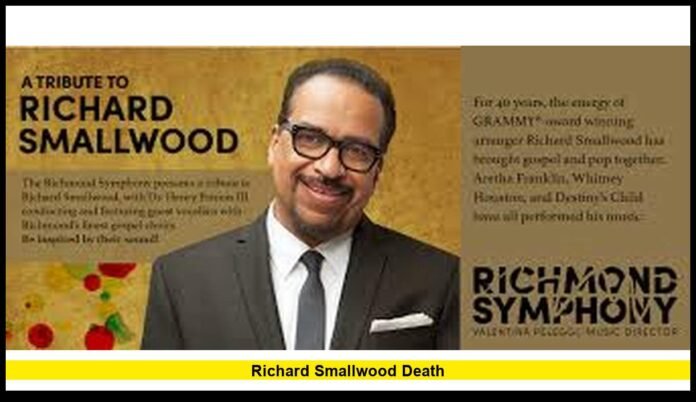

Richard Smallwood death has deeply affected the gospel music community across the United States as the celebrated composer, pianist, and choir director passed away at the age of 77 on December 30, 2025. Known for shaping the sound of modern gospel music, Smallwood’s passing has prompted an outpouring of reflection, remembrance, and gratitude for a career that influenced worship services, choirs, and listeners for generations.
His music was not only heard but felt. From churches in small towns to major concert halls, Smallwood’s compositions became a shared spiritual language for millions. As news of his death spread, churches paused, choirs gathered, and fans revisited the songs that helped define moments of faith, struggle, and praise.
Confirmed Details Surrounding His Passing
Richard Smallwood died in Sandy Spring, Maryland, where he had been receiving care in recent months. He passed away peacefully following complications related to kidney failure. His age at the time of death was 77.
Family members confirmed the news, and the announcement was quickly shared throughout gospel music circles. The confirmation brought clarity, but it also marked a moment of collective mourning for a figure whose work had become deeply woven into American religious and cultural life.
A Childhood Shaped by Music and Faith
Born on November 30, 1948, in Atlanta, Georgia, Richard Smallwood later moved to Washington, D.C., where his musical identity began to take shape. Church played a central role in his upbringing, and music quickly became his primary form of expression.
He demonstrated exceptional talent at a young age, particularly in piano performance. His early exposure to classical music, combined with the rich traditions of Black church worship, helped define the style that would later distinguish his work.
This balance between technical precision and spiritual emotion would become the hallmark of his career.
Howard University and the Foundation of His Career
Richard Smallwood’s time at Howard University proved pivotal. While studying vocal performance and piano, he also began developing a vision for gospel music that was structured, harmonically rich, and emotionally direct.
During this period, he co-founded Howard University’s first gospel choir. The ensemble became a testing ground for his ideas and compositions. It was also where he refined his leadership style, emphasizing discipline, musical excellence, and spiritual authenticity.
The experience laid the groundwork for his professional journey and set him apart from many of his contemporaries.
The Rise of The Richard Smallwood Singers
In 1977, Smallwood formed The Richard Smallwood Singers in Washington, D.C. The group quickly gained recognition for its polished sound and powerful arrangements.
Unlike many gospel ensembles of the time, Smallwood’s choir leaned heavily into classical structure while maintaining the emotional core of gospel tradition. This approach helped elevate choir music and attracted listeners beyond traditional church audiences.
The ensemble became a launching pad for his most influential recordings and established his reputation as a visionary in gospel music.
Albums That Changed the Sound of Gospel
Over the next several decades, Richard Smallwood released a steady body of work that reshaped contemporary gospel music. His albums were widely performed, recorded, and studied by choirs across the country.
What set his music apart was its depth. Each composition reflected careful musical construction paired with deeply rooted spiritual themes. His songs addressed praise, trust, perseverance, and gratitude without sacrificing musical complexity.
As gospel music evolved, Smallwood’s work remained a reference point for excellence.
Songs That Became Part of Worship History
Several of Richard Smallwood’s compositions achieved a rare status: they became timeless.
Total Praise
“Total Praise” emerged as one of the most frequently performed gospel songs in the United States. Its opening piano progression and reflective lyrics made it a centerpiece in worship services during moments of prayer, reflection, and celebration.
I Love the Lord
This joyful and expressive composition reached audiences far beyond church walls. Its inclusion in a major film soundtrack introduced Smallwood’s work to millions of new listeners and cemented his place in mainstream gospel culture.
Center of My Joy
Another standout piece, this song offered reassurance and hope, making it a favorite during services focused on healing and renewal.
Together, these songs formed a musical legacy that continues to resonate.
Recognition and Honors
Throughout his career, Richard Smallwood received numerous honors acknowledging his contributions to gospel music. His work earned multiple industry awards and several Grammy nominations, reflecting recognition at the highest levels of music achievement.
In 2006, he was inducted into the Gospel Music Hall of Fame. The honor recognized not just individual songs, but a lifetime of influence that shaped how gospel music is written, performed, and experienced.
His performances for U.S. presidents and international audiences further highlighted the reach of his work.
A Personal Life Rooted in Purpose
Richard Smallwood remained private about much of his personal life. He never married and devoted most of his time to music, faith, and mentorship.
Those who worked closely with him often described a man deeply committed to discipline, preparation, and spiritual integrity. His approach to music was deliberate, and he expected the same dedication from those around him.
Despite personal challenges over the years, he continued to produce music that uplifted others, often drawing from his own experiences to create works that felt honest and deeply human.
Immediate Response From the Gospel Community
The announcement of Richard Smallwood’s death prompted swift reaction across the gospel world. Choir directors shared rehearsal clips of his music. Pastors referenced his lyrics during services. Artists expressed gratitude for the influence he had on their careers.
Across social media, fans posted memories of singing his songs in church, attending his concerts, or finding comfort in his music during difficult seasons.
The response reflected the deep emotional connection many people felt to his work.
Early Memorial and Tribute Plans
In the days following his passing, early memorial plans began to take shape. A service is being organized in the Maryland area to allow family, friends, and members of the gospel community to gather and pay their respects.
The planned observances include musical tributes and ceremonial elements reflecting Smallwood’s lifelong dedication to faith and fellowship. Additional public events are expected to be announced as arrangements continue.
These early plans indicate a celebration of life that mirrors the values Smallwood carried throughout his career.
Why His Music Endures
Richard Smallwood’s influence endures because his music addressed universal human experiences. His songs spoke to joy, struggle, patience, and hope.
Choirs continue to perform his work because it challenges singers while rewarding listeners. Music educators study his arrangements for their complexity. Worship leaders rely on his compositions during moments that call for depth and sincerity.
His music did not chase trends. Instead, it established standards.
A Timeline of a Remarkable Life
1948 – Born in Atlanta, Georgia
1970s – Studied at Howard University and helped establish its gospel choir
1977 – Formed The Richard Smallwood Singers
1980s–1990s – Released influential albums performed nationwide
1996 – “Total Praise” became a defining gospel anthem
2006 – Inducted into the Gospel Music Hall of Fame
2025 – Passed away on December 30 at age 77
The Lasting Meaning of Richard Smallwood Death
Richard Smallwood death marks more than the loss of a musician. It represents the passing of a guiding voice in American gospel music. His influence shaped worship, inspired excellence, and created a body of work that continues to speak long after his final performance.
As choirs sing his songs and listeners return to familiar melodies, his presence remains. His music continues to teach, comfort, and uplift — exactly as he intended.
Which Richard Smallwood song holds special meaning for you? Share your thoughts and join the conversation as we reflect on his lasting legacy.