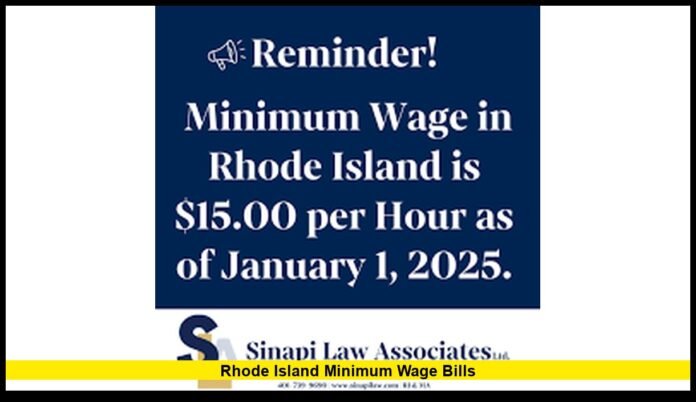

Rhode Island minimum wage bills are gaining traction in 2026 as state lawmakers debate new proposals that could push wages above the current $15.00 per hour. These bills reflect renewed urgency to address rising living costs and shifting economic conditions affecting workers across the state.
Where the Minimum Wage Stands Now
Rhode Island’s minimum wage officially reached $15.00 per hour on January 1, 2026. This milestone followed a multi-year plan approved earlier in the decade.
The increase placed Rhode Island among the higher-paying states nationwide. Still, many policymakers now argue that inflation and housing costs have quickly reduced the value of that wage.
What the 2026 Bills Are Proposing
Several Rhode Island minimum wage bills introduced this legislative session aim to build on the $15 base. While each proposal differs, most share similar goals.
Key ideas under discussion include:
- Raising the minimum wage beyond $15 per hour in stages
- Linking future increases to inflation
- Speeding up wage adjustments compared to previous timelines
- Offering phased rollouts to reduce pressure on small businesses
Some lawmakers are also reviewing whether certain industries should follow different timelines, though no final decisions have been made.
Why the Issue Is Back on the Table
The push for higher wages did not stop once $15 was reached. Economic conditions have continued to evolve, prompting lawmakers to revisit the issue sooner than expected.
Several factors are driving this renewed focus:
- Housing costs remain high: Rent and home prices continue to strain household budgets
- Inflation impact: Everyday expenses, including groceries and utilities, have increased
- Workforce challenges: Employers report difficulty hiring and retaining staff
- Regional competition: Nearby states are exploring or implementing higher wage standards
These pressures have made wage policy a central issue in the 2026 legislative session.
Supporters Say Higher Wages Are Necessary
Advocates argue that increasing wages further would help workers keep up with real expenses. They believe the current rate no longer reflects economic reality.
Supporters highlight several expected outcomes:
- Stronger financial stability for working families
- Increased local spending that supports small businesses
- Reduced dependence on public assistance programs
- Improved employee retention and morale
Labor groups continue to push for faster action, saying delays could widen economic gaps.
Opposition Raises Economic Concerns
Not everyone agrees on raising wages beyond $15. Business owners and some policymakers warn about possible downsides.
Their concerns include:
- Rising payroll costs for employers
- Potential increases in prices for goods and services
- Reduced hiring or fewer work hours
- Greater strain on small businesses with tight margins
Some opponents suggest a slower approach or targeted relief programs to offset the impact.
Where the Bills Stand Right Now
As of late March 2026, the Rhode Island minimum wage bills remain under review in legislative committees. Lawmakers are actively discussing revisions and gathering feedback from both workers and business leaders.
The path forward typically includes:
- Committee hearings and possible amendments
- Votes in both legislative chambers
- Final approval and signing into law
If approved, any wage increases would likely be phased in over time rather than implemented all at once.
How Rhode Island Compares to Other States
Rhode Island already ranks among states with higher minimum wages. However, the national trend continues to shift upward.
Across the country:
- Several states are targeting wages above $16 per hour
- Inflation-based adjustments are becoming more common
- Competitive labor markets are driving faster wage growth
This broader movement is influencing Rhode Island lawmakers as they consider the next step.
Potential Impact on Workers and Businesses
If passed, these bills would have wide-reaching effects across the state.
For Workers
- Higher take-home pay
- Greater financial security
- Increased ability to manage rising costs
For Businesses
- Adjustments to payroll and pricing strategies
- Need for improved efficiency
- Possible changes in hiring practices
The overall impact will depend on how quickly increases are introduced and whether support measures are included.
What Happens Next
The legislative process is still unfolding. Lawmakers are expected to continue negotiations in the coming weeks.
Key developments to watch include:
- Committee decisions and amendments
- Final wage targets set in each bill
- Statements from state leadership
- Implementation timelines if approved
These steps will determine whether new wage increases become law in 2026.
Why This Matters Now
The debate around Rhode Island minimum wage bills highlights a larger national issue. States across the U.S. are grappling with how to balance fair wages and economic stability.
For Rhode Island, the outcome could shape the state’s workforce, business environment, and cost of living for years to come.
Stay tuned as the debate continues—your voice and perspective matter as these decisions take shape.