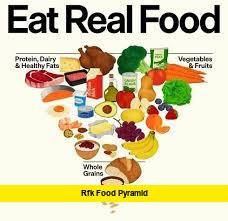

The introduction of the rfk food pyramid signals a historic change in how the federal government defines healthy eating in the United States. Released alongside the latest Dietary Guidelines for Americans, the redesigned model overturns decades of nutrition messaging and replaces it with a framework centered on whole foods, higher protein intake, and a sharp reduction in ultra-processed products. The shift is already shaping national conversations about health, food policy, and the daily eating habits of millions of Americans.
Rather than refining past recommendations, the updated guidance takes a fundamentally different approach. It reorders priorities, challenges long-standing assumptions about fats and carbohydrates, and places new emphasis on food quality over calorie counting. The result is a nutrition model that aims to address rising chronic disease rates while simplifying how Americans think about what belongs on their plates.
Why the Food Pyramid Was Reworked
Federal dietary guidance influences far more than individual meal choices. It determines how schools design lunch menus, how federal food assistance programs operate, and how healthcare providers counsel patients. For years, critics argued that previous models did not adequately reflect modern health challenges, including obesity, metabolic disease, and the dominance of processed foods in the American diet.
The revised pyramid was developed to respond to these concerns. Instead of encouraging Americans to build meals around grains and low-fat products, the new framework focuses on nutrient density, satiety, and metabolic health. Officials involved in shaping the guidance emphasized that many Americans were following past advice but still experiencing poor health outcomes.
A Pyramid Turned Upside Down
Visually and conceptually, the new pyramid breaks with tradition. The inverted structure places priority foods at the top, signaling what Americans should eat most often. Protein-rich foods, full-fat dairy, fruits, vegetables, and natural fats now occupy this prominent position.
Lower on the pyramid are whole grains, which remain recommended but no longer serve as the primary dietary foundation. At the very bottom sit refined carbohydrates, sugary snacks, and heavily processed foods, indicating that they should be consumed rarely, if at all.
This reordering reflects a belief that many modern health problems stem from excessive consumption of refined and industrially produced foods rather than from natural fats or responsibly sourced animal products.
Protein Moves to the Forefront
One of the most defining elements of the updated guidance is its emphasis on protein. The new recommendations encourage higher daily protein intake across age groups, with a focus on spreading protein consumption evenly throughout the day.
Animal-based proteins such as beef, poultry, fish, eggs, and dairy are prominently featured, alongside plant-based sources like beans and legumes. Unlike previous guidance, the new pyramid does not prioritize low-fat versions of these foods, instead emphasizing moderation, preparation methods, and overall dietary balance.
Supporters of this approach point to protein’s role in preserving muscle mass, supporting metabolism, and promoting fullness, particularly as Americans age. The shift also reflects growing recognition that protein needs vary widely based on activity level, health status, and life stage.
Rethinking the Role of Fats
The updated pyramid also changes how dietary fats are framed. Rather than treating fats as something to be minimized, the new guidance differentiates between naturally occurring fats in whole foods and fats added during industrial processing.
Fats found in dairy, meat, nuts, seeds, and avocados are presented as valuable components of a healthy diet. These fats contribute to hormone regulation, nutrient absorption, and long-lasting energy. In contrast, artificial and heavily refined oils commonly found in packaged foods are discouraged.
This shift marks a departure from the low-fat messaging that shaped American eating habits for decades and acknowledges that not all fats affect the body in the same way.
A Clear Message on Ultra-Processed Foods
Perhaps the strongest language in the new dietary guidance targets ultra-processed foods. These products, often designed for convenience and long shelf life, are now explicitly identified as foods to limit or avoid.
Ultra-processed items frequently contain added sugars, refined starches, preservatives, and artificial flavorings. The new guidelines link regular consumption of these foods to increased risk of obesity, type 2 diabetes, cardiovascular disease, and other chronic conditions.
By pushing these foods to the lowest tier of the pyramid, the guidance sends a clear signal that health outcomes improve when meals are built from whole, recognizable ingredients.
Added Sugars Lose Their Place
The updated dietary framework takes a firm stance on added sugars. Rather than suggesting moderation, the guidance states that added sugars are not required for a healthy diet.
Naturally occurring sugars in fruits and dairy are still considered acceptable, as they are accompanied by fiber, protein, and essential nutrients. Added sugars, however, offer calories without meaningful nutritional value and are associated with metabolic and dental problems.
This change reinforces efforts to reduce sugary drinks, desserts, and sweetened snacks, particularly among children and adolescents.
Fruits and Vegetables Remain Essential
Despite the focus on protein and fats, fruits and vegetables remain central to the new pyramid. They are positioned near the top and continue to be recommended in generous amounts.
The guidance emphasizes variety, encouraging Americans to consume a wide range of colors and types to ensure adequate intake of vitamins, minerals, and antioxidants. Fresh, frozen, and minimally processed options are all included, making flexibility a key part of the message.
Whole Grains Still Have a Role
Whole grains have not been eliminated from the dietary model, but their role has been recalibrated. The new pyramid distinguishes clearly between intact whole grains and refined grain products.
Foods such as oats, brown rice, and whole wheat remain part of a balanced diet, while refined breads, pastries, and snack foods are discouraged. This approach aims to reduce blood sugar spikes and excessive calorie intake linked to refined carbohydrates.
Implications for Schools and Public Programs
The Dietary Guidelines for Americans guide meal planning across numerous federal programs. As a result, the new pyramid is expected to influence school lunches, childcare meals, military dining facilities, and food assistance offerings.
Schools may gradually introduce menus with higher protein content, fewer processed items, and reduced added sugars. Implementing these changes will require adjustments in food sourcing, kitchen training, and budgeting, particularly in large districts.
Because these programs serve millions of people daily, the impact of the new guidance extends well beyond individual households.
Leadership Behind the Shift
The reimagined pyramid aligns closely with the health policy vision of Robert F. Kennedy Jr., who has advocated for a national focus on food quality and disease prevention. His leadership has framed nutrition not just as a personal responsibility, but as a public health priority tied to long-term healthcare costs and national well-being.
While the guidance reflects contributions from scientific advisors, its final form also reflects policy decisions about how nutrition science should be translated into public recommendations.
Public Reaction and Ongoing Debate
Reaction to the new dietary guidance has been mixed. Many health advocates welcome the reduced emphasis on processed foods and added sugars, viewing it as a necessary correction to modern eating patterns.
Others express concern about the increased visibility of red meat and full-fat dairy, arguing that these foods should still be consumed with caution. These debates highlight ongoing disagreements within nutrition science and underscore the challenge of crafting one set of guidelines for a diverse population.
Cost, Access, and Practical Challenges
As Americans digest the new advice, questions about affordability and access have emerged. Whole foods and quality protein sources can be more expensive and harder to obtain in some communities.
Officials have acknowledged these concerns and indicated that future efforts will focus on improving food access and aligning nutrition guidance with economic realities. The success of the new pyramid will depend in part on how well these challenges are addressed.
What the New Guidance Means at Home
For households, the message of the rfk food pyramid is straightforward: prioritize meals built from protein, vegetables, fruits, and natural fats, and reduce reliance on packaged foods.
Rather than focusing on strict rules or calorie limits, the guidance encourages Americans to think about where their food comes from, how it is prepared, and how it supports long-term health.
A New Chapter in U.S. Nutrition Policy
The updated food pyramid represents one of the most consequential changes to federal nutrition advice in recent memory. By reordering dietary priorities and emphasizing whole foods, the guidance aims to address chronic disease at its roots.
How Americans, schools, healthcare providers, and policymakers respond will determine whether this new approach leads to meaningful improvements in national health outcomes.
Do you see this new food pyramid changing how you eat or shop for groceries? Share your thoughts and stay connected as this nutrition shift continues to shape American life.