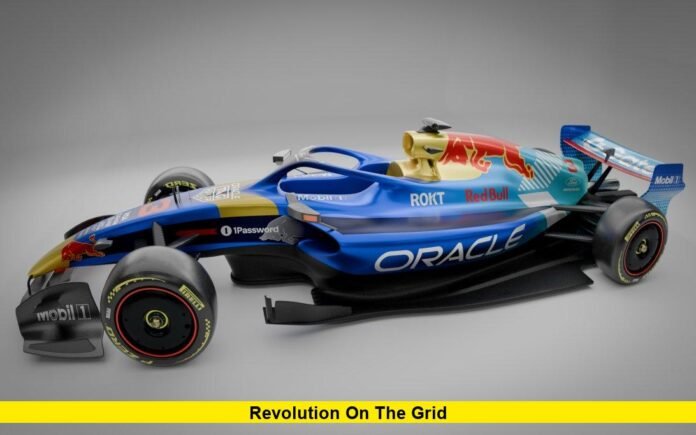

The red bull livery reveal 2026 in Detroit has ushered in one of the most significant transitions in Formula 1 history, combining bold design, innovative engineering, and the launch of a new powertrain era. In a high-profile event staged in Michigan, Red Bull Racing and its sister team unveiled their liveries for the upcoming season and officially kicked off a major technical partnership that will redefine the team’s competitive strategy. From visual identity to engine development, this launch marks a decisive break from the past and sets the stage for a championship-focused 2026 campaign.
This year’s launch stands apart not just for the striking appearance of the cars, but for what it represents. Red Bull is entering its first season with its own power unit program in collaboration with a major American manufacturer, signaling a shift in Formula 1’s global competitive landscape. Fans around the world are watching closely as the team prepares to translate promise into performance under an entirely new set of regulations and expectations.
Iconic Visual Refresh With Deep Heritage
The new Red Bull design is a dramatic departure from recent liveries. Rather than subtle evolution, the team opted for a vibrant and glossy color scheme that evokes elements of its earliest years in Formula 1. The finish stands out under lights and cameras, making the car instantly recognizable on and off the track. This fresh appearance isn’t just aesthetic — it’s compliant with new regulatory mandates requiring more surface coverage by paint or decals, a rule change aimed at enhancing visual appeal while limiting exposed carbon fiber areas.
This visual reboot coincides with a fresh strategic outlook. By embracing bold color contrasts and a more reflective surface, the design enhances visibility for sponsors and television audiences alike. The theme bridges the team’s rich racing heritage with the cutting edge of today’s aerodynamic and branding demands.
A Powertrain Revolution: Red Bull Ford Powertrains Takes Charge
A centerpiece of the Detroit launch was the debut of Red Bull’s new power unit initiative. After years of relying on third-party engine suppliers, Red Bull is stepping into a new era by taking full control of its power unit program in partnership with a major U.S. manufacturer. This collaboration marks the return of a legendary automotive name to the pinnacle of global motorsport, working alongside Red Bull’s own engineering team to develop critical elements of the next-generation hybrid power unit.
Under the new technical regulations for 2026, Formula 1 engines maintain the familiar turbocharged V6 layout while emphasizing electric power and sustainable fuel use. The hybrid systems are significantly more powerful, and teams are adapting to the removal of certain energy recovery components previously in use. In this context, the partnership brings expertise in electric motor development, energy recovery systems, and advanced manufacturing that could give Red Bull an edge as it adapts to these sweeping changes.
This integration of chassis and powertrain development under one umbrella reflects a strategy aimed at minimizing compromises and accelerating performance gains throughout the season. The combined resources and technical knowledge also underscore a renewed focus on innovation within the team’s technical leadership.
Driver Lineup Strengthens Title Aspirations
At the heart of Red Bull’s 2026 campaign will be a blend of proven excellence and rising talent. Four-time world champion Max Verstappen returns to lead the team’s charge, this time under the banner of a bold new technical direction. Verstappen’s presence brings continuity and championship pedigree to a program in transition.
Joining him is Isack Hadjar, who steps up from Red Bull’s junior squad after a promising rookie season that included a podium finish. Hadjar’s promotion reflects Red Bull’s commitment to nurturing talent from within its broader racing ecosystem. Together, Verstappen and Hadjar form a complementary pairing that balances experience with dynamic potential.
This lineup underscores Red Bull’s determination to compete at the highest level as the sport enters an era of parity and technological disruption.
Why Detroit Was the Perfect Stage
Choosing Detroit as the launch venue was a deliberate and symbolic decision. The city’s storied automotive heritage and its role as home to the partner manufacturer made it a fitting backdrop for the debut of a new chapter in Red Bull’s racing journey. The event brought together engineers, team leaders, and drivers to showcase not only the liveries but also the integrated vision guiding the team’s 2026 ambitions.
The launch drew global attention and emphasized Formula 1’s expanding footprint in North America, where interest in the sport has surged thanks to new races and growing fan engagement. More than a spectacle, the Detroit event set the tone for a season defined by technical evolution and fierce competition.
Understanding the New 2026 Formula 1 Regulations
The 2026 season introduces a range of regulatory changes affecting both the cars and engines. Technical rules now place a greater emphasis on hybrid power, sustainable fuel use, and simplified aerodynamic components designed to promote closer racing. These changes aim to balance performance with sustainability, cost management, and fan engagement.
For power units, the new rules increase the output of electric energy systems and redefine combustion engine roles. Teams must optimize energy deployment over race distance, necessitating close cooperation between chassis and engine departments. Red Bull’s strategy of internalizing engine development through a high-profile partnership reflects a belief that tighter integration will speed up problem-solving and performance advancements during the intense development cycle of a Formula 1 season.
Sister Team Shares the Spotlight
Not far behind the main team, Red Bull’s associated squad also revealed its 2026 design during the Detroit event. This team, part of the Red Bull stable and powered by the same new power unit package, will bring its own unique energy to the grid with a roster of talent tuned for growth and competitiveness.
Their presence at the launch highlights the expanded footprint of Red Bull’s racing operations and reinforces the shared technological platform across both teams. This alignment of branding, engineering, and strategy ensures a unified approach that extends well beyond liveries and into every aspect of race performance.
Fan Excitement and Championship Expectations
Fan reaction to the new designs and powertrain direction has been energetic, with social media buzzing over the bold aesthetic choices and technical implications. Longtime supporters appreciate the nod to heritage, while newer followers are eager to see how the refreshed look and engineering direction translate to results on track.
The 2026 season arrives with heightened anticipation. With nearly every team facing a similar reset under the new regulations, early development and testing will set the tone for the championship battle. Red Bull’s focus on integrating powertrain and chassis development represents an ambitious bid to seize early advantages and maintain competitiveness throughout the season.
Testing and the Road Ahead
As the launch event concludes, all attention now turns to the testing sessions scheduled to begin later this month. These sessions will offer the first real glimpse of how the new cars handle in live conditions, revealing insights into reliability, aerodynamic behavior, and hybrid system performance.
For Red Bull, testing will be a crucial proving ground. Data gathered will inform setup adjustments, aerodynamic tweaks, and power delivery optimization. How quickly the team translates launch-week enthusiasm into on-track performance will be a key question for fans and analysts alike.
The Broader Impact on Formula 1
The 2026 livery unveil represents more than a seasonal kickoff. It reflects the shifting geography and competitive landscape of Formula 1, with increased manufacturer involvement and rising global interest. The return of notable automotive brands to the grid, coupled with evolving technological priorities, positions this season as a pivotal chapter in the sport’s evolution.
Red Bull’s approach — mercurial design choices paired with a deeply strategic engineering alliance — exemplifies the creative and competitive forces driving Formula 1 forward. As teams refine their machines and strategies in the weeks ahead, the Detroit reveal will stand as a defining moment of the 2026 campaign’s opening act.
What’s at Stake for the Upcoming Season
As the countdown to the first race continues, every detail from design to development matters. Red Bull’s bold choices — both visual and technical — have set high expectations. With a championship-winning driver at the helm and a promising teammate by his side, the team enters 2026 with renewed purpose.
The competition is expected to be intense, with multiple teams adapting to the new era simultaneously. Results in testing and early rounds will be closely watched as indicators of who has best harnessed the opportunities presented by the new regulations.