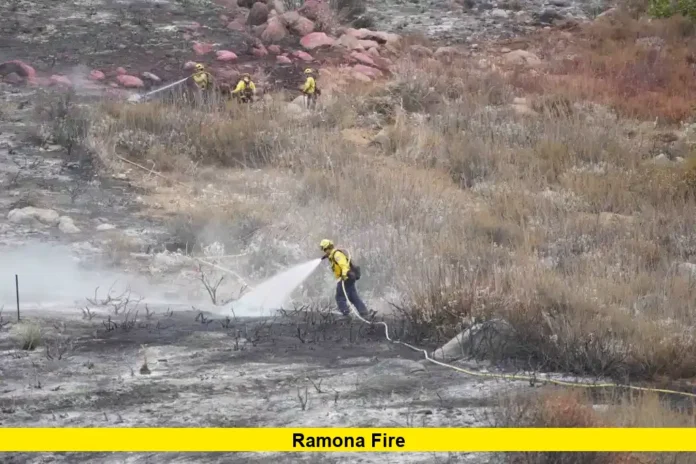

A Ramona fire prompted evacuation orders and warnings after a fast-moving brush fire broke out near the community of Ramona in San Diego County, California. Firefighters quickly responded with ground crews and aircraft as flames threatened nearby homes and dry vegetation during the peak of California’s wildfire season.
The incident drew significant public attention because of its rapid spread, emergency evacuations, and the potential risk to residential areas. Officials have continued to monitor conditions while urging residents in affected zones to follow evacuation instructions and stay informed through official emergency alerts.
Main Incident Overview
The wildfire, identified as the Creelman Fire, started near Creelman Lane in Ramona on July 22, 2026. According to official incident updates, the vegetation fire expanded rapidly in hot, dry conditions that are common across Southern California during the summer months.
Within hours of ignition, firefighters reported that the blaze had grown to approximately 40 acres while threatening nearby structures. Air tankers, helicopters, and multiple engine companies were assigned to slow the fire’s spread and protect homes.
Authorities emphasized that wildfire behavior can change quickly depending on weather conditions, terrain, and available fuels. Even relatively small fires may require significant firefighting resources when communities are at risk.
Evacuation Orders and Warnings
One of the most significant developments during the Ramona fire was the issuance of mandatory evacuation orders for several nearby areas.
Residents located within designated evacuation zones were instructed to leave immediately because of the immediate threat posed by the advancing fire. Additional surrounding neighborhoods were placed under evacuation warnings, giving residents time to prepare in case conditions deteriorated.
Emergency officials also established temporary evacuation facilities for displaced residents while providing accommodations for livestock and larger animals, reflecting Ramona’s rural landscape where many properties include horses and agricultural operations.
People living outside the evacuation areas were encouraged to avoid unnecessary travel near the incident to allow emergency crews to work safely.
Firefighting Response
Firefighters launched an aggressive attack soon after the fire was reported.
The response included:
- Multiple CAL FIRE engine companies
- Local fire departments
- Water-dropping helicopters
- Fixed-wing firefighting aircraft
- Bulldozers and hand crews
- Law enforcement officers assisting with evacuations and road closures
The combination of aerial and ground resources was intended to slow the fire’s forward progress while protecting homes located near the fire perimeter.
Fire crews also worked to establish containment lines around the blaze to reduce the possibility of additional spread.
Road Closures and Public Safety
The wildfire also resulted in several temporary road closures around Ramona to improve firefighter access and protect motorists from hazardous conditions.
Smoke reduced visibility in portions of the affected area, while emergency vehicles required clear routes for firefighting operations.
Officials encouraged residents to:
- Follow evacuation instructions immediately if ordered
- Avoid closed roads
- Stay updated through official emergency notifications
- Prepare emergency kits in advance during wildfire season
- Keep pets and livestock ready for possible evacuation
Emergency managers noted that early evacuation is often the safest option during rapidly evolving wildfire incidents.
Why Ramona Faces Elevated Wildfire Risk
Ramona has experienced numerous wildfire threats over the years because of its geography and climate.
Several factors contribute to the region’s elevated wildfire danger:
- Hot summer temperatures
- Extremely low humidity
- Dry grasses and brush
- Mountainous terrain
- Seasonal winds capable of rapidly spreading flames
Southern California frequently experiences periods of heightened fire danger during summer and fall when vegetation becomes increasingly dry.
Even relatively small ignition sources can produce fast-moving brush fires under these conditions.
Community Preparedness
Wildfire preparedness remains a priority for residents throughout San Diego County.
Emergency officials encourage homeowners to maintain defensible space around their properties by removing dry vegetation, trimming trees, and clearing combustible materials from areas immediately surrounding homes.
Families are also advised to prepare evacuation plans that include:
- Multiple evacuation routes
- Emergency supplies
- Prescription medications
- Important documents
- Pet supplies
- Communication plans for family members
These preparations can reduce evacuation delays when emergency orders are issued.
Current Status of the Fire
Fire conditions continued changing as firefighters worked to improve containment.
Official incident reports indicated that suppression efforts remained ongoing while crews strengthened containment lines and monitored hotspots.
The exact containment percentage may continue to change as additional assessments are completed.
Authorities have advised residents to rely on official emergency updates because wildfire conditions can shift rapidly depending on weather, wind direction, and firefighting progress.
If evacuation orders are modified or lifted, officials will issue updated notifications through county emergency management systems.
Public Interest and Community Impact
Wildfires near populated communities often generate widespread concern because they affect transportation, air quality, property safety, and local businesses.
The Ramona fire highlighted how quickly emergency responders coordinate among multiple agencies during wildfire incidents. Firefighters, sheriff’s deputies, emergency managers, and public works personnel all played important roles in protecting residents and supporting evacuations.
Smoke from vegetation fires may also affect communities well beyond the immediate fire area, particularly for people with respiratory conditions, older adults, and young children.
Residents outside evacuation zones were encouraged to monitor local air quality and reduce outdoor activity if heavy smoke developed.
Latest Updates
As of the latest official information available, firefighters remain engaged in suppression efforts while monitoring the fire perimeter.
Key developments include:
- The fire originated near Creelman Lane in Ramona.
- Multiple evacuation orders and warnings were issued for nearby communities.
- Firefighters deployed extensive ground and aerial resources.
- Structures were reported to be threatened during the initial stages of the incident.
- Road closures were implemented to support emergency operations.
- The cause of the fire remains under investigation, and no official determination has been announced.
Emergency officials continue encouraging residents to remain alert for updated evacuation information until the incident is fully contained.
Wildfire Awareness During California’s Fire Season
California’s wildfire season has become increasingly active in recent years due to prolonged drought, warmer temperatures, and abundant dry vegetation.
Residents living in wildfire-prone communities benefit from preparing before an emergency occurs rather than waiting until evacuation orders are issued.
Experts recommend maintaining emergency supply kits, registering for local emergency alerts, and reviewing evacuation plans each year before peak fire season.
Community preparedness remains one of the most effective ways to reduce risks during rapidly developing wildfire emergencies.
Final Thoughts
The Ramona fire serves as another reminder of how quickly brush fires can threaten communities in Southern California. Fast emergency response, coordinated evacuations, and public cooperation remain essential for protecting lives and property during wildfire incidents. While firefighters continue working toward full containment, residents should stay informed through official emergency updates and follow all instructions issued by local authorities.
Stay informed on developing wildfire news, and share your thoughts or local updates in the comments below.