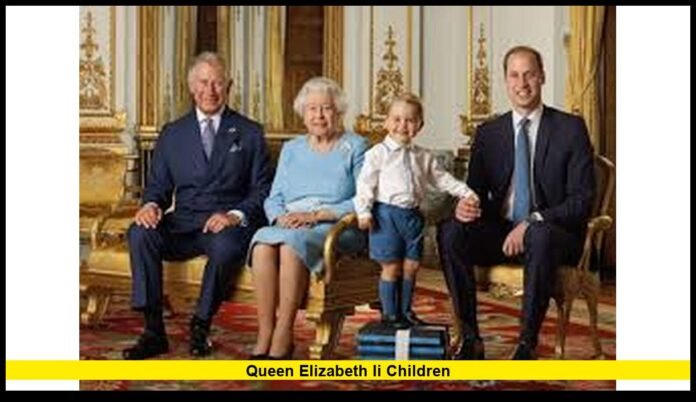

The lives and responsibilities of Queen Elizabeth II’s children continue to shape the direction of the British monarchy in 2026. Following the historic reign of their mother, each sibling holds a distinct position within royal life, reflecting continuity, change, and the evolving expectations placed on the institution.
Queen Elizabeth II and Prince Philip raised four children who grew up during one of the most closely watched royal eras in modern history. Today, their individual paths reveal how the monarchy transitioned after 2022 while preserving long-standing traditions.
The four siblings — King Charles III, Princess Anne, Prince Andrew, and Prince Edward — remain central figures in public discussion, royal duty, and the long-term legacy of the Crown.
The Royal Family’s Immediate Next Generation
Between 1948 and 1964, four royal births defined the future leadership of the monarchy. Each child experienced a unique upbringing shaped by public attention, royal expectations, and global change.
Their roles evolved over decades, shifting from young heirs to experienced representatives of the Crown.
Key facts:
- The eldest became monarch.
- One became known for unmatched work ethic.
- One stepped back from public duties.
- One gradually moved into a larger leadership role.
These different trajectories highlight how a single royal generation can influence institutional stability in multiple ways.
King Charles III — Leadership After a Historic Reign
King Charles III, born in 1948, spent more time as heir than any predecessor. That long preparation shaped his approach once he became sovereign in 2022.
His leadership style focuses on modernization while protecting tradition. Since his coronation in 2023, Charles has emphasized efficiency, environmental priorities, and a smaller working royal group.
Current focus areas:
- Constitutional duties across the United Kingdom.
- Support for sustainability initiatives.
- Representation of the monarchy during global events.
- Oversight of institutional reform.
Charles also continues long-standing charitable work developed during his decades as Prince of Wales. This continuity helps maintain stability during a generational shift.
Public perception of his reign remains tied to his ability to balance heritage with modernization — a theme closely connected to his siblings’ roles.
Princess Anne — Consistency and Public Service
Princess Anne, born in 1950, built a reputation for reliability early in her adult life. She remains one of the most active senior royals.
Her schedule often includes hundreds of engagements each year, spanning healthcare, military organizations, education, and sports.
Anne’s influence comes less from visibility and more from consistency. That approach has made her an essential support figure during leadership transitions.
Key characteristics of her role:
- Direct engagement with charities.
- Strong ties to equestrian and Olympic communities.
- Long-term patronages spanning decades.
- Frequent representation at official ceremonies.
In 2026, Anne continues to play a stabilizing role within royal operations, particularly as younger royals gradually assume more responsibilities.
Her working style reflects values associated with Queen Elizabeth II — discipline, routine, and duty.
Prince Andrew — A Reduced Public Position
Prince Andrew, born in 1960, once held a highly visible position within the monarchy. Over time, his public role changed significantly.
After stepping back from official duties, he no longer represents the monarchy at formal events. His title remains, but his responsibilities do not include public royal service.
This shift became a defining example of how the monarchy responds to public scrutiny and changing expectations.
Verified current position:
- Not part of the working royal structure.
- Limited public appearances.
- No official representation of the Crown.
Andrew’s changed status influenced broader decisions about streamlining royal duties and clarifying roles among senior family members.
His situation also contributed to discussions about accountability within modern royal life.
Prince Edward — Growing Responsibilities
Prince Edward, the youngest sibling, gradually moved into a more prominent role over the past decade. His public presence increased following the passing of Queen Elizabeth II.
In 2023, he became Duke of Edinburgh, reinforcing his connection to youth programs and global development initiatives linked to that title.
Edward is often described as dependable and steady, qualities that gained importance during the monarchy’s transition period.
Areas of focus:
- Youth development initiatives.
- Education and leadership programs.
- Support for cultural organizations.
- Representation at domestic and international events.
His partnership with his wife, Sophie, also strengthened the working royal group’s capacity.
Edward’s role illustrates how long-term preparation can lead to increased visibility later in life.
Sibling Dynamics and Institutional Stability
The relationship among the four siblings reflects decades of shared experience inside a highly structured institution. While their public roles differ, their collective history provides continuity.
This continuity matters during leadership transitions because it offers institutional memory — something crucial for a monarchy built on tradition.
Several themes define their dynamic:
- Loyalty to shared duty.
- Support for the reigning monarch.
- Independent charitable priorities.
- Different approaches to public visibility.
Together, they form a bridge between the late monarch’s era and the next generation of leadership.
Public Roles Compared
The distinction between working and non-working members shapes how the public interacts with each sibling.
Working roles:
- King Charles III leads constitutional and ceremonial duties.
- Princess Anne maintains one of the busiest engagement schedules.
- Prince Edward supports major programs and international initiatives.
Non-working role:
- Prince Andrew does not perform official duties.
This structure reflects the monarchy’s move toward clarity and efficiency.
Long-Term Influence on Charitable Networks
Each sibling contributes to extensive charitable ecosystems that span decades.
These networks include:
- Healthcare organizations.
- Youth leadership programs.
- Military charities.
- Sports and education initiatives.
- Cultural and heritage institutions.
The cumulative effect is significant. Many patronages remain closely tied to the siblings’ personal identities, reinforcing continuity even as leadership changes.
Princess Anne’s long-standing charity relationships stand out for their longevity, while Charles’s environmental work shaped global conversations long before it became mainstream.
Edward’s youth programs influence thousands of participants worldwide each year.
Media Attention and Public Interest
Interest in the siblings remains strong due to several factors:
- Ongoing leadership under King Charles III.
- Recognition of Princess Anne’s workload.
- Continued discussion about Prince Andrew’s status.
- Growing visibility of Prince Edward.
Media coverage often focuses on how this generation supports a streamlined monarchy while preparing the next generation.
Public curiosity also stems from the contrast between traditional royal expectations and modern accountability.
Timeline of Major Milestones
1948: Birth of Charles.
1950: Birth of Anne.
1960: Birth of Andrew.
1964: Birth of Edward.
1969: Charles formally introduced as heir during investiture.
1970s–1990s: Each sibling develops independent public roles.
2022: Passing of Queen Elizabeth II; Charles becomes monarch.
2023: Edward becomes Duke of Edinburgh.
2023–2026: Redistribution of responsibilities among senior royals.
This timeline highlights how responsibilities evolved gradually rather than suddenly.
The Transition from Elizabeth II’s Era
The late monarch’s reign emphasized stability, predictability, and long-term commitment to duty. Her children inherited those expectations.
However, they also faced new challenges:
- Greater media scrutiny.
- Changing public expectations.
- Calls for transparency.
- A smaller working royal team.
Their responses demonstrate how an institution rooted in tradition adapts without abandoning its core identity.
Charles leads structural change, Anne preserves consistency, Edward strengthens program continuity, and Andrew represents the impact of accountability.
Generational Shift Within the Monarchy
The presence of this sibling group highlights a broader generational shift. While they remain influential, attention increasingly includes younger royals.
Even so, the experience of this generation continues to guide decision-making.
Their role now includes:
- Advising through experience.
- Maintaining long-term patronages.
- Supporting ceremonial continuity.
- Providing institutional knowledge.
This balance allows gradual change rather than abrupt transformation.
Global Impact of Their Work
International engagement remains a key part of royal life.
The siblings contribute to:
- Diplomatic visits.
- Commonwealth relationships.
- Global charity partnerships.
- Cultural representation.
Charles often leads high-profile international events, while Anne and Edward support targeted initiatives that emphasize practical outcomes.
Their combined efforts help maintain the monarchy’s global visibility.
Public Perception Over Time
Public attitudes toward each sibling evolved across decades.
- Charles shifted from heir under scrutiny to reigning monarch.
- Anne earned long-term respect for reliability.
- Edward gained recognition for steady commitment.
- Andrew’s reputation changed dramatically after stepping back from duties.
These perceptions influence how the monarchy is discussed and understood by audiences in the United States and globally.
Why This Generation Still Matters
Despite the rise of younger royals, this sibling group remains important because it represents continuity with one of the most recognizable reigns in modern history.
Their significance includes:
- Direct connection to a 70-year reign.
- Experience across multiple historical eras.
- Institutional memory.
- Established charity leadership.
This combination ensures their ongoing relevance.
Future Visibility
Looking ahead, visibility will likely continue shifting toward the next generation. However, the siblings’ influence will not disappear.
Their roles may become more advisory, but their impact on charitable networks, ceremonial traditions, and institutional culture will remain.
Charles’s leadership will shape how that transition unfolds, with Anne and Edward continuing to support operational stability.
Enduring Legacy
The legacy of this sibling group is inseparable from the late monarch’s legacy.
Key themes include:
- Duty across decades.
- Adaptation to modern expectations.
- Preservation of tradition.
- Support during major transitions.
Their collective story reflects how a monarchy evolves through family continuity rather than sudden change.
The influence of their upbringing, public experience, and shared history continues to shape royal life today.
How do you view the evolving roles of this royal generation and their impact on the monarchy’s future? Share your thoughts and stay informed as new developments unfold.