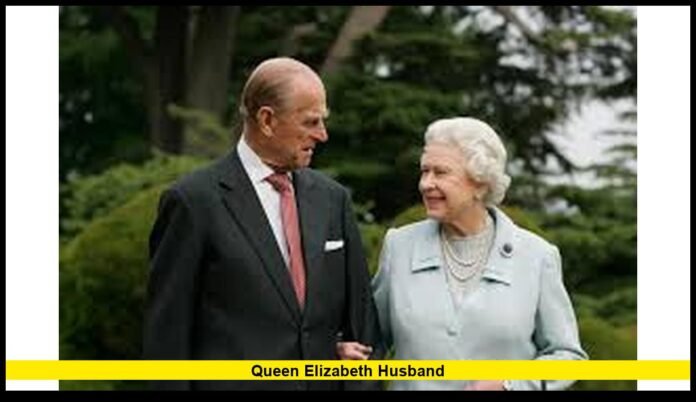

Prince Philip, Duke of Edinburgh, is widely remembered as the lifelong partner of Queen Elizabeth II and one of the most influential royal consorts in modern history. His decades of service, strong personality, and commitment to public duty helped shape the British monarchy during a period of enormous social change.
Even in 2026, discussions about royal tradition, modernization, and family roles often return to Prince Philip’s impact. His work continues through global youth initiatives, royal patronages, and the institutional changes he helped introduce across more than seventy years.
Early Life and Royal Background
Prince Philip was born on June 10, 1921, on the Greek island of Corfu. He belonged to both the Greek and Danish royal families, but his early life was marked by instability.
Political turmoil forced his family into exile when he was still an infant. Philip spent his childhood moving between several European countries, living with relatives and attending different schools.
He later continued his education in the United Kingdom, where he developed a strong interest in discipline, leadership, and military service. These early experiences shaped his direct personality and practical outlook.
Philip joined the Royal Navy as a young man and served during World War II. His naval career played a major role in building his public reputation before his marriage into the British royal family.
Meeting Princess Elizabeth and the Royal Engagement
Philip first met Princess Elizabeth when she was a teenager. Their connection grew over time, especially during the war years when they exchanged letters.
By the late 1940s, their relationship became more serious. Philip renounced his foreign royal titles, became a British citizen, and adopted the surname Mountbatten before the engagement announcement.
The couple’s engagement drew significant public attention. Britain was emerging from World War II, and the royal wedding became a symbol of hope and renewal.
Royal Wedding and Historic Marriage
The wedding took place on November 20, 1947, at Westminster Abbey. Millions followed the event through radio broadcasts and news coverage, making it one of the most important royal ceremonies of the century.
Their marriage would last more than 73 years — the longest royal marriage in British history.
When Elizabeth became queen in 1952, Philip’s life changed dramatically. He stepped away from his naval career to support the monarch’s role full time.
This transition defined his public identity for decades.
Defining the Role of a Modern Royal Consort
Prince Philip played a key role in shaping expectations for royal consorts in the modern era. Instead of remaining ceremonial, he pursued an active public schedule and encouraged institutional reform.
He supported technological modernization inside royal operations, including early television coverage of royal events. His approach helped the monarchy become more accessible to the public.
Philip also pushed for efficiency, encouraging a more structured approach to royal duties and charitable engagement.
Over time, this practical influence became one of his most lasting contributions.
Public Service and Charitable Leadership
Throughout his lifetime, Prince Philip was associated with more than 700 organizations. His interests focused on youth development, science, engineering, sport, conservation, and education.
His most significant achievement was the creation of the Duke of Edinburgh’s Award in 1956. The program encourages young people to build skills, volunteer, stay active, and complete personal challenges.
Today, the initiative operates globally and involves millions of participants. The program continues to expand and remains closely tied to Philip’s vision.
He also championed environmental awareness long before sustainability became a central global issue. His advocacy influenced later royal environmental priorities.
Family Life and Parenting Approach
Prince Philip and Queen Elizabeth II had four children: Charles, Anne, Andrew, and Edward.
Philip encouraged independence and resilience within the family. His parenting style often emphasized discipline, outdoor activity, and personal responsibility.
Family traditions — particularly summer stays at Balmoral — reflected his love of nature and outdoor life.
His influence extended to grandchildren and great-grandchildren, many of whom have adopted similar approaches to public service and charitable work.
Royal Tours and Global Presence
Prince Philip traveled extensively across the Commonwealth and beyond. Royal tours became a major part of his public role, allowing him to represent the monarchy internationally.
These visits often focused on innovation, youth engagement, and community initiatives rather than purely ceremonial appearances.
His ability to connect directly with people — sometimes through humor and candid remarks — made him a distinctive royal figure.
While some comments drew criticism, they also reinforced his reputation as direct and unscripted.
Personality, Public Image, and Controversy
Prince Philip’s personality shaped his public image. He was widely known for his wit, blunt humor, and strong opinions.
Supporters viewed him as authentic and practical. Critics sometimes pointed to remarks that were considered outdated or controversial.
Over time, historical evaluation has placed greater emphasis on his institutional impact rather than individual moments.
His willingness to challenge tradition contributed to broader royal modernization.
Retirement From Public Duties
In August 2017, Prince Philip retired from official public engagements at age 96. The decision marked the end of one of the longest periods of royal public service ever recorded.
By that time, he had completed tens of thousands of engagements, delivered countless speeches, and supported hundreds of causes.
After retirement, he largely stepped away from public life while remaining an important figure within the family.
Final Years and Passing
Prince Philip spent his final years primarily at Windsor Castle. His health became a topic of public attention, particularly in 2021 when he was hospitalized.
He died on April 9, 2021, at age 99.
The funeral took place at St George’s Chapel in Windsor. The ceremony reflected his military background and personal preferences, focusing on simplicity and tradition.
The event drew worldwide tributes recognizing his decades of service.
Institutional Impact After His Death
Years after his passing, Philip’s influence continues across royal structures.
Many charities he supported remain active. Patronages have gradually transferred to other family members, ensuring continuity of his work.
The Duke of Edinburgh title moved to Prince Edward, reinforcing the ongoing connection between the family and the global youth program.
Institutional changes Philip encouraged — including modernization and structured engagement — remain part of royal operations.
Influence on Today’s Monarchy
Modern royal priorities reflect several themes Prince Philip championed:
- Youth development
- Environmental awareness
- Innovation and science
- Efficiency within royal institutions
- Global charitable engagement
King Charles III’s focus on sustainability aligns closely with Philip’s long-standing interests.
The next generation of royals continues to build on those foundations.
Why His Legacy Still Shapes Royal Expectations
Prince Philip helped redefine what long-term royal support looks like. Rather than a ceremonial presence, he demonstrated how a consort could influence strategy, public engagement, and institutional direction.
His partnership with Queen Elizabeth II created a model based on stability, duty, and adaptability.
This model now informs how the monarchy prepares future generations for public roles.
Historical Perspective in 2026
By 2026, historical discussions increasingly highlight Prince Philip’s structural impact on the monarchy.
Scholars and commentators emphasize:
- Longevity of service
- Institutional modernization
- Creation of enduring global programs
- Influence on royal family culture
His marriage remains one of the defining partnerships in modern constitutional monarchy.
Timeline of Major Milestones
| Year | Milestone |
|---|---|
| 1921 | Birth in Corfu |
| 1947 | Marriage at Westminster Abbey |
| 1952 | Began role as royal consort |
| 1956 | Creation of youth award program |
| 2017 | Retirement from public duties |
| 2021 | Death at age 99 |
This timeline illustrates a lifetime closely tied to the monarchy’s transformation.
Long-Term Global Legacy
Prince Philip’s legacy extends far beyond royal ceremony. His work shaped youth development frameworks, encouraged environmental awareness, and influenced how royal families engage with society.
The youth award program remains one of the largest structured development initiatives for young people worldwide.
Charities connected to engineering, sport, and education continue operating under frameworks he helped establish.
His influence also appears in expectations placed on modern royal consorts — active participation, strategic support, and long-term institutional thinking.
Cultural and Symbolic Significance
Beyond policy and programs, Prince Philip represents continuity during a period of rapid change.
His decades beside Queen Elizabeth II created a public image of stability that defined the monarchy for generations.
The longevity of their marriage became symbolic of commitment, resilience, and shared duty.
That symbolic role remains central to how royal history is understood today.
How Future Generations Reflect His Approach
Younger members of the royal family increasingly adopt themes Philip championed:
- Hands-on charity involvement
- Focus on measurable impact
- Support for youth leadership
- Emphasis on sustainability
- Informal public engagement
These patterns demonstrate how his influence continues beyond his lifetime.
Enduring Reputation
Prince Philip’s reputation remains complex yet widely significant. Historical evaluation now places stronger emphasis on his achievements rather than isolated controversies.
His contributions helped the monarchy remain relevant across changing political, social, and technological landscapes.
Few royal figures have combined longevity, institutional influence, and global charitable impact at a similar scale.
Prince Philip’s story cannot be separated from the evolution of the modern monarchy. His decades of service, commitment to reform, and long partnership with Queen Elizabeth II shaped how royal roles function today and how they will continue to evolve in the future.
What stands out most to you about Prince Philip’s legacy? Share your thoughts or stay informed as royal history continues to unfold.