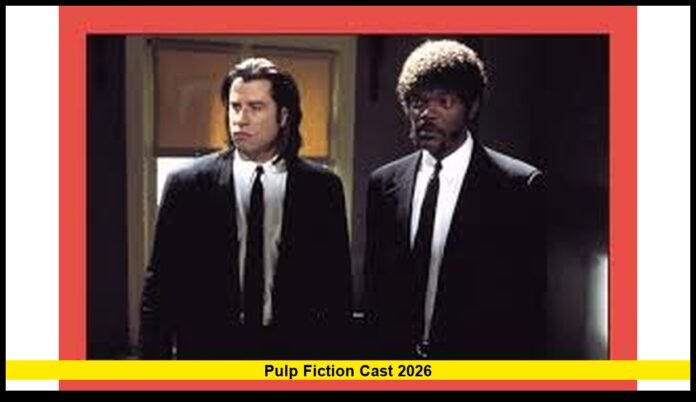

The Pulp Fiction cast helped transform a bold independent crime film into one of the most influential movies in modern Hollywood history. When Quentin Tarantino’s film premiered in 1994, audiences across the United States quickly embraced its unconventional storytelling, unforgettable characters, and sharp dialogue. The ensemble of actors delivered performances that reshaped careers and left a lasting mark on American cinema.
More than three decades later, the movie still ranks among the most celebrated films ever made. The actors who brought its characters to life remain widely recognized for their roles, and many have continued to build remarkable careers in film and television. From career revivals to breakout performances, the film’s ensemble created a cultural moment that still resonates with audiences today.
How the Film Became a Cultural Milestone
When Pulp Fiction debuted at the Cannes Film Festival in 1994, it immediately captured global attention. The film won the Palme d’Or, the festival’s top honor, signaling that Tarantino’s unconventional storytelling had struck a powerful chord with critics and audiences alike.
Later that year, the movie opened in U.S. theaters and quickly gained momentum through strong word of mouth. The film’s nonlinear narrative structure allowed multiple storylines to intersect in surprising ways. Characters appeared at different points in time, which kept viewers engaged and curious about how the stories connected.
The performances from the ensemble cast became a defining element of the film’s success. Each actor brought distinct energy and personality to their role, helping create scenes that remain iconic decades later.
John Travolta as Vincent Vega
John Travolta played Vincent Vega, a smooth-talking hitman who works for crime boss Marsellus Wallace. The character spends much of the film partnered with fellow hitman Jules Winnfield.
Before the movie’s release, Travolta had already experienced massive fame in the 1970s with films such as Saturday Night Fever and Grease. However, his career slowed in the late 1980s and early 1990s.
Tarantino believed Travolta still had star power and cast him in the role. The decision proved pivotal. Travolta’s performance earned an Academy Award nomination for Best Actor and sparked a major comeback.
After the success of Pulp Fiction, Travolta starred in several well-known films:
- Get Shorty
- Face/Off
- Broken Arrow
- Primary Colors
In recent years, he has continued working in film while making appearances at industry events and film festivals celebrating classic movies.
Samuel L. Jackson as Jules Winnfield
Samuel L. Jackson’s portrayal of Jules Winnfield became one of the most memorable performances in 1990s cinema. His character delivers intense speeches, philosophical reflections, and moments of dark humor that define the film’s tone.
Jackson’s performance earned an Academy Award nomination for Best Supporting Actor. Many critics consider the role the turning point that launched him into global stardom.
Since the mid-1990s, Jackson has become one of the most recognizable actors in Hollywood. His career includes roles in major franchises and blockbuster films.
Notable projects include:
- The Star Wars prequel trilogy as Jedi Master Mace Windu
- The Marvel Cinematic Universe as Nick Fury
- The Incredibles animated series as Frozone
- Django Unchained, another collaboration with Tarantino
Jackson continues to work consistently in both movies and television. His distinctive voice and commanding screen presence remain instantly recognizable.
Uma Thurman as Mia Wallace
Uma Thurman portrayed Mia Wallace, the stylish and mysterious wife of crime boss Marsellus Wallace. Her character appears in one of the film’s most famous sequences, the dance scene with Vincent Vega at a retro-themed restaurant.
Thurman’s performance earned her an Academy Award nomination for Best Supporting Actress. The role also helped elevate her to international fame.
After Pulp Fiction, Thurman starred in a variety of major films across multiple genres. She reunited with Quentin Tarantino for the action films Kill Bill: Vol. 1 and Kill Bill: Vol. 2, where she played the legendary character known as The Bride.
Other notable films in her career include:
- Gattaca
- Batman & Robin
- The Producers
Thurman continues acting in film and television while participating in major film festivals and industry events.
Bruce Willis as Butch Coolidge
Bruce Willis took on the role of Butch Coolidge, a boxer who becomes entangled in a dangerous conflict with Marsellus Wallace after refusing to throw a fight.
By the time he joined the film, Willis was already a major Hollywood star due to the success of the Die Hard series. His performance in Pulp Fiction showed a different side of his acting ability, blending drama, tension, and dark humor.
Throughout the following decades, Willis starred in many popular films, including:
- The Sixth Sense
- Unbreakable
- Armageddon
- Looper
In 2022, his family announced that he would step away from acting after being diagnosed with a cognitive condition affecting communication and memory. Later updates confirmed frontotemporal dementia. Since then, he has remained largely out of the public spotlight while receiving support from family members.
Ving Rhames as Marsellus Wallace
Ving Rhames played the powerful crime boss Marsellus Wallace. Although his screen time was limited, the character’s presence shaped many of the film’s key storylines.
Rhames delivered a commanding performance that made Marsellus Wallace one of the movie’s most recognizable figures.
After the film’s success, Rhames built a strong career in both movies and television. One of his most notable roles is Luther Stickell in the long-running Mission: Impossible franchise.
He has appeared alongside Tom Cruise in several installments of the action series, making the character a familiar presence for global audiences.
Rhames has also worked extensively in television and voice acting projects.
Harvey Keitel as Winston Wolfe
Harvey Keitel portrayed Winston Wolfe, often referred to simply as “The Wolf.” The character is called in to handle a dangerous situation and restore order with calm efficiency.
Although the role lasts only a short time on screen, Keitel’s performance became a standout moment in the film.
Before appearing in the movie, Keitel already held a respected place in American cinema through collaborations with director Martin Scorsese. His earlier work includes acclaimed films such as Mean Streets and Taxi Driver.
Following Pulp Fiction, Keitel continued to appear in both mainstream and independent films. He has also remained active in international cinema and television projects.
Tim Roth as Pumpkin
Tim Roth played Pumpkin, a small-time criminal who attempts to rob a diner alongside his partner Honey Bunny.
His character appears in the film’s opening and closing sequences, creating a clever storytelling loop that ties the narrative together.
Roth had previously worked with Tarantino in the film Reservoir Dogs. His performance in Pulp Fiction strengthened their creative partnership.
Over the years, Roth has appeared in numerous films and television series. His role in Rob Roy earned him an Academy Award nomination for Best Supporting Actor.
He also starred in the television drama Lie to Me, which introduced him to a new generation of viewers.
Amanda Plummer as Honey Bunny
Amanda Plummer portrayed Honey Bunny, Pumpkin’s unpredictable and intense partner during the diner robbery.
Her dramatic performance helped create one of the film’s most memorable opening scenes.
Plummer comes from a distinguished acting family. Her father, Christopher Plummer, was an Academy Award–winning actor known for decades of work in film and theater.
Amanda Plummer has built her own respected career across stage, film, and television. She has appeared in numerous theatrical productions and dramatic screen roles.
Christopher Walken’s Memorable Appearance
Christopher Walken appeared briefly as Captain Koons, a Vietnam War veteran who delivers a long and unusual story about a family heirloom.
Despite the short screen time, Walken’s monologue became one of the most talked-about scenes in the film.
Walken had already achieved major recognition before the film, including an Academy Award for The Deer Hunter.
In the years since, he has continued appearing in many notable films and television projects. His distinctive speaking style and unpredictable performances have made him one of Hollywood’s most recognizable actors.
Why the Ensemble Still Stands Out
The strength of the Pulp Fiction cast lies in how each actor contributed something unique to the film. Some were established stars, while others were rising talents eager to prove themselves.
Several elements made the ensemble especially memorable:
- Distinct character personalities that stood apart from traditional crime films
- Dialogue delivered with precision, humor, and intensity
- Strong chemistry between actors in shared scenes
- A balance of dramatic tension and dark comedy
These performances helped turn the film into a cultural landmark.
Lasting Influence on Hollywood
The impact of Pulp Fiction can still be seen throughout modern filmmaking.
Directors and screenwriters frequently point to the film as inspiration for:
- Nonlinear storytelling techniques
- Dialogue-driven scenes that focus on character development
- Crime stories that blend humor with violence
The movie also played a major role in popularizing independent films during the 1990s. Its commercial success proved that unconventional storytelling could reach mainstream audiences.
Recognition and Awards
The film achieved significant recognition during the 1995 awards season.
Key achievements included:
- Palme d’Or at the Cannes Film Festival
- Academy Award for Best Original Screenplay
- Multiple acting nominations for cast members
- Several major film critic awards
These honors confirmed the movie’s impact and helped cement its place in cinematic history.
A Film That Still Captivates Audiences
Decades after its release, Pulp Fiction remains widely watched and discussed. Streaming platforms and digital rentals continue introducing the film to new generations of viewers.
Scenes featuring Vincent and Mia’s dance, Jules’ dramatic speeches, and the diner confrontation still circulate widely across social media and film discussions.
The film’s blend of storytelling innovation, memorable dialogue, and powerful performances keeps it relevant even after many years.
The actors who brought these characters to life created something rare in Hollywood—an ensemble performance that continues to define a generation of filmmaking.
Which character from the movie stands out to you the most? Share your thoughts and join the conversation with fellow film fans.