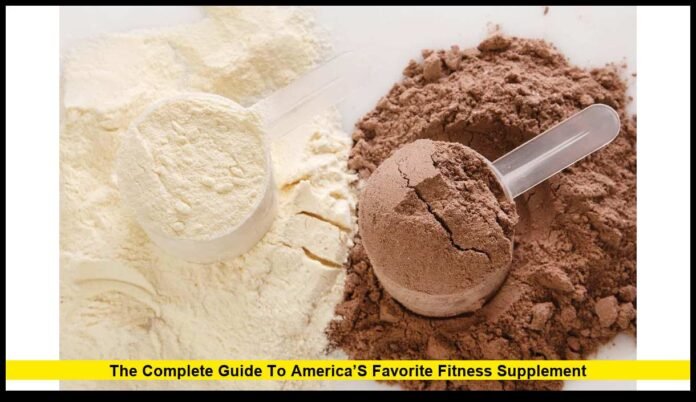

The popularity of protein powders in the United States has skyrocketed over the past decade. Once a niche product used mainly by bodybuilders and athletes, protein supplements have now become a household staple. From teenagers trying to build muscle to older adults maintaining strength, from busy professionals to health-conscious parents — protein powders have found their way into millions of kitchens and gym bags.
This growing trend isn’t just about fitness culture; it reflects major shifts in how Americans think about health, convenience, and nutrition.
Why Protein Powders Are More Popular Than Ever
There are several reasons behind the massive surge in demand for protein powders across the U.S.:
- Health Awareness: More Americans are paying attention to macronutrients, fitness, and preventive health.
- Convenience: Modern lifestyles are busy. Protein powders offer a quick, portable source of nutrition that fits into hectic schedules.
- Diverse Options: New plant-based, lactose-free, and allergen-friendly products have broadened the appeal beyond gym-goers.
- Fitness Trends: The rise of strength training, CrossFit, and at-home workout programs has made protein consumption more mainstream.
- Aging Population: Older adults are turning to protein supplements to maintain muscle mass and support overall health.
This combination of factors has transformed protein powders from a niche supplement into a mainstream product category with widespread appeal.
What Exactly Are Protein Powders?
At their core, protein powders are concentrated sources of protein derived from either animal or plant foods. The protein is extracted and processed into a powder form that can easily be mixed with liquids, added to recipes, or blended into smoothies.
Most protein powders provide between 15 and 30 grams of protein per serving. Many are also fortified with vitamins, minerals, or other nutrients to support specific goals such as muscle recovery, weight loss, or gut health.
While these products are convenient, not all powders are created equal. Understanding the different types is key to making informed choices.
The Main Types of Protein Powders
1. Whey Protein
Whey is the most common and widely used protein powder in the U.S. It’s a complete protein derived from milk and contains all essential amino acids. Because it’s absorbed quickly, it’s a favorite among athletes for post-workout recovery.
- Pros: Fast absorption, high in essential amino acids, great for muscle building
- Cons: Contains lactose, which can cause issues for those who are lactose intolerant
2. Casein Protein
Casein is also derived from milk but digests much more slowly than whey. This makes it ideal for people looking to stay fuller for longer or support muscle recovery overnight.
- Pros: Sustained release of amino acids, good for nighttime use
- Cons: Not suitable for people with dairy allergies or lactose intolerance
3. Plant-Based Protein
Plant-based protein powders have grown tremendously in popularity, especially among vegans and those with dairy sensitivities. They’re typically made from peas, brown rice, hemp, or soy.
- Pros: Dairy-free, environmentally friendly, increasingly high-quality blends
- Cons: Some single-plant proteins may lack certain essential amino acids, though blends often solve this
4. Egg White Protein
Egg white protein offers a high-quality, lactose-free option. It’s a complete protein with excellent digestibility.
- Pros: No lactose, complete amino acid profile
- Cons: Typically more expensive than whey or plant-based options
5. Collagen Protein
Collagen powders come from animal connective tissues. While not technically a complete protein, collagen has surged in popularity for its potential benefits to skin, joints, and hair.
- Pros: Supports joint and skin health, easily digested
- Cons: Lower in some amino acids important for muscle growth
Recent Developments in the Protein Powder Industry
The protein powders industry in 2025 is very different from what it was a decade ago. Several major trends are reshaping the landscape:
- Cleaner Labels: Consumers now demand transparent labeling, natural ingredients, and fewer artificial additives. “No sugar added” and “non-GMO” claims are increasingly common.
- Sustainability: Eco-friendly packaging and plant-based proteins are gaining ground as Americans become more environmentally conscious.
- Personalization: Some brands now offer customized protein blends tailored to individual fitness goals, dietary preferences, and even DNA-based nutrition plans.
- Functional Ingredients: Modern protein powders often include added probiotics, adaptogens, or vitamins, turning a simple protein shake into a multifunctional health drink.
- Increased Oversight: As the industry grows, so does regulatory attention. Brands are under more pressure to ensure label accuracy and product safety.
These trends reflect a maturing industry that caters to more informed and discerning consumers.
The Benefits of Protein Powders
When used correctly, protein powders offer real benefits. Some of the key advantages include:
- Supports Muscle Growth and Recovery: Protein is essential for repairing muscle tissue after workouts, making powders especially popular among athletes and gym-goers.
- Weight Management: High-protein diets can boost satiety, helping people feel full longer and manage their calorie intake more effectively.
- Nutritional Convenience: For people who don’t have time to prepare multiple protein-rich meals, shakes offer a fast, portable solution.
- Dietary Flexibility: Plant-based options allow those on vegan or lactose-free diets to meet their protein needs.
- Healthy Aging: Maintaining adequate protein intake is crucial for older adults to prevent muscle loss and maintain strength.
It’s important to note, however, that protein powders should supplement a balanced diet — not replace it entirely.
Common Concerns and Misconceptions
Despite their popularity, there are still concerns surrounding protein powders. Some of the most common include:
- Overconsumption: While protein is essential, excessive intake can strain the kidneys in individuals with pre-existing conditions.
- Added Sugars and Fillers: Some powders contain more sweeteners and additives than protein, undermining their health benefits.
- Digestive Issues: People with lactose intolerance or sensitivities may experience bloating or discomfort with certain products.
- Quality Control: Not all brands are created equal. Choosing trusted, reputable products is key to avoiding mislabeled or low-quality items.
Consumers can avoid most issues by reading labels carefully, sticking to moderate daily use, and selecting powders that align with their dietary needs.
Tips for Choosing the Right Protein Powder
With hundreds of options on store shelves and online, finding the right product can feel overwhelming. Here are some practical tips for U.S. consumers:
- Match the Powder to Your Goals
- Whey for post-workout recovery
- Casein for overnight muscle repair
- Plant-based for vegan or eco-conscious choices
- Check the Ingredient List
Look for short, simple lists. Avoid products with excessive sweeteners or additives. - Consider Protein Content
Aim for around 20–30 grams of protein per serving if your goal is muscle recovery or growth. - Watch for Allergens
If you’re lactose intolerant or have food allergies, check for certifications like “dairy-free” or “soy-free.” - Start with a Sample Size
Not all powders taste or digest the same. Trying a small bag first can help you avoid wasting money. - Don’t Forget Whole Foods
Supplements are helpful, but they should work alongside a balanced diet — not replace it.
The Future of Protein Powders in the U.S.
The protein powders market shows no signs of slowing down. Analysts expect continued growth as more Americans focus on health, fitness, and convenient nutrition. Innovations in flavor, formulation, and sustainability will likely drive the next wave of products.
Moreover, the line between “supplement” and “functional food” is blurring. Many modern protein powders are no longer just for shakes — they’re being used in baking, meal replacements, and even coffee blends. As lifestyles evolve, so will the ways people incorporate these products into daily routines.
Final Thoughts
Protein powders have come a long way from their early days in bodybuilding gyms. Today, they’re part of everyday nutrition for millions of Americans, serving everyone from athletes to busy parents to older adults focused on healthy aging.
By understanding the different types, benefits, and potential pitfalls, consumers can make smart choices that align with their personal health goals.
Whether you prefer whey, plant-based, or collagen, the key is to choose quality, use protein wisely, and remember that whole foods still form the foundation of good nutrition.
What’s your experience with protein powders? Do you have a favorite type or recipe? Share your thoughts below and join the conversation.