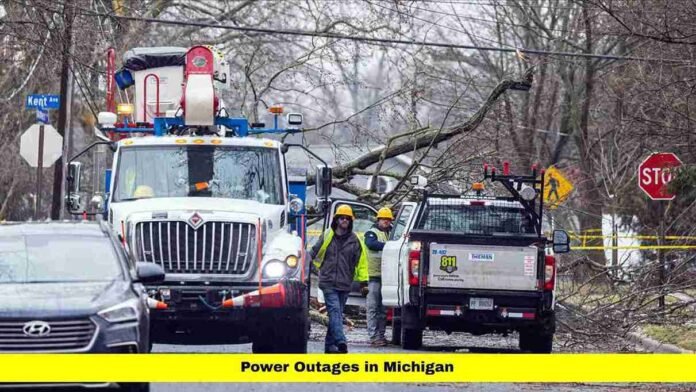

Power outages in Michigan are affecting thousands of residents as severe winter weather sweeps across the state, bringing heavy snow, ice, and high wind gusts. Electrical infrastructure has been damaged in multiple areas, leaving homes and businesses without power. Utility crews are working continuously to restore service, but widespread outages persist in several counties. Residents are advised to take precautions and stay updated as restoration efforts continue.
The winter storm has caused extensive disruptions, particularly in urban and rural areas, where downed tree limbs and icy conditions have impacted power lines. Families and businesses are experiencing challenges due to heating interruptions, reduced visibility on roads, and temporary loss of communication networks. Preparing in advance and understanding the current status is crucial while utilities work to bring power back online.
Storm Causes Widespread Interruptions Across the State
The recent winter storm in Michigan has resulted in extensive electrical disruptions. Heavy snow combined with freezing rain has caused ice accumulation on tree branches, making them brittle and prone to snapping onto power lines. Strong wind gusts have further stressed the electrical grid, causing outages across multiple counties.
Urban centers, including Detroit and surrounding metro areas, have reported significant interruptions. Wind gusts are increasing the risk of additional outages by knocking down tree limbs onto transmission lines. In rural parts of the state, especially in northern and central Michigan, icy conditions have led to widespread service interruptions affecting homes and small businesses.
The storm is expected to continue producing challenging conditions, making power restoration difficult in areas where access is limited by snow-covered roads or hazardous travel conditions. The combination of snow, ice, and wind is the primary cause of the ongoing electrical outages.
Current Outage Numbers and Affected Regions
Thousands of residents remain without power across Michigan, with the highest concentrations in both southeastern and central regions. In Metro Detroit, large portions of the population have lost electricity, while additional outages are reported as gusts persist throughout the day. The storm has caused multiple power disruptions in nearby counties, leaving many households in the dark.
Central Michigan counties, including Eaton, Ingham, Isabella, Midland, and Roscommon, are experiencing widespread outages due to downed lines and ice damage. Both urban and rural areas are affected, with outages ranging from a few hundred homes to thousands at a time. The extensive impact highlights the vulnerability of electrical infrastructure during severe winter weather.
In northern Michigan, icy conditions combined with snow have contributed to multiple interruptions, leaving residents without power for several hours. Utility companies continue to track the scope of outages while prioritizing areas with the greatest impact and ensuring safety for restoration crews.
Factors Behind the Power Disruptions
Several weather-related factors are responsible for the outages across the state. Freezing rain has caused ice accumulation on tree branches and power lines, making them heavy and prone to breaking. Wind gusts of up to 60 mph have further stressed electrical infrastructure, increasing the likelihood of snapped lines and extended outages.
Snow and ice create dangerous conditions for utility crews and residents alike. Fallen branches and ice-laden lines can trigger cascading power interruptions, while frozen roads slow repair efforts. The combination of ice, snow, and wind continues to make certain regions more susceptible to ongoing service disruptions.
Areas that have already experienced heavy snow in previous weeks were particularly vulnerable. Trees weakened by prior accumulation of ice and snow were more likely to contribute to outages during the current storm. This highlights how consecutive winter events can amplify the risk to electrical systems.
Utility Companies’ Response and Restoration Efforts
Utility providers across Michigan, including major energy companies, have mobilized crews to address the outages. Restoration teams are working around the clock, assessing damage, removing downed tree limbs, and repairing broken lines. Access to affected areas is often limited by icy roads, making restoration a complex and ongoing process.
Crews prioritize critical infrastructure first, including hospitals, emergency facilities, and densely populated urban centers. Areas with the highest number of customers affected receive attention early in the restoration schedule. Workers follow strict safety protocols to minimize risks while performing repairs in hazardous conditions.
Officials have urged residents to remain patient while crews continue their work. Restoration may be incremental in heavily impacted areas, as severe weather conditions slow progress. Safety guidelines, including staying clear of downed power lines and avoiding hazardous travel, remain critical during the ongoing repair operations.
Impact on Daily Life and Public Safety
The outages are affecting more than just lighting in homes. Many residents face disruptions to heating, leaving homes cold in freezing conditions. Internet and telephone service can also be interrupted, making communication and work from home difficult. Traffic signals affected by outages can create hazardous travel conditions on local roads.
Local authorities advise residents to avoid unnecessary travel and remain vigilant for icy roads. Families are encouraged to check on neighbors, especially older residents or those with medical needs that rely on electricity. Preparedness includes having adequate blankets, clothing, and emergency supplies to withstand temporary power loss.
Schools and workplaces may experience delays or closures, depending on the extent of outages in their regions. Residents are reminded to use generators safely and avoid carbon monoxide exposure when utilizing alternative power sources indoors.
Weather Conditions Worsening the Situation
Michigan’s winter storm continues to produce heavy snow, ice, and high winds across the state. Blizzard-like conditions in some areas reduce visibility, creating hazardous travel for both residents and utility crews. Snow accumulations, particularly in southeast Michigan, are combining with gusty winds to exacerbate outages and slow restoration efforts.
The National Weather Service has issued high wind warnings and advisories for multiple regions, emphasizing the increased risk of falling branches and additional outages. These conditions make travel dangerous and limit access for crews trying to restore service in affected areas.
As the storm persists, residents are advised to monitor weather updates and prepare for the possibility of extended outages. Utility crews are maintaining schedules for repairs, but severe conditions may delay full restoration in the hardest-hit locations.
Historical Context of Power Outages in Michigan
Michigan has a long history of weather-related outages. Ice storms, heavy snow, and high winds have frequently disrupted electrical service in both northern and southern parts of the state. Past events have left tens of thousands of residents without power for days, highlighting the importance of preparedness and rapid response by utility crews.
Utility companies have invested in infrastructure improvements to mitigate outage risk, but severe winter weather can still overwhelm the system. Historical patterns show that prolonged outages often require coordinated efforts among multiple agencies, including local governments, emergency management, and utility providers.
Communities across Michigan have responded by implementing emergency plans, offering warming centers, and assisting vulnerable populations. Learning from past events allows residents and officials to manage current outages more effectively.
Real-Time Outage Tracking Tools
Residents can monitor current power outages using utility providers’ online maps and reporting tools. These platforms provide updated information on the number of customers affected and restoration status in specific regions.
Outage maps allow residents to see if their area is part of a broader storm-related disruption or an isolated problem. The platforms also provide estimated restoration times when available, helping households plan accordingly.
Contacting utility companies directly remains an effective way to report outages and receive updates. Accurate reporting assists crews in prioritizing repairs and allocating resources efficiently, ultimately speeding up the restoration process.
Safety Recommendations During Outages
Staying safe during winter outages is crucial. Residents should avoid downed power lines, assuming they are live and dangerous. Generators should only be used outdoors, away from windows and air intakes, to prevent carbon monoxide poisoning.
Keeping warm with layered clothing and blankets is essential. Interior spaces with minimal heat loss provide the safest refuge from freezing temperatures. Residents should also ensure mobile devices are charged, have flashlights ready, and maintain emergency supplies, including water, canned food, and medications.
Community support plays a key role. Checking on neighbors, particularly seniors or those with medical needs, helps reduce risks. Following all safety guidelines reduces the chance of accidents during power outages and hazardous weather.
Outlook for Restoration and Recovery
Utility crews continue to work diligently to restore power across Michigan. Prioritization of critical infrastructure and heavily impacted regions ensures that essential services are re-established first. Restoration timelines vary based on the severity of damage, road conditions, and ongoing weather events.
Residents can expect incremental improvements as crews gain access to affected areas. While some neighborhoods may have power restored quickly, others may face extended outages. Community resilience, preparation, and adherence to safety guidelines are vital as repair work continues.
Utilities and local authorities remain in constant communication with the public, providing updates on progress and expected restoration times. Patience and awareness are key during these widespread winter outages.
Power outages in Michigan are affecting thousands, but utility crews, local authorities, and residents are working together to manage the situation safely and efficiently. Share your experience with outages in your area and stay informed for the latest updates.