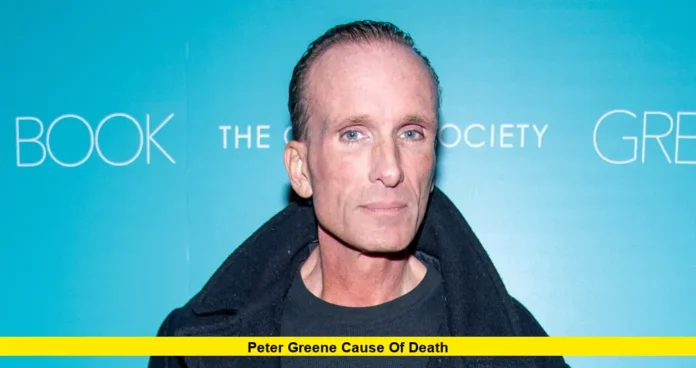

The entertainment industry is reflecting on the life and career of actor Peter Greene following reports surrounding the peter greene cause of death, which has been described as an accidental shooting. Known for intense performances across film and television, Greene built a reputation as one of Hollywood’s most recognizable character actors, appearing in influential projects that shaped modern crime storytelling.
News of his death spread quickly among film communities, prompting renewed interest in his work and the impact he had on audiences over several decades. Greene’s career was defined not by leading roles, but by the ability to create memorable characters who left a strong impression in every scene.
A career built on presence and intensity
Peter Greene became known for portraying characters who carried emotional weight and unpredictability. Casting directors often selected him for roles that required tension, realism, and a commanding screen presence.
His performances frequently appeared in crime dramas, thrillers, and independent films. Rather than relying on traditional star power, Greene’s strength came from authenticity. He brought complexity to characters who might otherwise have been one-dimensional.
That approach allowed him to work consistently across decades, building a filmography respected within the industry.
From late start to steady momentum
Greene’s path into acting differed from many Hollywood careers. He entered the profession after exploring other pursuits, which contributed to the grounded quality audiences associated with his performances.
Early roles demonstrated his ability to portray internal conflict with subtlety. Directors noticed how effectively he communicated emotion through body language, tone, and pacing rather than heavy dialogue.
By the early 1990s, he was receiving opportunities in larger productions, marking the start of a steady professional run.
Breakthrough recognition in a defining era of cinema
The 1990s represented a turning point for Greene. Crime films during that period emphasized character-driven storytelling, and his style aligned perfectly with that creative direction.
One of his most widely recognized appearances came in Pulp Fiction, a film that influenced narrative structure and visual style across the industry. Greene’s performance contributed to the film’s layered atmosphere and reinforced his reputation as a compelling supporting actor.
This visibility led to additional casting opportunities in projects that required intensity and credibility.
Versatility across film genres
Although often associated with crime stories, Greene’s work extended into action films, psychological dramas, and television series. He moved between independent productions and mainstream releases with ease.
Producers valued his reliability. Directors frequently described him as someone who arrived prepared, understood character motivations, and collaborated effectively with cast members.
Television appearances broadened his audience. Guest roles allowed him to explore new character types while maintaining a recognizable presence.
Why character actors shape cinematic storytelling
Greene’s career illustrates the importance of character actors in filmmaking. Supporting roles often drive narrative tension, introduce conflict, or deepen emotional stakes.
Audiences may not always remember a character actor’s name immediately, but they remember the performance. Greene excelled at creating that lasting impression.
His work demonstrates how supporting performances can define tone and authenticity within a film, influencing how stories are remembered years later.
Industry reaction and audience reflection
Following the news of his death, many within the entertainment community highlighted Greene’s professionalism and commitment to craft. Colleagues described him as focused, collaborative, and dedicated to realism.
Audience reactions emphasized familiarity. Viewers recognized his face across numerous films and television episodes, even when his roles were brief.
This widespread recognition underscores the reach of his career. Greene’s performances appeared in projects that spanned generations of viewers.
Details surrounding the accidental shooting
Public information indicates that Peter Greene died after an accidental shooting. Early details suggest the incident was not intentional, and attention has focused on understanding how the accident occurred.
Cases involving accidental firearm incidents typically involve careful review of the circumstances, including handling practices and environmental factors. Information available so far remains limited to the description of the event as an accident.
As officials continue to clarify the timeline, public discussion has centered on remembering Greene’s contributions to film rather than speculation.
The peter greene cause of death and public awareness
Discussion about the peter greene cause of death has also prompted broader conversations about accidental injuries involving firearms. Sudden losses often raise awareness around safety practices and risk prevention.
In the entertainment world, these moments highlight how quickly news can shift focus from career celebration to personal tragedy. For fans, the story becomes both a reflection on the incident and an opportunity to revisit the actor’s work.
Greene’s passing illustrates how deeply audiences connect with performers whose roles become part of cultural memory.
Revisiting memorable performances
With renewed attention on Greene’s career, viewers are returning to films and series that feature his performances. Streaming platforms make it easier for audiences to rediscover character actors whose work spans multiple decades.
Greene’s roles often involved emotional tension, moral ambiguity, and unpredictable behavior. These qualities made scenes more compelling and contributed to the realism associated with 1990s crime cinema.
Rewatching these performances highlights the consistency that defined his career.
A legacy defined by authenticity
Peter Greene’s legacy centers on believability. Whether portraying antagonists, troubled figures, or authority roles, he approached each character with depth.
That authenticity created trust between performer and audience. Viewers believed the characters he portrayed, even when they appeared briefly.
This skill explains why his work continues to resonate long after initial release dates. Authentic performances age differently than spectacle-driven roles — they remain relevant.
Influence on modern casting and performance style
Today’s crime dramas continue to emphasize grounded character work, a style that performers like Greene helped popularize. Casting directors often seek actors who can deliver emotional intensity without exaggeration.
Greene’s filmography serves as a reference for how supporting roles can anchor narrative tone. His approach demonstrated that subtle choices — pauses, expressions, and controlled delivery — can carry significant storytelling impact.
Younger actors frequently study similar performances when developing character-driven techniques.
Audience connection beyond leading roles
One of the defining aspects of Greene’s career was audience familiarity. He represented a type of actor viewers encountered repeatedly across different stories.
That repeated presence builds recognition and trust. Even when audiences could not immediately recall a name, they associated Greene with memorable scenes.
This connection explains why news of his death resonated widely. Character actors often form a quiet but powerful bond with viewers over time.
The continuing relevance of 1990s crime cinema
The era in which Greene rose to prominence continues to influence filmmakers. Character-focused storytelling, nonlinear narratives, and realistic dialogue remain staples of modern productions.
Greene’s work contributed to that creative shift. His performances reinforced the idea that believable characters drive engagement more than spectacle alone.
As audiences revisit films from that period, his presence remains part of what makes them memorable.
Remembering a working actor’s contribution
Peter Greene represented the working actor — someone who consistently delivered strong performances across varied projects. This category of performer forms the backbone of film and television production.
His career demonstrates how longevity can reflect reliability and craft rather than celebrity visibility. Directors often depend on actors who can step into complex roles with confidence.
Greene’s filmography reflects that trust, showing decades of steady collaboration.
Reflection on career impact
The conversation surrounding Greene’s death ultimately returns to his work. Scenes he performed continue to circulate, reminding viewers how often he contributed to stories they remember.
His performances illustrate the value of commitment to character over prominence. Even without headline billing, he shaped the emotional tone of many productions.
For audiences, that impact defines legacy more than awards or box-office status.
Looking ahead as audiences revisit his work
Interest in Peter Greene’s career is likely to continue as viewers explore projects from different periods of his filmography. Streaming availability and online discussion allow performances to reach new generations.
Moments like this often noticeable increase appreciation for character actors whose work spans multiple creative eras. Greene’s performances remain accessible examples of grounded, emotionally driven acting.
His career stands as a reminder that storytelling relies on performers who bring authenticity to every role, regardless of screen time.