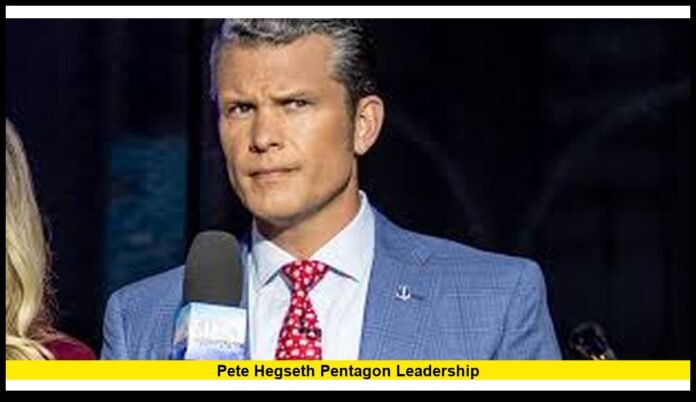

Pete Hegseth Pentagon leadership continues to generate attention across U.S. political and defense discussions, but as of May 2026, there is no confirmed or official role for Pete Hegseth within the United States Department of Defense. Verified information shows he remains outside the Pentagon’s leadership structure, despite ongoing public debate and rising online interest.
The Verified Reality in 2026
The most important point is clear: Pete Hegseth does not hold a leadership position at the Pentagon today.
There has been:
- No presidential nomination tied to his name
- No Senate confirmation process
- No official assignment within defense leadership
He continues to work in the media space, most notably with Fox News, where he regularly comments on national security, military policy, and veterans’ issues.
That distinction matters. Public commentary, no matter how influential, does not equal formal authority within the Department of Defense.
Why the Topic Keeps Gaining Momentum
Search trends around this topic have increased steadily in recent months. The surge is tied to a mix of visibility, politics, and public curiosity.
Several factors explain the growing attention:
- A heightened focus on future defense leadership in Washington
- Increased media exposure for Hegseth’s policy views
- Public debates over military readiness and leadership direction
- Interest in figures with both military and media backgrounds
These elements create a narrative environment where speculation spreads quickly, even when no official developments exist.
Pete Hegseth’s Military Background and Its Role in the Conversation
Pete Hegseth’s military service plays a central role in why his name surfaces in defense-related discussions.
He served in the U.S. Army National Guard and was deployed to multiple locations tied to U.S. military operations. His experience includes time in Iraq, Afghanistan, and Guantanamo Bay.
That background gives him credibility when speaking about:
- Combat readiness
- Military culture
- National defense priorities
However, military service alone does not place someone into Pentagon leadership. Many veterans contribute to policy discussions without holding formal positions in defense agencies.
From Military Service to Media Platform
After his military career, Hegseth transitioned into public life, where he became a recognizable voice in national media.
On television, he has built a platform focused on:
- Military policy debates
- Veterans’ healthcare reform
- Critiques of defense bureaucracy
- Calls for stronger national security strategies
His role in media allows him to influence public opinion, but it does not grant decision-making power within the Department of Defense.
Understanding Pentagon Leadership Structure
To fully grasp why there is no confirmed role, it’s important to understand how Pentagon leadership works.
Top leadership positions include:
- Secretary of Defense
- Deputy Secretary of Defense
- Secretaries of the Army, Navy, and Air Force
- Chairman and members of the Joint Chiefs of Staff
Each of these roles follows a strict process:
- Nomination by the President
- Background vetting and review
- Senate confirmation hearings
- Official appointment
No part of this process has involved Pete Hegseth as of now.
Influence vs Authority: A Critical Distinction
One reason for confusion is the difference between influence and authority.
Influence
Hegseth:
- Reaches a national audience
- Shapes discussions on defense topics
- Engages with political and policy debates
Authority
Pentagon leaders:
- Issue directives
- Manage military operations
- Control defense strategy and resources
These are fundamentally different roles. Influence can shape opinion, but authority drives action.
Public Interest and Digital Amplification
The modern information environment plays a major role in amplifying topics like this one.
Online platforms often turn discussions into trending topics within hours. Once a narrative gains traction, it can spread widely, even without official backing.
Key drivers include:
- Short video clips highlighting strong opinions
- Social media discussions that repeat unverified claims
- Political commentary that frames hypothetical scenarios
This dynamic has contributed to the rise of the “pete hegseth pentagon leadership” topic, even though no factual change has occurred.
Hegseth’s Policy Positions and Public Messaging
While he does not hold office, Hegseth’s views on defense policy continue to attract attention.
He has consistently emphasized:
- Increased military funding
- Stronger national defense posture
- Reduced administrative inefficiencies
- Expanded support systems for veterans
These positions resonate with a segment of the U.S. audience, which helps explain why his name appears in leadership discussions.
Veterans Advocacy and Public Engagement
Hegseth has also spent time working on issues affecting veterans.
His involvement has included:
- Advocacy for improved healthcare access
- Public campaigns focused on accountability
- Criticism of delays within veterans’ services
This work reinforces his identity as a veteran-focused voice, even though it remains outside formal government leadership.
The Role of Media in Shaping Leadership Perceptions
Media exposure can influence how audiences perceive leadership potential.
Frequent appearances, strong messaging, and consistent viewpoints can create the impression that a public figure is closer to official power than they actually are.
In reality, the path to Pentagon leadership is defined by:
- Government processes
- Legal requirements
- Institutional structure
Media visibility alone cannot replace these steps.
READ ALSO – Pete Hegseth Religion Debate
Comparing Media Figures and Defense Officials
A clear comparison helps highlight the difference:
| Category | Pete Hegseth | Pentagon Officials |
|---|---|---|
| Primary Role | Media Commentator | Government Leader |
| Decision Power | None in defense operations | Direct control over military policy |
| Appointment Process | Not applicable | Presidential nomination + Senate approval |
| Accountability | Public audience | U.S. government and Congress |
This distinction is essential for understanding the current situation.
Why Accuracy Is Critical in Defense Topics
Accurate reporting on defense leadership is essential for public trust.
Misinformation can:
- Confuse citizens about who leads the military
- Distort public debate on national security
- Undermine confidence in official institutions
Clear, verified facts help maintain transparency and accountability in defense matters.
Current U.S. Defense Leadership Context
The Department of Defense operates under a structured leadership system designed to ensure continuity and accountability.
Leadership decisions affect:
- Military operations worldwide
- Strategic alliances
- Defense budgeting
- National security planning
Given the importance of these responsibilities, leadership changes are always publicly documented and officially confirmed.
No such confirmation exists involving Pete Hegseth.
Why the Topic Continues to Resurface
Even without official developments, the topic remains active.
Reasons include:
- Ongoing political conversations about future leadership
- Continued media presence from Hegseth
- Public interest in strong defense voices
- Recurring online discussions
This cycle keeps the topic visible, even though the underlying facts have not changed.
What the Facts Show Today
To summarize the current situation:
- Pete Hegseth is not part of Pentagon leadership
- He has no confirmed role within the Department of Defense
- He remains active as a media commentator
- His influence comes from public discourse, not official authority
These points reflect the most accurate and up-to-date information available as of May 2026.
Looking Ahead Without Assumptions
Public figures often become part of broader political conversations, especially when they have military backgrounds and strong viewpoints.
However, it’s important to separate:
- Verified facts
- Public discussion
- Hypothetical scenarios
As of now, only the first category applies to this topic.
Conclusion
The continued attention around Pete Hegseth and Pentagon leadership highlights how quickly public narratives can grow in today’s media environment. His military experience and strong presence in national discussions keep him relevant, but there is no verified connection to any official leadership role within the Department of Defense.
What are your thoughts on how media voices shape public understanding of military leadership? Share your perspective and stay engaged with the latest verified updates.