
Introduction
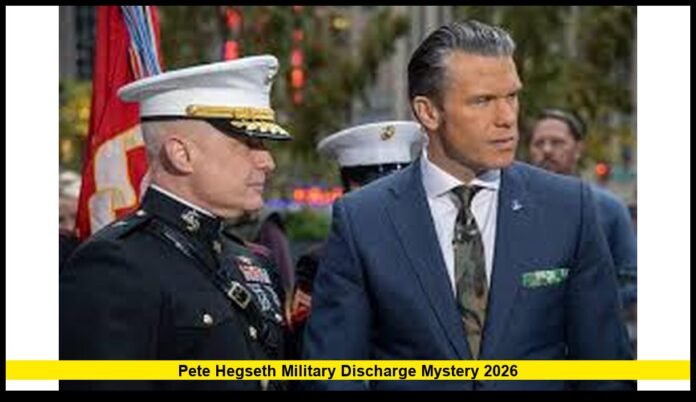
The topic of Pete Hegseth military discharge continues to draw widespread attention as his influence over U.S. defense policy grows. With increasing public scrutiny on leaders shaping military decisions, many Americans want a clear, factual understanding of how his service ended and what his record actually shows.
Early Military Path and Commission
Pete Hegseth began his military journey after graduating from Princeton University, where he was actively involved in leadership and public service initiatives. He was commissioned as an officer in the Army National Guard, entering a role that would quickly place him on the front lines of America’s post-9/11 conflicts.
His early training focused on infantry tactics, leadership development, and operational readiness. As an infantry officer, he was responsible for leading soldiers in high-pressure environments where quick decisions could have life-or-death consequences.
This foundational period shaped both his leadership style and his long-term perspective on military strategy.
Deployment to Guantánamo Bay
One of Hegseth’s earliest assignments took him to Guantánamo Bay, where he served in a security role tied to detainee operations. This posting exposed him to the complexities of military operations beyond traditional battlefield engagements.
While not a conventional combat deployment, this experience introduced him to international military policy, legal frameworks, and the broader strategic environment of U.S. defense operations.
It also marked the beginning of a career that would increasingly intersect with politically sensitive missions.
Combat Experience in Iraq
Hegseth later deployed to Iraq, where he served as an infantry platoon leader during a period of intense conflict. His role placed him directly in combat situations, leading troops in operations aimed at stabilizing volatile regions.
In Iraq, he participated in missions that required coordination between ground forces, intelligence units, and allied personnel. These operations often involved patrols, engagement with hostile forces, and efforts to maintain security in contested areas.
His service during this time earned him recognition, including the Bronze Star Medal and the Combat Infantryman Badge—both awarded to soldiers who demonstrate performance under combat conditions.
These experiences remain central to his military identity and continue to influence how he approaches defense policy today.
If you value in-depth, fact-driven coverage of national security leaders, continue reading as we break down the full scope of his service and transition.
Service in Afghanistan
Following his time in Iraq, Hegseth also served in Afghanistan, another major theater of U.S. military operations. His responsibilities expanded as he took on roles that required both tactical leadership and strategic coordination.
Afghanistan presented a different set of challenges compared to Iraq, including rugged terrain, decentralized insurgent activity, and evolving mission objectives. His time there reinforced his experience in counterinsurgency and small-unit leadership.
The combination of deployments across multiple conflict zones gave him a broad operational perspective that few service members attain.
Rank Progression and Leadership Roles
Over the course of his military career, Hegseth rose to the rank of major. This progression reflected years of service, leadership responsibility, and continued involvement in National Guard operations.
As a field-grade officer, he would have been responsible not only for leading soldiers but also for planning operations, mentoring junior officers, and contributing to broader mission objectives.
His leadership roles required balancing administrative responsibilities with operational readiness—skills that later translated into his civilian and political career.
Clarifying the End of His Military Service
A central question remains: how did his military service conclude?
The available record shows that Hegseth’s time in uniform ended after completing his service obligations within the Army National Guard. There is no widely documented evidence indicating that he was forced out through disciplinary action or an adverse administrative process.
In military terminology, this distinction is critical. Service members may leave the military in several ways, including completing their contract, voluntary separation, retirement, or formal discharge under specific conditions.
Hegseth’s timeline aligns with a standard transition out of service following years of duty, rather than a controversial or punitive discharge.
Why the Discharge Question Persists
Despite the documented record, the question of a discharge continues to circulate in public discussions.
Several factors explain why this topic remains active:
- His high-profile role in national defense has increased scrutiny of his past
- Political debates often amplify questions about personal history
- Misunderstandings about military terminology can lead to confusion
In many cases, the term “discharge” is used loosely, even when referring to routine separation from service. This has contributed to ongoing misconceptions about his military exit.
Pete Hegseth Military Discharge in Public Debate
The phrase Pete Hegseth military discharge frequently appears in online discussions, often framed as a mystery or controversy. However, the available facts do not support claims of a disciplinary or involuntary removal from service.
Instead, his record reflects a career that included multiple deployments, leadership roles, and eventual transition into civilian life.
Understanding this distinction helps clarify a topic that has been shaped as much by speculation as by actual events.
Transition to Civilian Life and Media
After leaving active military service, Hegseth transitioned into the media world, where he became a prominent voice on veterans’ issues and national security.
He used his platform to advocate for military personnel, discuss foreign policy, and engage in public debates about defense strategy. His firsthand experience in combat zones gave him credibility among audiences interested in military affairs.
This period marked a shift from operational leadership to public influence, setting the stage for his eventual entry into government.
Rise to Defense Leadership
In 2025, Hegseth took on one of the most powerful roles in the U.S. government as Secretary of Defense. This position placed him in charge of overseeing the nation’s military forces, strategic planning, and global defense initiatives.
His leadership has already been defined by decisive actions within the Pentagon, including restructuring efforts and changes in senior military leadership.
These moves have sparked strong reactions, further increasing public interest in his background and qualifications.
Leadership Style Shaped by Combat Experience
Hegseth’s approach to leadership reflects his time as an infantry officer. He emphasizes discipline, readiness, and a focus on combat effectiveness.
Supporters argue that his battlefield experience provides valuable insight into the realities faced by service members. Critics, however, question whether that perspective fully translates to the complexities of managing a global military organization.
Regardless of viewpoint, his military history plays a central role in how his decisions are interpreted.
Public Scrutiny and Political Context
As a high-ranking defense official, Hegseth operates under intense public scrutiny. Every decision, statement, and policy shift is closely examined by political leaders, analysts, and the public.
This environment naturally leads to renewed interest in his past, including his military service. Questions about his record often emerge during moments of political tension or major policy changes.
The focus on his service highlights a broader trend in which military credentials are increasingly central to public trust in leadership.
Understanding Military Separation Terms
To fully understand the discussion, it’s important to clarify how military separation works.
Service members can leave the military through:
- Completion of enlistment or service obligation
- Voluntary resignation of commission
- Retirement after sufficient years of service
- Administrative separation under specific conditions
- Disciplinary discharge in cases of misconduct
Each category carries different implications. In Hegseth’s case, the evidence aligns with a standard completion of service rather than any form of punitive discharge.
The Bigger Picture
The ongoing conversation about Hegseth’s military record reflects a larger national dialogue about leadership, accountability, and experience.
As global security challenges evolve, Americans are paying closer attention to the backgrounds of those making critical defense decisions. Military service, in particular, remains a key factor in shaping public perception.
By focusing on documented facts and clear definitions, it becomes easier to separate narrative from reality.
Career Overview, Combat Experience, and Background
Pete Hegseth’s military career includes service as an Army National Guard infantry officer with deployments to Guantánamo Bay, Iraq, and Afghanistan. His combat experience in Iraq placed him in active ground operations, earning him honors such as the Bronze Star Medal and Combat Infantryman Badge. His military background is rooted in frontline leadership, while his broader military history reflects years of service across multiple operational environments.
Conclusion
Pete Hegseth’s military service remains a defining part of his identity as a national leader. While questions about his departure from the military continue to circulate, the available record points to a standard conclusion of service rather than a controversial discharge.
As his role in shaping defense policy continues, interest in his background is unlikely to fade.
Stay engaged with the latest developments and share your perspective on how military experience should influence leadership at the highest levels.