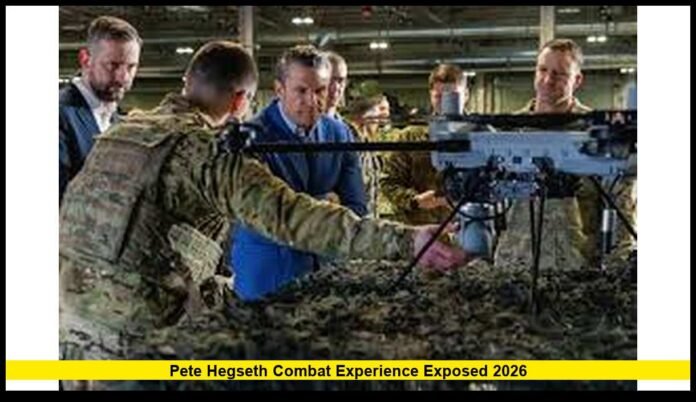

The impact of pete hegseth combat experience is shaping national defense conversations in a profound way as his leadership at the Pentagon continues to influence U.S. military priorities. His time serving in Iraq and Afghanistan, combined with his leadership roles in the Army National Guard, forms the foundation of how he now approaches decisions that affect global military strategy and the daily lives of American service members.
As the United States navigates a rapidly shifting global landscape, his background in active combat zones has become a focal point for understanding both his leadership style and the policies emerging from the Department of Defense. His career reflects a blend of battlefield exposure and high-level authority, a combination that continues to define his role in 2026.
Stay with this detailed breakdown to understand how his combat service continues to influence decisions at the highest level of U.S. military leadership.
Early Life and Decision to Enter Military Service
Pete Hegseth’s path toward combat service began with a clear decision to pursue national service after completing his education at Princeton University. While many graduates move into corporate or academic careers, he chose a route that placed him directly in the path of conflict.
He joined the U.S. Army National Guard and selected the infantry, a branch known for its direct involvement in ground combat. This decision ensured that his military experience would be defined by operational deployments rather than administrative roles.
From the outset, his focus centered on leadership, discipline, and readiness—qualities essential for success in combat environments.
Infantry Training and Leadership Responsibilities
Training as an infantry officer is one of the most demanding paths within the military. It requires physical endurance, tactical knowledge, and the ability to lead under pressure.
Hegseth’s early responsibilities included:
- Leading soldiers in training exercises designed to simulate combat conditions
- Developing operational plans for missions
- Ensuring unit readiness at all times
- Maintaining morale and cohesion among troops
These responsibilities laid the groundwork for his later deployments, where the stakes would be significantly higher.
The leadership skills developed during this period continue to influence how he approaches decision-making today.
Combat Deployment in Iraq: A Defining Chapter
Hegseth’s service in Iraq remains one of the most significant aspects of his military career. As an infantry officer, he operated in environments where U.S. forces faced persistent threats from insurgent groups.
His role required him to:
- Lead patrols in high-risk urban areas
- Respond quickly to evolving threats
- Coordinate with other military units
- Ensure the safety and effectiveness of his team
Combat in Iraq demanded constant awareness and adaptability. The conditions were unpredictable, and missions often required rapid adjustments based on changing circumstances.
His performance during this deployment earned him several military honors, including the Bronze Star Medal and the Combat Infantryman Badge. These recognitions reflect both his participation in combat and his ability to lead under challenging conditions.
Afghanistan: A Different Kind of Warfare
Following his time in Iraq, Hegseth served in Afghanistan, where the operational environment presented new challenges.
Unlike Iraq’s urban combat settings, Afghanistan involved:
- Mountainous terrain and remote locations
- Extended supply lines and logistical challenges
- Counterinsurgency operations requiring coordination with local forces
- Long deployments in isolated conditions
This experience expanded his understanding of warfare and exposed him to a broader range of military operations.
Serving in both Iraq and Afghanistan provided him with a comprehensive view of modern conflict, from urban combat to rural insurgency.
Guantanamo Bay Assignment and Security Operations
Hegseth also served at Guantanamo Bay, where his role focused on detention and security operations. While different from direct combat, this assignment carried significant responsibility.
His duties included:
- Overseeing detainee operations
- Maintaining strict security protocols
- Operating within a highly regulated environment
- Managing sensitive national security responsibilities
This experience added another layer to his military background, combining operational discipline with strategic oversight.
Awards and Recognition
Throughout his service, Hegseth received several honors that reflect his contributions and performance.
These include:
- Bronze Star Medal
- Army Commendation Medal
- Combat Infantryman Badge
These awards are associated with service in active combat zones and leadership under demanding conditions. They serve as a record of his time on the ground and his role in military operations.
Transition From Combat to Public Leadership
After completing his active service, Hegseth transitioned into roles that kept him connected to military issues. He became involved in advocacy efforts focused on veterans and national defense.
He later gained widespread attention through media appearances, where he discussed military strategy, readiness, and policy decisions. This phase of his career helped him build a national profile and positioned him as a prominent voice on defense issues.
His ability to communicate complex military topics to a broad audience played a key role in his eventual move into government leadership.
Appointment as Secretary of Defense
In 2025, Hegseth assumed the role of U.S. Secretary of Defense. His appointment brought a leader with direct combat experience into a position that oversees the entire U.S. military.
From the beginning of his tenure, his priorities have reflected the lessons learned during his time in uniform.
These priorities include:
- Strengthening combat readiness
- Raising performance standards
- Emphasizing discipline and physical fitness
- Streamlining military operations
His leadership approach reflects a focus on efficiency and effectiveness, principles rooted in his combat experience.
Major Defense Initiatives in 2026
In 2026, Hegseth’s leadership has led to several significant developments within the Department of Defense.
These include:
- Changes to recruitment strategies aimed at attracting combat-ready candidates
- Updates to training programs that emphasize battlefield preparedness
- Adjustments in leadership structures across military branches
- Increased focus on operational efficiency
These initiatives are designed to align the military more closely with the demands of modern warfare.
Leadership Changes and Pentagon Restructuring
One of the most notable aspects of his tenure this year has been the restructuring of military leadership.
Several high-ranking officials have been replaced or reassigned as part of broader efforts to reshape the Pentagon’s leadership structure.
These changes have drawn national attention and sparked discussions about stability and continuity within the military.
Despite these shifts, military operations have continued, demonstrating the resilience of the institution.
Public Debate and National Perspective
Hegseth’s leadership continues to generate strong reactions across the country.
Supporters emphasize:
- His firsthand combat experience
- His focus on strengthening military readiness
- His willingness to make decisive changes
Critics highlight:
- Concerns about leadership turnover
- The pace of policy changes
- Questions about long-term strategy
This ongoing debate reflects broader questions about how military leaders should balance operational experience with the complexities of global defense management.
How pete hegseth combat experience Shapes His Decisions Today
A closer look at pete hegseth combat experience reveals how deeply his time in uniform influences his leadership.
His decisions often reflect priorities developed during combat:
- Acting quickly in high-pressure situations
- Maintaining strict discipline and accountability
- Prioritizing mission success above all else
These qualities resonate strongly within military culture, where effectiveness and readiness are essential.
At the same time, applying these principles at a national level introduces new challenges, as decisions must account for diplomatic, political, and strategic considerations.
Combat Lessons Applied to Modern Military Strategy
The lessons learned in Iraq and Afghanistan continue to guide Hegseth’s approach to defense policy.
These lessons include:
- The importance of adaptability in unpredictable environments
- The value of strong leadership at every level
- The need for constant readiness
- The role of morale in mission success
These principles now shape policies that affect the entire U.S. military.
Additional Insights on Military Background and Service
Pete Hegseth’s military career reflects a progression from infantry officer to national defense leader. His background includes service in the Army National Guard, leadership roles in combat zones, and operational experience across multiple environments.
He completed his service honorably, fulfilling his commitments without disciplinary issues. His military history highlights a combination of tactical experience and leadership development, contributing to his current role in shaping U.S. defense policy.
Why His Experience Continues to Matter
As global challenges evolve, leadership grounded in real-world experience remains a key factor in shaping military strategy.
Hegseth’s background provides a perspective rooted in direct engagement with conflict, influencing how he approaches decisions that impact national security.
His leadership will continue to play a significant role in determining how the United States prepares for future threats.
If you’re following the intersection of military experience and national leadership, this story remains one of the most important to watch in 2026.
What are your thoughts on how battlefield experience should influence Pentagon decisions? Share your view and stay informed on the latest developments.