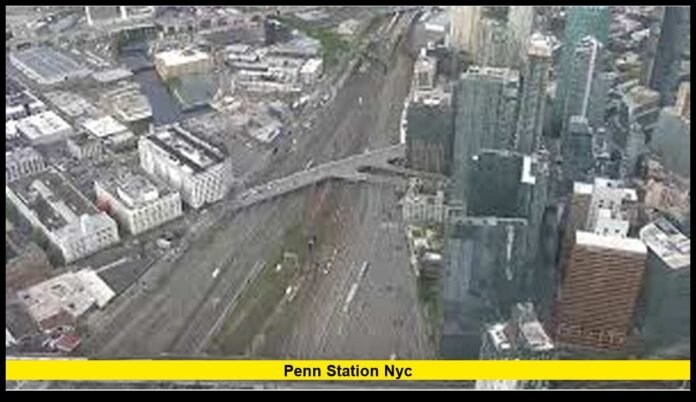

Penn Station NYC experienced major commuter disruptions on May 14, 2026, after an electrical fire near the tracks interrupted Long Island Rail Road service and triggered widespread delays across several busy train lines during the afternoon rush.
The incident created hours of confusion inside one of America’s busiest transportation hubs. Crowded platforms, canceled departures, rerouted trains, and long waits quickly turned the station into a stressful scene for thousands of travelers heading between Manhattan and Long Island.
Emergency crews responded quickly after smoke was reported from a rail infrastructure area connected to train operations. Transit officials temporarily restricted train movement while firefighters worked underground to contain the problem and secure the affected section.
The disruption spread rapidly throughout the rail network because Penn Station serves as a central connection point for commuters traveling into New York City every day. Even limited service interruptions inside the station can affect train schedules across multiple regions.
Fire Near Tracks Disrupts Afternoon Commute
Authorities said the fire began late Thursday morning near electrical equipment used to support rail operations at Penn Station. Smoke conditions near the tracks forced officials to slow or suspend train movement while emergency personnel entered the area.
The FDNY deployed dozens of firefighters and EMS workers to the station as crews investigated the source of the problem. Officials later confirmed that the fire involved electrical infrastructure rather than a passenger concourse area.
That distinction helped avoid a full evacuation of Penn Station. However, train service disruptions still created major crowding inside waiting areas and along platforms.
Passengers described hearing repeated delay announcements while departure boards changed constantly throughout the afternoon. Some commuters said their train information shifted multiple times within minutes.
By early afternoon, transit officials warned riders to expect severe delays, cancellations, and reroutes affecting Long Island Rail Road operations throughout the region.
Multiple LIRR Branches Affected
The service problems extended far beyond Manhattan because Penn Station functions as a key terminal for Long Island Rail Road trains.
Several major branches experienced delays or cancellations, including:
- Babylon Branch
- Huntington Branch
- Ronkonkoma Branch
- Port Washington Branch
- Long Beach Branch
- Far Rockaway Branch
Some trains were redirected to Grand Central Madison to reduce congestion at Penn Station. Other scheduled departures never operated because track access became limited near the affected area.
Passengers trying to leave Manhattan encountered packed trains and crowded stairways while station workers attempted to manage changing schedules.
Many commuters turned to subway lines, buses, or ride-share services after realizing train delays could stretch for hours.
Crowded Platforms Create Frustration
The scene inside Penn Station became increasingly tense as more commuters entered the station during the afternoon rush.
Travelers lined up near information desks while station employees answered questions about canceled trains and alternate routes. Digital departure boards showed delays across multiple destinations.
Some riders sat on floors near waiting areas after spending extended periods inside the station. Others rushed between tracks after sudden platform changes were announced over loudspeakers.
Commuters traveling with luggage faced additional difficulties navigating crowded corridors and staircases.
Tourists unfamiliar with New York City transit also struggled to understand rerouted train schedules and terminal changes during the disruption.
For regular riders, the delays added to ongoing frustration about recurring rail infrastructure issues affecting travel into Manhattan.
Why Penn Station Problems Affect So Many People
Penn Station remains one of the busiest transportation centers in North America.
Every weekday, hundreds of thousands of passengers pass through the station using Long Island Rail Road, NJ Transit, Amtrak, and subway connections. The facility serves commuters traveling from Long Island, New Jersey, and surrounding areas into Midtown Manhattan.
Because so many rail lines depend on the same tunnels and track systems, even a localized problem can create widespread service disruptions.
Thursday’s electrical fire demonstrated how vulnerable the system becomes when infrastructure problems develop during busy travel periods.
Limited tunnel capacity beneath the East River also makes it difficult for transit agencies to quickly reroute trains once normal operations become restricted.
As a result, delays can spread throughout the network within minutes.
Grand Central Madison Helps Reduce Pressure
The opening of Grand Central Madison has given Long Island Rail Road officials another important terminal option during emergencies.
During Thursday’s disruption, several trains that normally use Penn Station were redirected to Grand Central Madison instead.
That move helped reduce overcrowding at Penn Station and allowed some commuters to continue traveling despite the fire-related restrictions.
Still, alternate routing could not fully eliminate delays because train traffic into Manhattan remained limited.
Transit officials have increasingly relied on both Manhattan terminals whenever infrastructure problems impact one side of the system.
Commuters familiar with both stations generally adapted faster than occasional riders who were unfamiliar with changing routes.
Emergency Crews Respond Underground
Firefighters worked inside underground rail infrastructure areas while transit officials restricted access near affected tracks.
Smoke inside rail tunnels creates additional challenges for emergency crews because visibility can become limited and electrical hazards may remain active during the response.
Officials focused on isolating the damaged electrical section before allowing train movement to gradually resume.
The FDNY confirmed that no injuries were reported during the incident. Emergency personnel remained on-site throughout the afternoon while inspectors evaluated infrastructure conditions.
Authorities also monitored surrounding electrical systems to ensure no additional safety risks remained inside the station.
Commuters above ground could see emergency workers moving through station corridors while transit staff coordinated crowd control efforts near busy platforms.
Aging Infrastructure Faces New Scrutiny
The Penn Station fire renewed attention on the condition of New York City’s rail infrastructure.
Transportation agencies have spent years discussing upgrades tied to tunnels, signals, power systems, and station improvements throughout the Northeast Corridor.
Commuters have experienced multiple rail disruptions in recent months linked to equipment failures, tunnel problems, debris strikes, and power issues.
Earlier this spring, another major incident inside an East River tunnel caused severe delays after debris interfered with train operations. Passengers became stranded during the morning commute while multiple rail lines faced disruptions.
Repeated problems have increased pressure on transportation leaders to modernize aging infrastructure serving the New York metropolitan area.
Many commuters say reliability has become one of the biggest concerns for people who depend on trains every day.
Commuters Forced to Change Plans
The disruptions affected far more than train schedules.
Workers heading home from Manhattan faced long delays reaching Long Island destinations. Some travelers missed appointments or family events because trains operated unpredictably throughout the afternoon.
Others chose to remain in the city temporarily rather than wait inside overcrowded stations.
Restaurants, coffee shops, and nearby businesses around Penn Station saw increased foot traffic as commuters searched for places to wait during delays.
Ride-share demand also increased sharply in Midtown Manhattan once passengers realized some train service interruptions would continue into the evening.
Drivers near the station experienced heavier street congestion as more travelers turned to taxis and app-based transportation services.
Station Announcements Added to Confusion
Several passengers described difficulty understanding which trains were operating normally because announcements changed frequently during the emergency.
One train might appear on departure boards before suddenly disappearing minutes later. Platform assignments also shifted repeatedly as dispatchers adjusted operations.
The uncertainty frustrated riders attempting to plan alternate routes.
Commuters checking mobile transit alerts often received multiple notifications within short periods as conditions changed throughout the afternoon.
Some passengers praised station employees for attempting to guide travelers through the confusion. Others criticized the lack of clear communication during peak crowding periods.
Transit disruptions inside Penn Station often create information challenges because schedules can change faster than official updates reach passengers.
Evening Delays Continued After Fire Was Controlled
Although firefighters eventually controlled the blaze, service disruptions continued into the evening.
Transit systems require time to recover after infrastructure emergencies because trains, crews, and equipment become displaced throughout the network.
Officials inspected damaged electrical systems before restoring full operations near affected tracks.
Even once trains resumed moving, congestion continued because earlier delays disrupted normal scheduling patterns.
Passengers traveling later Thursday evening still encountered delayed departures and crowded conditions across several Long Island Rail Road branches.
Transportation officials warned riders to continue monitoring alerts before leaving for the station.
Penn Station’s Central Role in the Northeast Corridor
Penn Station connects New York City to some of the country’s busiest commuter and intercity rail routes.
The station serves Long Island Rail Road passengers traveling from suburbs east of the city while also supporting Amtrak and NJ Transit operations connecting New York with destinations throughout the Northeast.
Millions of travelers rely on Penn Station every month for work, tourism, and regional transportation.
That heavy usage means operational disruptions carry economic consequences across multiple states.
Businesses depend on reliable commuter access into Manhattan. Delays affecting thousands of workers can quickly impact productivity, scheduling, and travel throughout the city.
For tourists arriving in New York, Penn Station often serves as the first major transportation hub they experience after entering Manhattan.
Rail Riders Increasingly Concerned About Reliability
Frequent infrastructure incidents have left many commuters questioning whether the rail system can handle growing demand.
Population growth, increased office activity, and higher travel volumes continue placing pressure on tunnels and electrical systems originally built decades ago.
Transportation officials have launched modernization projects throughout the region, but major repairs often take years to complete.
Meanwhile, daily riders continue facing periodic disruptions tied to aging infrastructure.
Some commuters say Thursday’s fire felt like another reminder that the transportation network remains vulnerable during peak travel periods.
Others expressed concern about how future emergencies could affect service if another infrastructure problem occurs during a major weather event or holiday travel rush.
What Travelers Should Know After the Incident
Transit officials encouraged passengers to check train status updates before heading to Penn Station following the fire.
Residual delays can continue even after emergency crews clear damaged areas because rail systems require time to stabilize schedules.
Commuters traveling Friday morning may still experience service adjustments depending on inspection results and repair progress.
Travel experts generally recommend:
- Monitoring official transit alerts before departure
- Allowing extra travel time during peak hours
- Preparing alternate subway or bus routes
- Checking terminal assignments carefully
- Arriving early for important trips
Passengers using Penn Station regularly often keep backup travel options ready whenever major service disruptions occur.
The Future of Penn Station Infrastructure
The latest incident will likely increase conversations surrounding long-term improvements for Penn Station and surrounding rail infrastructure.
Transportation agencies continue planning upgrades connected to tunnels, electrical systems, and station operations throughout the Northeast Corridor.
Modernization projects remain critical because passenger demand continues growing across the region.
Officials have repeatedly emphasized the need for stronger infrastructure investment to improve reliability and reduce the risk of widespread commuter disruptions.
Thursday’s electrical fire demonstrated how quickly one infrastructure problem can impact thousands of daily travelers.
For many New Yorkers, dependable train service remains essential to everyday life.
Commuters Hope for Smoother Travel Ahead
By Thursday night, many passengers were finally able to complete trips delayed for hours by the Penn Station fire.
Still, frustration remained visible throughout the station as commuters reflected on another difficult travel day inside New York City’s already strained rail network.
Transit crews continued inspections and repairs while officials worked to restore normal operations across affected Long Island Rail Road branches.
For riders heading into Manhattan every day, the hope is simple: fewer disruptions, safer infrastructure, and more reliable service throughout the region.
Have you traveled through Penn Station during recent delays? Share your experience and follow the latest transit developments as New York’s rail network continues recovery efforts.