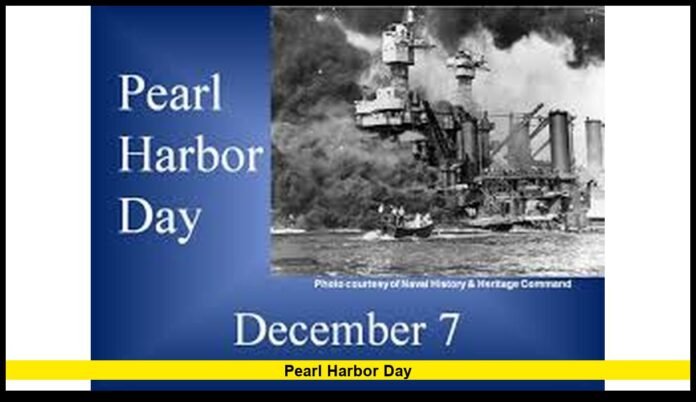

Pearl Harbor Day arrives each December 7, serving as a solemn reminder of the attack on the U.S. Pacific Fleet in 1941, and as Americans across the nation pause to honor those who sacrificed so much. In 2025, the observance carries deeper weight as direct witnesses grow fewer, and communities increasingly rely on stories, education, and commemoration to keep that history alive. On this day, the United States unites in remembrance, reflection, and a renewed commitment to preserving the legacy of courage and loss.
Over the years, the way Americans observe Pearl Harbor Day has shifted. Once centered on stories from living survivors, the honor now extends through museums, classroom lessons, public ceremonies, and digital archives. Even without firsthand voices, the memory endures. This article explores in detail the origins of the December 7 attack, its sweeping consequences, the evolving ways remembrance happens in 2025, and why Pearl Harbor Day remains vital for every generation.
The Morning That Changed History
Just before 8:00 a.m. on December 7, 1941, Japanese warplanes descended on Pearl Harbor. The attack struck without warning. Battleships sat moored, aircraft lined the hangars. Suddenly, bombs and torpedoes rained down. Explosions rocked the harbor. Fires engulfed wooden decks. Smoke filled the skies above Oahu. Americans woke up to horror, chaos, and loss.
By the end of that day, the human cost mounted sharply. The attack took 2,403 American lives — both service members and civilians — while injuring 1,178 more. Ships such as the USS Arizona and USS Utah lay wrecked and sinking. Nearly 200 aircraft lay destroyed or badly damaged. Much of the Pacific Fleet lay crippled. Across the world, leaders watched in stunned silence. The next morning, the United States declared war. The nation entered World War II with full resolve.
That blow to the nation reshaped American history. Pearl Harbor Day marks a turning point: the moment the U.S. moved from reluctant neutrality into active participation. It transformed politics, military strategy, and society. It bound citizens in shared grief and galvanized a generation to defend freedom under fire.
How Pearl Harbor Day Became a National Observance
In the years after the war, Americans sought ways to honor those who died, reflect on collective sacrifice, and ensure remembrance endured. Communities held local ceremonies. Families marked anniversaries privately. Veterans told their stories at reunions. Schools included lessons. Over time, those commemorations evolved into a nationwide observance.
By the mid-1990s, the U.S. Government formally recognized December 7 as a day of remembrance. On Pearl Harbor Day, Americans lower flags to half-staff from sunrise to sunset. Organizations, civic groups, and military establishments join to reflect on the events, sacrifices, and lessons born from that attack. Although it is not a federal holiday, the observance remains powerful — woven into national memory and local traditions alike.
Why the Memory Matters in 2025
Decades have passed since that fateful morning in 1941. Many who witnessed it have long since passed away. Among those still alive, few remain able to travel or speak publicly. As living memory fades, the responsibility of remembrance increasingly falls to institutions, educators, descendants, and communities. Pearl Harbor Day now serves as a bridge between past and future.
Several key shifts shape remembrance today:
- Museums and memorials archive survivor testimonies, photographs, letters, and oral histories.
- Schools integrate lessons about Pearl Harbor Day into social studies and history curricula, ensuring younger generations learn the significance firsthand.
- Veterans’ organizations and descendant groups hold ceremonies and tributes nationwide, expanding remembrance beyond Hawaii.
- Digital media — websites, documentaries, virtual exhibits — offer access to historical materials for those far from archival centers.
Through these efforts, the sacrifices of 1941 avoid fading into obscurity. The story remains alive in classrooms, libraries, family homes, and community centers. For many Americans, Pearl Harbor Day serves not just as remembrance, but as a chance to understand what stands at risk when freedoms encounter aggression.
Common Observances and Traditions
Across the United States and in Hawaii, communities adopt thoughtful rituals to mark Pearl Harbor Day. These observances allow both public tribute and private reflection. Here are common traditions you might see on December 7:
- Flag-lowering ceremonies. Public buildings, city halls, schools, and community centers often fly the American flag at half-mast from sunrise to sunset.
- Moment of silence. Many ceremonies pause at 7:55 a.m. HST — the time when the first bombs struck Pearl Harbor. In mainland U.S., events adjust timing accordingly.
- Wreath-laying and floral tributes. Veterans’ groups, civic organizations, and local officials place wreaths at memorials and monuments.
- Public remembrance services. Even outside Hawaii, churches, VFW halls, and community centers host brief services featuring prayers, tribute readings, and veteran speakers.
- Educational events. Lectures, history-day displays and student presentations help younger audiences understand the events and legacy of that December 7 morning.
- Media tributes and documentaries. Local radio segments, television specials, newspaper articles, and online content revisit eyewitness memories, historic footage, and family stories.
These acts ensure Pearl Harbor Day remains tangible — not as distant history, but as living memory embedded in local communities, even thousands of miles from Oahu.
Education, Archives, and Preserving Truth
One of the most significant changes over time involves how the history of Pearl Harbor is preserved and taught. As firsthand witnesses pass, documented records have become crucial. In 2025, educators, historians, and organizations collaborate to protect that legacy for generations to come.
- Oral history projects. Many survivors recorded their memories decades ago. Those interviews now form part of national archives. Families of survivors continue to contribute additional recorded memories, letters, diaries, or other personal artifacts.
- Digital archives. Historic photographs, naval logs, attack maps, and annotated documents are accessible online. This allows people around the country to explore the events without visiting Hawaii.
- School curricula. History teachers use interactive modules, documentaries, interviews, and primary-source materials to bring the events of December 7 to life. Students discuss not just statistics, but human stories, strategic consequences, and long-term impacts.
- Public exhibitions. Museums and memorial sites across the U.S. host rotating exhibits on the attack, life during World War II, and personal stories of those affected. These exhibits often open in late November and remain through December 7.
All of these efforts help ensure that Pearl Harbor Day remains more than a date on a calendar. It becomes a meaningful opportunity for reflection, learning, and civic understanding.
The Human Cost and the Stories Behind the Numbers
Statistics tell a portion of the story, but behind every number lies a human life. Pearl Harbor Day honors those individuals and the ripple effect their loss had on families, communities, and the nation.
- More than 1,000 sailors lost life aboard the USS Arizona alone. Some perished instantly; others remain entombed in the wreckage still resting on the harbor floor.
- Service members aboard other battleships, destroyers, and support vessels also died or were wounded. Many suffered lifelong injuries.
- Civilians — including harbor workers, shipyard employees, and families — died or endured the attack’s terror.
- Families lost fathers, brothers, husbands. Children lost parents. Survivors carried lifelong trauma, grief, and a sense of duty to share their stories.
For descendants, remembering becomes deeply personal. In towns across America, people gather on December 7 to honor grandparents, great-grandparents, or distant relatives who served. Some wear medals, others display old photographs, while some simply observe a quiet moment of silence. The purpose remains the same: honor the dead, acknowledge the living, and pass on remembrance.
Pearl Harbor Day in American Culture and Memory
Over time, Pearl Harbor Day has grown beyond a historical observance. It touches patriotism, identity, and national values. Each year, across families, communities, and institutions, the collective memory grows richer.
- Movies, books, and documentaries revisit the events of 1941. Those works combine history and personal narratives to keep memories vivid.
- Veterans’ organizations hold educational initiatives — sharing personal letters, photos, and testimonies. Younger generations join to help preserve and retell those stories.
- Public schools host special lessons or assemblies on December 7, often including reflections about service, sacrifice, and national unity.
- Religious institutions, civic groups, and community centers across America include prayers, reflections, or memorials to honor those lost and to support surviving veterans and their families.
Through these diverse channels, the significance of Pearl Harbor Day remains part of American consciousness. The date stands as a beacon reminding people of resilience, unity, and the cost of war.
The Role of Community and Generational Bridges
As time passes, communities in Hawaii will forever have unique historical ties to December 7. Yet mainland cities, small towns, and suburban neighborhoods continue embracing Pearl Harbor Day. That unity matters.
Descendants of veterans often lead local commemorations. Grandchildren or great-grandchildren join wreath-laying ceremonies. They speak publicly, attend memorial events, and share stories on social media. They partner with veterans’ organizations to raise awareness about history and civic duties. Community leaders organize events in schools and public spaces. In these ways, Pearl Harbor Day becomes not just a remembrance of 1941 — but a living practice of respect and national identity.
These generational bridges help sustain the meaning of December 7. Younger Americans learn, appreciate, and carry forward the legacy. Elders share memories. Communities unite around shared values. The story of Pearl Harbor evolves as new voices join the chorus of remembrance.
Why Pearl Harbor Day Still Matters for All Americans
Even after more than eight decades, Pearl Harbor Day remains deeply relevant. Its lessons resonate beyond history books. The observance underscores vital truths about vigilance, sacrifice, and national unity.
- It honors sacrifice. The lives lost and forever changed deserve remembrance. Each December 7, Americans reaffirm their respect for those who paid the ultimate price.
- It preserves history. By teaching the past, society learns about consequences of conflict, importance of peace, and the value of liberty. Knowledge guards against forgetting.
- It strengthens unity. On Pearl Harbor Day, people from all states and backgrounds join in shared commemoration. That unity reflects national solidarity and collective memory.
- It connects generations. Veterans, descendants, educators, and youth all take part. That intergenerational engagement ensures the story remains alive.
As long as Americans remember December 7, the legacy of 1941 remains a part of the nation’s conscience.
Looking Toward the Future: How Remembrance Will Evolve
With each passing year, the methods of remembering evolve. As direct eyewitnesses become fewer, America turns to documentation, education, and community traditions. The legacy no longer depends solely on memory. It relies on dedication.
Expect the following developments in years ahead:
- More digital archives — with video interviews, family photos, interactive maps, and historic records accessible globally.
- Expanded school programs — including multimedia projects, virtual tours of museums, and student-led remembrance projects.
- Greater participation by descendants and community groups — ensuring local ceremonies remain personal, meaningful, and diverse.
- Wider media coverage — documentaries, podcasts, articles, and social media stories spotlight personal memories, historical context, and lessons learned.
Through these channels, Pearl Harbor Day will remain alive in hearts and minds. Even without survivors present, the impact of December 7 endures.
A National Moment of Reflection and Responsibility
Pearl Harbor Day remains more than a date. It represents a national moment of shared grief, remembrance, and purpose. Observance offers both tribute and a call to values: honor, remembrance, unity, and peace.
When Americans lower flags, attend ceremonies, or pause quietly at 7:55 a.m. HST, they remind themselves — and future generations — of what was lost. They reaffirm a commitment to remember those lives, to understand the price of conflict, and to uphold the freedoms for which so many sacrificed.
In 2025 and beyond, communities across the nation remain dedicated to keeping alive the memories of 1941. Through stories, education, and collective remembrance, Pearl Harbor Day continues to resonate deeply in American life.
If you feel moved, please share your reflections or family memories below. Let’s honor the legacy of Pearl Harbor Day together.