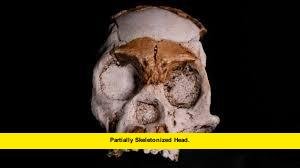

A partially skeletonized head is a rare and complex medical or forensic condition in which portions of the skull become exposed due to the loss or absence of soft tissue such as skin, muscle, or connective structures. This condition can occur in both clinical and investigative contexts, often raising serious concerns about underlying causes, patient safety, and long-term outcomes.
In this article, we explore what a partially skeletonized head means, its causes, medical implications, and available treatments as of 2026.
What Is a Partially Skeletonized Head?
A partially skeletonized head refers to a condition where sections of the skull are visible because overlying tissues have deteriorated, been removed, or failed to develop. This is not a single diagnosis but rather a descriptive term used in:
- Medical cases involving severe trauma or infection
- Forensic investigations involving decomposition
- Rare congenital conditions affecting tissue formation
The severity can range from small localized exposure to large portions of the skull being visible.
Common Causes of a Partially Skeletonized Head
Severe Trauma
Traumatic injuries are one of the most common causes. These may include:
- High-impact accidents
- Surgical complications
- Penetrating injuries
In such cases, tissue damage may be so extensive that underlying bone becomes exposed.
Advanced Infections
Certain aggressive infections can destroy soft tissue rapidly. Conditions such as:
- Necrotizing Fasciitis
- Severe untreated bacterial or fungal infections
These infections can lead to tissue death (necrosis), exposing the skull if not treated promptly.
Cancer and Tumor Removal
Patients undergoing treatment for head or scalp cancers may experience tissue loss due to:
- Surgical excision of tumors
- Radiation therapy damage
- Recurring malignancies
In extreme cases, reconstruction may be delayed, leaving parts of the skull temporarily exposed.
Forensic Decomposition
In forensic science, a partially skeletonized head often refers to a body in a state of decomposition where:
- Soft tissues have broken down due to environmental exposure
- Insects and bacteria accelerate tissue loss
This is commonly observed in outdoor or unattended death cases.
Congenital Abnormalities
Rare birth defects can also result in partial absence of scalp or skull coverage. Conditions like:
- Aplasia Cutis Congenita
may cause localized areas where skin is missing at birth, sometimes exposing underlying bone.
Symptoms and Warning Signs
Depending on the cause, symptoms can vary widely but may include:
- Visible bone or exposed skull
- Severe pain or numbness
- Infection signs such as redness, swelling, or discharge
- Fever in infection-related cases
- Neurological symptoms if deeper structures are affected
Immediate medical attention is essential when any of these symptoms appear.
Medical Risks and Complications
A partially skeletonized head is a serious condition that can lead to life-threatening complications:
Infection Risk
Exposed bone is highly vulnerable to infection, which can spread to:
- Brain tissue
- Bloodstream (sepsis)
Neurological Damage
If the protective layers of the brain are compromised, patients may experience:
- Cognitive impairment
- Motor dysfunction
- Seizures
Cosmetic and Psychological Impact
Visible cranial deformities can significantly affect:
- Self-esteem
- Mental health
- Social interaction
Diagnosis and Evaluation
Doctors use a combination of techniques to assess the condition:
- Imaging scans (CT, MRI) to evaluate bone and brain involvement
- Biopsy or lab tests to identify infection or cancer
- Physical examination to assess tissue damage
Early diagnosis greatly improves outcomes.
Treatment Options in 2026
Treatment depends on the underlying cause but generally involves a multidisciplinary approach.
Emergency Care
- Stabilization of the patient
- Infection control with antibiotics
- Wound cleaning and debridement
Surgical Reconstruction
Modern reconstructive surgery offers advanced solutions:
- Skin grafts
- Tissue flaps (using nearby or distant tissue)
- 3D-printed implants for skull repair
Infection Management
For infection-related cases:
- Intravenous antibiotics
- Antifungal medications if needed
- Repeated surgical cleaning
Oncology Treatment
If cancer is involved:
- Tumor removal
- Radiation therapy
- Chemotherapy
Long-Term Rehabilitation
Patients may require:
- Physical therapy
- Neurological rehabilitation
- Psychological counseling
Advances in Medical Technology
As of 2026, significant progress has been made in treating severe cranial conditions:
- 3D bioprinting for customized implants
- Regenerative medicine to grow new tissue
- Improved infection control techniques
These innovations are improving survival rates and quality of life for affected individuals.
Prevention Strategies
While not all cases are preventable, risk can be reduced by:
- Prompt treatment of infections
- Protective measures to avoid head injuries
- Regular medical checkups for early detection of tumors
- Proper wound care
Conclusion
A partially skeletonized head is a rare but serious condition that requires immediate medical attention and specialized care. Whether caused by trauma, infection, cancer, or congenital abnormalities, early diagnosis and advanced treatment options can significantly improve outcomes. With ongoing medical advancements, patients today have more hope than ever for recovery and reconstruction.