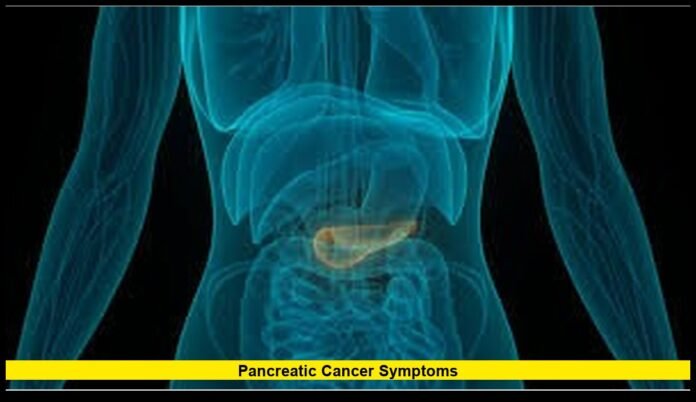

Pancreatic cancer symptoms remain one of the most urgent focus areas in U.S. healthcare because the disease often develops silently before diagnosis. In 2026, clinicians across the United States continue to emphasize early recognition of subtle warning signs, risk-based screening, and faster diagnostic evaluation to improve survival outcomes.
Pancreatic cancer is widely known for late detection. Many patients experience vague digestive issues or general health changes long before diagnosis. Medical professionals now stress public awareness, especially among adults over 50 and individuals with elevated risk factors.
Recent care models in the U.S. prioritize earlier imaging, genetic assessment for high-risk families, and monitoring metabolic changes such as sudden diabetes onset. These efforts aim to identify cancer sooner, when treatment options are more effective.
Understanding Why Symptoms Often Appear Late
The pancreas sits deep within the abdomen, behind the stomach. Tumors can grow without causing immediate discomfort.
This anatomical location explains several challenges:
- Early tumors rarely create obvious physical signs
- Symptoms often resemble common digestive problems
- Many patients delay medical evaluation
- Primary care visits may initially focus on more common conditions
Healthcare systems now stress pattern recognition rather than relying on a single symptom.
Doctors increasingly evaluate persistent combinations of changes rather than isolated complaints.
Most Recognized Pancreatic Cancer Symptoms
Although experiences vary, several warning signs appear consistently in U.S. clinical practice.
Jaundice
Jaundice is one of the most visible indicators.
It occurs when a tumor blocks the bile duct, causing bilirubin to build up in the body.
Common associated changes include:
- Yellowing of skin and eyes
- Dark urine
- Pale or clay-colored stools
- Persistent itching
Tumors located in the head of the pancreas often produce jaundice earlier than tumors in other areas.
Unintentional Weight Loss
Unexpected weight loss is a major warning signal.
Cancer can alter metabolism, reduce appetite, and disrupt digestion. Many patients report weight loss before receiving a diagnosis.
Medical evaluation becomes important when weight drops without lifestyle changes, especially when fatigue or digestive symptoms occur at the same time.
Abdominal and Back Pain
Pain is common but varies widely.
Patients often describe:
- Dull upper abdominal discomfort
- Pain radiating to the mid-back
- Increased discomfort after eating
- Relief when leaning forward
Pain may be intermittent at first, which can delay evaluation.
Digestive Changes
The pancreas produces enzymes that help break down food. Tumors can interfere with this process.
Digestive symptoms may include:
- Bloating
- Nausea
- Loss of appetite
- Greasy or floating stools
- Diarrhea
- Early fullness
These signs are frequently mistaken for routine gastrointestinal issues.
New-Onset Diabetes
Sudden diabetes diagnosis in adults over 50 is now considered an important warning sign.
Researchers continue to study the connection between pancreatic tumors and blood sugar regulation.
Important clues include:
- Diabetes without typical risk factors
- Rapid changes in blood sugar levels
- Diabetes combined with weight loss
- Need for medication escalation soon after diagnosis
This area remains a major focus of early detection research in the United States.
Symptoms That Receive Less Attention but Matter
Some warning signs are less widely recognized but appear in clinical settings.
These include:
- Persistent fatigue
- Depression or mood changes
- Blood clots without clear cause
- Enlarged gallbladder detected during exams
- Ongoing appetite loss
Doctors now consider symptom clusters rather than isolated complaints.
How Tumor Location Influences Symptoms
Symptom patterns differ depending on where cancer develops.
| Pancreas Area | Typical Signs |
|---|---|
| Head | Jaundice, itching, stool color changes |
| Body | Abdominal pain, weight loss |
| Tail | Later detection, back pain, fatigue |
Tumors in the tail often go unnoticed longer because they rarely cause early bile duct blockage.
Risk Factors That Increase Symptom Importance
Recognizing risk helps interpret symptoms more accurately.
Major U.S. risk factors include:
- Age over 55
- Smoking history
- Obesity
- Chronic pancreatitis
- Family history of pancreatic cancer
- Certain inherited genetic mutations
- Long-standing diabetes
- Heavy alcohol use linked to pancreatic inflammation
Risk-based monitoring programs are expanding at major cancer centers.
Current U.S. Medical Developments (2026)
Healthcare systems continue to adjust strategies to improve detection.
Key confirmed developments include:
- Increased genetic counseling availability
- High-risk screening clinics at academic hospitals
- Broader use of endoscopic ultrasound for suspicious symptoms
- Blood-based biomarker research moving closer to clinical use
- Faster referral protocols after primary care evaluation
These changes reflect a shift toward proactive identification rather than reactive diagnosis.
Early Warning Patterns Doctors Emphasize
Clinicians increasingly look for patterns rather than single symptoms.
Important combinations include:
- Jaundice plus weight loss
- Digestive changes plus fatigue
- New diabetes plus appetite loss
- Back pain plus unexplained weight loss
- Persistent digestive issues that do not respond to treatment
Pattern recognition often triggers imaging sooner.
When Americans Should Seek Medical Evaluation
Medical attention is recommended when symptoms persist for several weeks or worsen.
Situations that require prompt evaluation:
- Yellowing of the skin or eyes
- Ongoing abdominal pain without explanation
- Sudden weight loss
- Persistent nausea or appetite loss
- Blood sugar changes without clear cause
- Stool changes lasting more than a few weeks
Early evaluation does not confirm cancer but improves diagnostic speed.
Diagnostic Pathways in the United States
Doctors follow structured evaluation steps when pancreatic cancer is suspected.
Typical process:
- Detailed medical history
- Physical examination
- Blood tests including liver function markers
- CT scan or MRI imaging
- Endoscopic ultrasound for closer evaluation
- Biopsy confirmation
Multidisciplinary teams often review cases to guide treatment decisions.
Why Early Recognition Directly Affects Survival
Stage at diagnosis remains the most important survival factor.
When detected early:
- Surgery may be possible
- Treatment options expand
- Outcomes improve
- Complications may be reduced
Late-stage disease typically requires systemic therapy rather than surgery.
This explains the strong focus on symptom awareness across U.S. public health campaigns.
Differences Between Common Digestive Issues and Cancer Warning Signs
Many symptoms overlap with routine conditions such as reflux, gallbladder disease, or irritable bowel syndrome.
Doctors pay attention to:
- Symptoms that persist beyond typical timelines
- Multiple symptoms appearing together
- Symptoms worsening over time
- Lack of response to standard treatment
- Metabolic changes like weight loss or diabetes
Duration and pattern help guide decisions.
Impact of New Diabetes Research
One of the most important shifts in recent years involves the link between pancreatic cancer and diabetes.
Researchers now monitor:
- Sudden diabetes after age 50
- Diabetes accompanied by weight loss
- Patients requiring rapid medication escalation
- Individuals with family history plus metabolic change
Primary care physicians increasingly consider imaging when these factors appear together.
Symptom Awareness in High-Risk Groups
High-risk individuals receive closer monitoring.
Groups commonly included:
- People with genetic mutations linked to pancreatic cancer
- Families with multiple affected relatives
- Patients with chronic pancreatitis
- Long-term smokers with digestive symptoms
- Individuals with pancreatic cysts under surveillance
Specialized programs track these populations over time.
Emerging Tools Aiming to Detect Symptoms Earlier
Medical research continues to focus on identifying disease before advanced symptoms appear.
Areas of active development:
- Blood-based early detection tests
- Artificial intelligence analyzing electronic health records
- Imaging improvements for smaller tumors
- Biomarker panels combining multiple signals
- Screening models using symptom scoring
These tools aim to support earlier clinical suspicion.
Psychological and Emotional Changes as Warning Signs
Patients sometimes experience emotional changes before diagnosis.
Reported patterns include:
- Persistent fatigue affecting daily activity
- Loss of motivation
- Anxiety related to unexplained health changes
- Depression without clear triggers
These changes may reflect physical effects of disease rather than psychological causes alone.
Clinicians now consider these symptoms alongside physical changes.
Tracking Symptoms at Home
Doctors encourage people to monitor ongoing health changes.
Helpful tracking methods:
- Recording weight weekly
- Noting digestive changes
- Monitoring blood sugar trends
- Documenting pain patterns
- Taking photos if jaundice appears
Symptom timelines can help clinicians identify concerning patterns quickly.
Why Public Awareness Continues to Increase
Pancreatic cancer awareness campaigns have grown across the United States.
Reasons include:
- Rising incidence trends
- Historically low early detection rates
- Strong link between stage and survival
- Advances in treatment creating more urgency for early diagnosis
- Increased public discussion following high-profile diagnoses
Awareness efforts focus heavily on recognizing symptoms sooner.
Common Misconceptions About Symptoms
Several misunderstandings persist.
Important clarifications:
- Early pancreatic cancer may cause no symptoms
- Mild digestive problems can still require evaluation if persistent
- Weight loss should never be ignored
- Jaundice is not always caused by liver disease
- Back pain can be related to abdominal conditions
Understanding these misconceptions helps people seek care earlier.
What Patients Should Discuss With Their Doctor
During evaluation, clinicians often ask about:
- Symptom duration
- Changes in appetite
- Weight history
- Family history of cancer
- Smoking history
- Diabetes onset timeline
- Pain characteristics
Clear communication improves diagnostic accuracy.
Key Takeaways for 2026
Pancreatic cancer symptoms remain subtle but critically important.
The most significant warning signs include:
- Jaundice
- Unexplained weight loss
- Persistent abdominal or back pain
- Digestive changes
- New-onset diabetes after age 50
- Appetite loss and fatigue
U.S. healthcare continues shifting toward earlier evaluation, risk-based screening, and faster diagnostic pathways.
Awareness among both patients and clinicians remains one of the strongest tools for improving outcomes.
What changes in health have you noticed recently that should not be ignored? Share your perspective and continue following updates as medical research advances early detection.