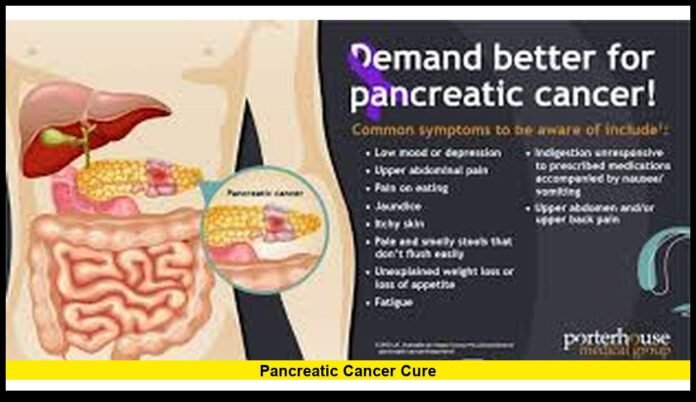

Pancreatic cancer cure research has reached a decisive stage in 2026 as verified clinical advances, new drug combinations, and immune-based treatments continue to improve survival and long-term disease control across the United States. Although the medical community does not yet recognize a single universal cure, several treatment strategies are now producing deep, lasting responses that were rarely seen in the past, reshaping expectations for patients and families facing this aggressive disease.
Pancreatic cancer remains one of the most challenging cancers to treat because it often spreads silently and resists standard therapies. Even so, current scientific progress is narrowing the gap between management and long-term remission, and in some carefully selected cases, complete tumor eradication.
The Biology That Made Pancreatic Cancer So Hard to Defeat
Pancreatic tumors develop within a dense, fibrotic environment that blocks drug penetration and shields cancer cells from immune attack. At the same time, most tumors carry mutations that drive rapid growth and treatment resistance. These features explain why traditional chemotherapy and radiation produced limited survival gains for decades.
Key barriers have included:
- Late diagnosis due to subtle early symptoms
- Poor blood supply inside tumors, reducing drug delivery
- Strong immune suppression within the tumor microenvironment
- Genetic mutations that promote rapid adaptation
Overcoming these obstacles is essential for any realistic pancreatic cancer cure strategy.
Immunotherapy Finally Gaining Traction
For many years, immunotherapy transformed other cancers but showed little effect in pancreatic disease. That situation is changing as scientists learn how to modify both the immune system and the tumor environment.
Personalized T-Cell Engineering
New techniques now allow doctors to collect a patient’s own T cells and train them to recognize several pancreatic cancer targets at the same time. Early-stage clinical results demonstrate:
- Stronger immune activation within tumors
- Sustained tumor shrinkage in some advanced cases
- Evidence of long-term immune memory that may prevent recurrence
This approach aims to eliminate cancer cells with the body’s own defenses rather than relying solely on toxic drugs.
Multi-Target Immune Checkpoint Therapy
Single checkpoint inhibitors showed limited benefit in pancreatic cancer. New regimens now block multiple immune suppression signals simultaneously, which has resulted in:
- Reawakened immune cells inside tumors
- Increased infiltration of cancer-killing lymphocytes
- Longer disease control when combined with chemotherapy
These combinations are being tested in national clinical trials and are viewed as central to future curative strategies.
Tumor Microenvironment Modifiers
Another breakthrough involves weakening the physical and biochemical barriers that protect pancreatic tumors. Drugs that disrupt these defenses allow immune cells and chemotherapy to reach cancer more effectively, improving response rates and treatment durability.
Targeted Medicine and Genetic Precision
Modern pancreatic cancer care increasingly depends on identifying the genetic drivers of each tumor and matching them with specific drugs.
KRAS and Downstream Pathway Blockers
KRAS mutations are present in the majority of pancreatic cancers and were long considered untreatable. In 2026:
- New inhibitors are suppressing key KRAS-related pathways
- Combination regimens are delaying resistance
- Tumor regression has been documented in advanced disease
Blocking these pathways directly interferes with cancer growth at its source, a vital step toward lasting remission.
Antibody-Drug Conjugates
Highly specialized antibodies now deliver chemotherapy directly to cancer cells while sparing most normal tissue. These treatments:
- Increase drug concentration within tumors
- Reduce side effects
- Improve patient tolerance and treatment continuity
Several patients receiving these therapies have achieved prolonged disease control and, in select cases, complete radiographic response.
Chemotherapy Reinvented Through Combination Science
Standard chemotherapy remains a backbone of pancreatic cancer treatment, but its impact has improved through strategic pairing with targeted and immune agents.
Recent clinical outcomes show:
- Higher one-year and two-year survival rates
- Greater tumor shrinkage before surgery
- Improved symptom relief and functional status
By weakening tumors before surgery, these regimens increase the number of patients who become candidates for potentially curative operations.
Surgery and the Path to Long-Term Survival
Complete surgical removal of the tumor offers the best chance for long-term survival when the disease is localized. Advances in surgical technique and pre-operative therapy have expanded eligibility.
Current improvements include:
- Robotic and minimally invasive pancreatic procedures
- Enhanced recovery protocols
- Lower complication rates
- Better post-surgical immune and drug therapy integration
More patients are now reaching surgery with smaller, less invasive tumors, improving the likelihood of complete resection.
Early Detection: Transforming the Cure Landscape
Late diagnosis remains the greatest barrier to cure. Early detection efforts in 2026 focus on identifying cancer before symptoms appear.
Blood-Based Screening Panels
New multi-marker blood tests can detect pancreatic cancer signals earlier than previous single-marker methods. These panels:
- Identify disease at potentially operable stages
- Support surveillance of high-risk individuals
- Improve monitoring after treatment
Advanced Imaging and Artificial Intelligence
Machine-learning tools are enhancing imaging interpretation by detecting subtle pancreatic abnormalities. This technology improves:
- Accuracy of early tumor detection
- Assessment of treatment response
- Planning of precise surgical intervention
Earlier diagnosis significantly increases the chance of long-term survival and, in some cases, complete cure.
Clinical Trials Driving Curative Innovation
Across the United States, large research networks are testing next-generation therapies designed to eliminate microscopic residual disease and prevent recurrence.
Key areas of investigation include:
- Personalized cancer vaccines
- Modified immune cell therapies
- Tumor-stroma targeting agents
- Combination molecular inhibitors
- Adaptive treatment sequencing
Participation in these studies is helping establish the treatment protocols that may define curative care in the near future.
Redefining “Cure” in Pancreatic Cancer
Modern oncology increasingly views cure not only as immediate tumor disappearance but as long-term, relapse-free survival with restored quality of life. Current benchmarks include:
- No detectable disease on advanced imaging
- Sustained remission beyond five years
- Normalization of tumor markers
- Ongoing immune surveillance preventing regrowth
Several contemporary treatment programs are now achieving these outcomes in select patient groups, particularly when early detection and precision therapy align.
What the 2026 Evidence Shows
The verified clinical and scientific data from 2026 demonstrate that:
- Pancreatic cancer is becoming more biologically controllable
- Resistance mechanisms are being neutralized
- Immunotherapy is now active against this disease
- Targeted drugs are personalizing care
- Early detection is improving surgical success
These advances are steadily closing the gap between treatment and long-term eradication.
Outlook for Patients and Families
For individuals diagnosed today, the therapeutic landscape is broader and more hopeful than at any previous time. Multidisciplinary care now integrates:
- Genetic profiling
- Precision drug selection
- Immune modulation
- Advanced imaging
- Expert surgical planning
This coordinated approach maximizes the chance of deep remission and sustained survival.
While no single therapy yet guarantees a universal pancreatic cancer cure, the combined progress of immunology, molecular medicine, surgery, and early detection has created realistic pathways toward long-term disease freedom for an increasing number of patients.
The journey toward a pancreatic cancer cure is accelerating. As research continues and new therapies emerge, staying informed and engaged will be essential for patients, caregivers, and all who follow this evolving medical frontier.