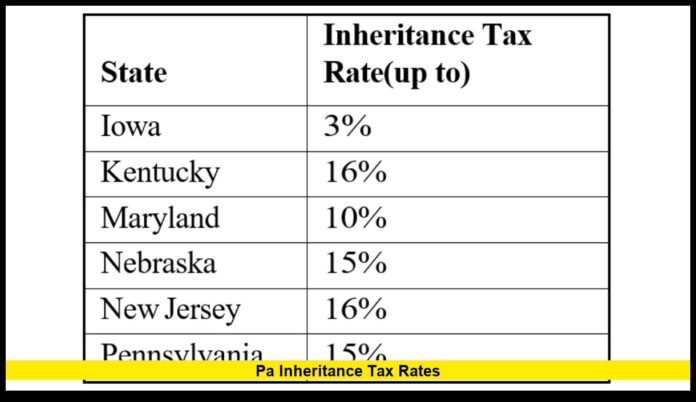

PA inheritance tax rates continue to play a major role in how wealth is transferred after death in Pennsylvania, with the current system remaining fully active and unchanged as of today. For families settling estates or preparing for future transfers, these rates directly affect how much beneficiaries ultimately receive and how quickly obligations must be resolved.
Pennsylvania stands apart from most states because it taxes inheritances rather than estates. This structure places responsibility on heirs themselves, making awareness of current rules essential. From immediate family members to distant relatives and non-family beneficiaries, the tax impact varies widely based on relationship and asset type.
Understanding How PA Inheritance Tax Works
The Pennsylvania inheritance tax is imposed on the transfer of property from a deceased person to their beneficiaries. Unlike an estate tax, which is paid before assets are distributed, this tax applies after death and is calculated separately for each heir.
The amount owed depends on:
- The beneficiary’s relationship to the deceased
- The fair market value of inherited assets
- The timing of payment
All taxable transfers are valued as of the date of death, not when assets are sold or transferred later.
Current PA Inheritance Tax Rates in Effect Today
Pennsylvania law sets fixed rates based on family relationship. These rates apply statewide and are not subject to local variation.
The current rates are:
- 0% for transfers to a surviving spouse
- 0% for transfers from a child aged 21 or younger to a parent
- 4.5% for transfers to direct descendants and ancestors
- 12% for transfers to siblings
- 15% for transfers to all other beneficiaries
Direct descendants include children, grandchildren, and great-grandchildren. Direct ancestors include parents and grandparents.
These rates apply regardless of the size of the estate. Even small inheritances may trigger tax liability if the beneficiary falls into a taxable category.
Why Relationship Status Matters So Much
Pennsylvania’s system heavily favors immediate family members. Spouses pay nothing, while children and parents benefit from the lowest taxable rate.
By contrast, siblings face a significantly higher burden, and non-family beneficiaries experience the highest rate. This structure often leads to unexpected outcomes when estate plans rely on equal distributions across different types of heirs.
Because the tax is calculated individually, two beneficiaries receiving identical assets may owe very different amounts.
Assets Subject to PA Inheritance Tax
Most tangible and financial assets located in Pennsylvania are subject to inheritance tax.
Common taxable assets include:
- Residential and commercial real estate
- Checking, savings, and investment accounts
- Vehicles, collectibles, and jewelry
- Business interests and partnership shares
Assets are assessed at fair market value on the date of death. Appraisals may be required for real estate, businesses, or valuable personal property.
Life insurance proceeds paid directly to a named beneficiary are generally excluded from inheritance tax calculations.
Special Considerations for Pennsylvania Real Estate
Real estate rules are especially important for estates with property holdings.
Pennsylvania taxes all real estate located within the state, even if the deceased was not a resident. Property located outside Pennsylvania is not subject to the tax.
Ownership structure affects taxation:
- Property jointly owned with a spouse is typically exempt
- Property jointly owned with non-spouses may be partially taxable
- Solely owned property is fully taxable
Valuation is based on market conditions at the time of death, not the original purchase price.
Filing Requirements and Who Is Responsible
A Pennsylvania inheritance tax return must be filed for every estate that includes taxable assets, even if no tax is ultimately owed.
The return is usually filed by:
- The executor named in the will
- The administrator appointed by the court
Although the estate often submits the paperwork and payment, beneficiaries remain legally responsible for the tax tied to their inheritances.
Deadlines and the Early Payment Advantage
Timing plays a major role in the final cost.
Pennsylvania allows a discount for prompt payment:
- Tax is due within nine months of the date of death
- A 5% discount applies if payment is made within three months
- Interest accrues after the nine-month deadline
For larger inheritances, the early payment discount can result in substantial savings.
Relief for Family Farms and Closely Held Businesses
Pennsylvania provides targeted relief for certain family-owned operations.
Qualified agricultural property and closely held family businesses may receive favorable treatment if ownership remains within the family and operational requirements are met after transfer.
These provisions are designed to prevent forced sales that could disrupt long-standing family enterprises.
Common Errors That Increase Tax Burden
Even with stable rules, mistakes are frequent.
Issues that often increase costs include:
- Missing the three-month discount window
- Incorrect asset valuations
- Assuming all family transfers are tax-free
- Delays caused by probate disputes
Accurate records and timely filings help avoid unnecessary penalties and interest.
No Legislative Changes Confirmed
As of today, Pennsylvania has not enacted any changes to inheritance tax rates or exemptions. Discussions about reform continue periodically, but no approved measures are in place.
For estates currently being settled, the existing rules apply in full. Any future changes would require formal approval before taking effect.
Why PA Inheritance Tax Rates Matter More Now
Rising home values and larger investment portfolios have increased the tax exposure for many families. Inherited property that once carried minimal liability may now result in a noticeable tax bill.
This is especially true for siblings and non-family heirs, who face higher rates regardless of estate size.
Understanding PA inheritance tax rates helps families:
- Anticipate net inheritance amounts
- Avoid liquidity issues
- Plan asset distributions more effectively
Because the tax is paid by heirs, awareness is critical during emotionally difficult periods.
What Beneficiaries Should Expect Next
Estate settlement timelines vary, but tax obligations begin immediately after death. Delays in probate do not pause the inheritance tax clock.
Beneficiaries should expect:
- Asset valuation soon after death
- Filing of inheritance tax returns within months
- Payment requests before distributions are finalized
Being proactive reduces stress and financial surprises.
Final Thoughts for Pennsylvania Families
Pennsylvania’s inheritance tax system remains firmly in place, and its impact reaches far beyond large estates. From family homes to modest savings accounts, inherited assets are subject to clear and enforceable rules.
Staying informed about PA inheritance tax rates allows families to make confident decisions during estate administration and future planning.
Understanding how PA inheritance tax rates affect your inheritance today can help you stay prepared—feel free to share your thoughts or check back for future updates.