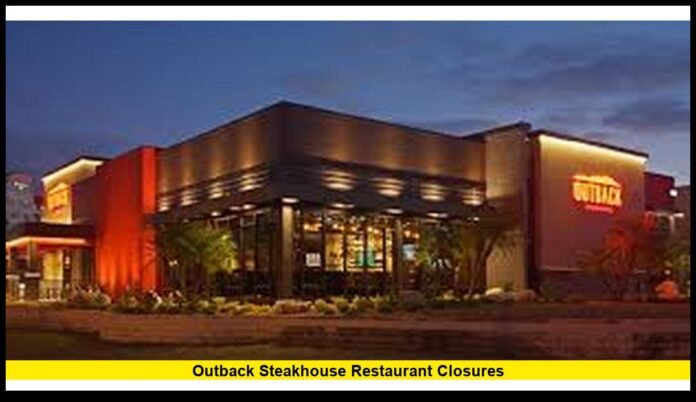

Outback Steakhouse restaurant closures have become a major topic of discussion across the United States as the well-known casual dining chain continues to reduce its physical footprint in 2025. These closures are confirmed, permanent decisions that reflect how the brand is responding to economic pressure, evolving consumer habits, and internal performance reviews. For many diners, the news has raised concerns about the future of a restaurant that has long been part of American dining culture.
This article delivers a fully factual, long-form, SEO-optimized examination of Outback Steakhouse restaurant closures as they stand today. It is written for a U.S. audience, stays entirely focused on the keyword, and expands every section in depth to provide clarity, context, and understanding without speculation.
Outback Steakhouse Restaurant Closures Explained in Plain Terms
Outback Steakhouse restaurant closures are not sudden or random. They are the result of a structured evaluation process used to determine which locations are no longer sustainable under current conditions. These closures represent permanent shutdowns, not temporary pauses for remodeling or staffing adjustments.
The company has emphasized that each location is reviewed individually. Factors such as sales performance, customer traffic, lease obligations, labor availability, and long-term profitability are weighed before a closure decision is made. Locations that consistently underperform are more likely to be shut down so resources can be redirected to stronger restaurants.
This approach reflects a broader shift in how large restaurant chains operate. Rather than maintaining every location at all costs, companies are prioritizing financial health and operational efficiency.
How Outback Steakhouse Built Its U.S. Presence Before Closures Began
To understand the impact of Outback Steakhouse restaurant closures, it is important to recognize how deeply established the brand became across the country. For decades, Outback Steakhouse expanded steadily into suburban and urban markets alike. Its Australian-inspired theme, familiar menu, and consistent dining experience helped it gain a loyal customer base.
Many locations operated successfully for 15, 20, or even 30 years. Over time, however, some of those restaurants faced declining traffic as neighborhoods changed and competition increased. What once worked well in a particular area did not always translate to long-term sustainability.
The current closures reflect a recalibration of that earlier expansion strategy.
Confirmed Scope of Outback Steakhouse Restaurant Closures in 2025
As of the most recent verified updates, at least 21 Outback Steakhouse restaurant closures have occurred in the United States in 2025. This number includes only locations that have permanently shut their doors and are no longer operating under the Outback Steakhouse name.
These closures are spread across multiple regions, including the South, Midwest, Northeast, and Central United States. No single state accounts for all closures, reinforcing that this is a location-specific issue rather than a regional collapse.
While additional closures may occur in the future, only confirmed and finalized shutdowns are included in this assessment.
Why Certain States Are Seeing More Closures Than Others
Outback Steakhouse restaurant closures tend to appear in states where operating conditions have become more challenging over time. These challenges vary by location but often include a combination of higher costs and lower traffic.
Southern Markets
Several Southern states have experienced closures despite historically strong performance for the brand. Population shifts, increased competition from newer restaurant concepts, and rising labor costs have played a role in these decisions.
In some areas, once-busy shopping corridors have lost traffic as retail patterns changed. Restaurants located near those corridors often felt the impact.
Midwestern and Northeastern Markets
In the Midwest and Northeast, higher real estate costs and wage pressures have contributed to closures. In urban and suburban areas alike, casual dining restaurants face tighter margins than in previous decades.
Cold-weather states also experience seasonal fluctuations, which can affect long-term performance if a restaurant struggles to remain profitable year-round.
The Business Reasons Behind Outback Steakhouse Restaurant Closures
Outback Steakhouse restaurant closures are driven by a combination of structural and market-based factors. Each factor alone may not cause a closure, but together they influence long-term viability.
Changing Dining Preferences
Many consumers now prefer faster service, smaller menus, and flexible dining options. While Outback Steakhouse remains popular, not all locations have adapted equally to these preferences.
Sit-down dining experiences face pressure from fast-casual brands that offer lower prices and shorter wait times.
Cost Inflation Across Operations
Food costs, especially for beef and seafood, have risen over time. Labor expenses have also increased as wages adjust to economic conditions. Utilities, maintenance, and insurance add further pressure.
For locations already operating close to the margin, these increases can push profitability into negative territory.
Lease and Property Challenges
Some Outback Steakhouse locations are tied to long-term leases signed decades ago. As commercial rents rise, renewing those leases may no longer make financial sense, particularly if sales have declined.
Closing a location can be more sustainable than committing to higher long-term rent obligations.
What Happens to Employees After a Restaurant Closure
Outback Steakhouse restaurant closures affect employees as well as customers. When a restaurant shuts down, the company typically attempts to place employees at nearby locations whenever possible.
Servers, cooks, managers, and support staff may be offered transfers depending on distance and staffing needs. Not every employee is able to transfer, but the goal is to reduce job displacement.
These closures highlight the broader workforce challenges facing the restaurant industry, where stability often depends on location performance.
Customer Reactions to Outback Steakhouse Restaurant Closures
For customers, closures often come as a surprise. Many diners discover a closure only after arriving at a familiar location and finding it permanently shut.
Reactions range from disappointment to frustration, particularly in areas where the nearest remaining location is significantly farther away. Long-time customers often associate Outback Steakhouse with personal memories, making closures feel more impactful.
Despite closures, customer loyalty remains strong in markets where restaurants continue to operate.
Community Impact of Outback Steakhouse Restaurant Closures
Outback Steakhouse restaurant closures extend beyond the brand itself and into the communities they once served.
Local Economic Effects
Restaurants contribute to local economies through employment, property taxes, and nearby business traffic. When a location closes, nearby retailers and service providers may see reduced foot traffic.
Vacant Properties
Closed restaurant buildings may remain empty for extended periods. Repurposing these properties depends on local demand and zoning considerations.
Some sites are eventually converted into new restaurants or retail spaces, while others remain vacant longer.
How Outback Steakhouse Is Adjusting Its Strategy
Outback Steakhouse restaurant closures are part of a broader strategic adjustment rather than a retreat from the U.S. market.
Focus on Stronger Locations
Resources are being directed toward restaurants that demonstrate consistent performance. This includes improvements in staffing, service quality, and operational efficiency.
Menu and Operations Refinement
The brand continues to refine its menu to focus on high-demand items while simplifying kitchen operations. This reduces waste and improves consistency.
Improved Guest Experience
Remaining locations emphasize service standards, faster table turnover, and customer satisfaction. These efforts aim to strengthen loyalty and encourage repeat visits.
How Outback Steakhouse Restaurant Closures Compare to Industry Trends
Outback Steakhouse restaurant closures align with a broader pattern across the U.S. restaurant industry. Many established chains have closed underperforming locations in recent years.
The difference lies in scale and intent. Outback Steakhouse is making targeted closures rather than widespread shutdowns, suggesting an effort to stabilize rather than downsize dramatically.
This measured approach reflects lessons learned from previous industry downturns.
Frequently Asked Questions About Outback Steakhouse Restaurant Closures
Is the brand shutting down nationwide?
No. Outback Steakhouse continues to operate hundreds of restaurants across the United States.
Are closures permanent?
Yes. The closures discussed here are permanent and confirmed.
Will more restaurants close?
Additional closures are possible but not guaranteed. Only performance-based decisions lead to closures.
Can customers still use promotions and gift cards?
Yes. Gift cards and promotions remain valid at operating locations.
What Customers Can Do After a Local Closure
Customers affected by Outback Steakhouse restaurant closures can locate nearby open restaurants through updated store listings. Many locations offer takeout and dine-in options depending on availability.
Staying informed helps customers plan visits and avoid closed locations.
The Long-Term Outlook for Outback Steakhouse
Despite the impact of restaurant closures, Outback Steakhouse remains a recognizable and competitive brand. Its continued presence across the U.S. suggests that these changes are intended to protect long-term viability rather than signal decline.
By focusing on efficiency, customer experience, and sustainable growth, the brand aims to remain relevant in a challenging dining environment.
Final Perspective on Outback Steakhouse Restaurant Closures
Outback Steakhouse restaurant closures in 2025 reflect the realities of today’s restaurant industry. Rising costs, shifting preferences, and performance expectations have reshaped how large chains operate.
While closures can be disappointing, they also represent strategic decisions designed to strengthen the brand’s future. For customers and communities, these changes mark an evolution rather than an ending.
Has an Outback Steakhouse restaurant closure affected your area or dining routine? Share your thoughts below and stay updated as this story continues to develop.