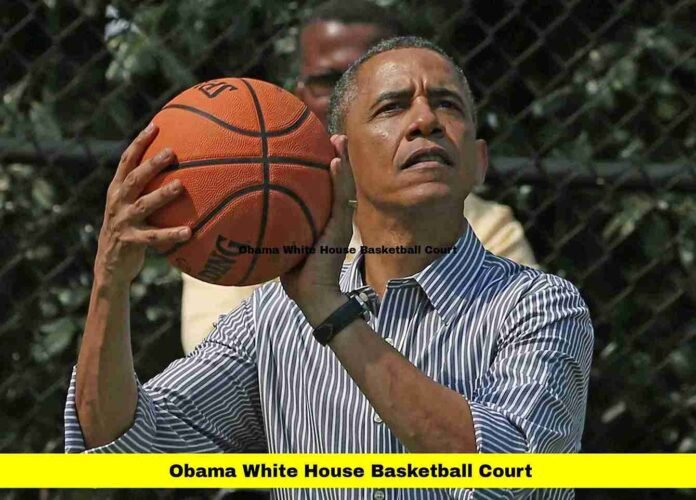

The Obama White House basketball court became one of the most iconic additions to the presidential residence, showcasing Barack Obama’s deep love for basketball and fitness. Within his first year in office, Obama transformed part of the White House tennis court on the South Lawn into a fully functional basketball court — creating a space that merged recreation, diplomacy, and American culture.
The Birth of the Obama White House Basketball Court
When Barack Obama moved into the White House in 2009, he brought more than political leadership — he introduced a renewed enthusiasm for fitness and the game he had loved since childhood. A dedicated basketball player throughout his life, Obama saw an opportunity to adapt the South Lawn tennis court into a space that reflected his passion. Rather than replacing the existing court, his team added removable hoops, repainted the surface with basketball lines, and designed the layout to easily transition between tennis and basketball. This smart redesign preserved the original purpose of the area while creating a multipurpose court. The upgraded space soon became a lively hub for friendly games, exercise sessions, staff camaraderie, and memorable moments shared with family members, visiting athletes, and guests.
Key Points Summary
🏀 Built in 2009 by modifying the existing South Lawn tennis court.
🏀 Used by President Obama, staff, and guests for friendly basketball matches.
🏀 Hosted famous players like LeBron James and Magic Johnson during Obama’s 50th birthday game.
🏀 Still exists today as a multipurpose recreation space for presidents and White House visitors.
Obama’s Deep Connection to Basketball
For Barack Obama, basketball was far more than a pastime. It was a defining part of his personal history, shaping his character long before he ever entered the political arena. Growing up in Hawaii, Obama often played on local courts where the game provided friendship, confidence, and a place where effort and focus mattered more than background. He later played in high school and continued to take the court throughout college and adulthood. The sport was a consistent source of discipline, teaching him how to remain calm under pressure, read situations quickly, work in sync with others, and keep pushing even when the odds seemed stacked against him. These lessons would later echo through his approach to leadership and public service.
Even on the campaign trail, basketball held a special ritualistic value for Obama. Before critical debates, major speeches, and especially on election days, he often made time to play. These pre-event games served as grounding moments that helped him clear his mind and center himself. They also offered a sense of familiarity during a time when every day carried new pressures and public expectations. To those around him, his commitment to the sport demonstrated authenticity — he didn’t abandon the hobbies or values that shaped him just because he held higher office or carried greater responsibility.
Once he became president, the White House basketball court evolved into a meaningful space where work and life could blend naturally. It wasn’t just a court; it was a place where the intensity of the presidency met the simplicity of a pickup game. Staff members, friends, and even professional athletes who visited noted that Obama’s games were competitive, but never hostile. He played with strategy and patience, often smiling, joking, and encouraging others while still pushing the pace of the game. The court reminded many that leadership does not always have to appear distant. It could be relatable, passionate, and human.
In this way, the basketball court at the White House stood as a reflection of Obama’s identity. It symbolized balance — the ability to carry the weight of national leadership while still nurturing the interests and habits that made him who he was. It represented connection — a space where titles were set aside, teamwork mattered, and relationships were strengthened through shared play. Most importantly, it showed that even in the highest office in the nation, staying grounded in one’s roots can be a powerful source of strength.
Design and Location of the Court
The Obama White House basketball court is situated on the South Lawn, in the same area as the long-standing White House tennis court. This location was intentional, offering privacy, open space, and a strong connection to the residence without disrupting the historic landscape of the grounds. Rather than constructing a new facility, the Obama administration chose a thoughtful, minimal-change approach that respected the heritage of the property while adding meaningful new function.
To adapt the space, designers focused on versatility and subtlety. The goal was to allow basketball games without permanently altering the tennis court’s traditional use or appearance. This transformation included several key updates:
- Painting basketball court lines directly onto the existing tennis surface, ensuring clear play boundaries without requiring new construction.
- Installing removable backboards and rims, allowing the court to shift from tennis to basketball quickly and efficiently. The hoops could be put in place for a pickup game and removed when tennis matches or formal events were scheduled.
- Maintaining fencing and natural surroundings to protect privacy and security. The court remained open to sunlight and fresh air, preserving the relaxed outdoor atmosphere rather than enclosing it in a gym-like structure.
The result was a hybrid court that seamlessly blended practicality with tradition. It respected the history of the White House grounds while reflecting the personality and interests of the 44th president. This thoughtful redesign allowed the space to function fluidly — one day hosting a casual basketball game among staff, the next accommodating a classic tennis match with visiting dignitaries.
In essence, the court became a small but meaningful symbol of modernization in the Obama era: an environment that honored tradition while embracing personal expression, health, recreation, and community.
Memorable Moments on the Court
From the moment it was completed, the White House basketball court became more than just a place to play — it became a setting for history, celebration, mentorship, and connection. Throughout Obama’s presidency, the court hosted a number of standout events that reflected his personality, values, and leadership style. It evolved into a gathering place where athletes, staff, and young people could come together in an environment that felt energetic, relaxed, and genuinely human.
Obama’s 50th Birthday Game
One of the most unforgettable moments occurred in 2011 when Obama celebrated his 50th birthday with an all-star basketball game. The event brought a remarkable lineup of NBA and WNBA icons to the South Lawn. Players like LeBron James, Dwyane Wade, Carmelo Anthony, Magic Johnson, and Chris Paul joined forces with WNBA greats such as Maya Moore and Tamika Catchings. Many described the atmosphere as part competition, part celebration, and completely unique to the Obama era.
It was not simply about watching famous athletes play. It was a demonstration of how sports can bridge relationships and bring people together from different worlds. Obama played alongside the pros, laughing, passing, hustling, and showing that even while holding the highest office in the nation, he still found joy in the pure, simple movement of the game. The moment became one of the most iconic displays of modern presidential culture — relaxed, confident, and relatable.
Friendly Staff Games
Beyond star-studded matchups, the court also became a place of friendly competition between the President and his staff. These games were informal but spirited, with Obama known for his smooth left-handed shot, strategic playmaking, and stinging competitiveness when the score got close. Staff members often recalled how the court helped break down the invisible walls that typically exist within workplaces — even within the White House.
During these games, roles and titles momentarily faded. Cabinet members, aides, and senior advisors could find themselves running down the court alongside the President, calling for passes, setting picks, or defending the rim. These moments of shared play helped build trust, improve morale, and give everyone a brief escape from the intensity of national decision-making. It was exercise, stress relief, and team-building all in one.
Youth and Community Events
The basketball court also played an important role in public outreach and youth engagement, especially through the First Lady’s Let’s Move! initiative. Michelle Obama frequently emphasized the importance of physical activity, healthy habits, and access to recreation for children across the country. The court became a living example of those values in action.
Throughout the presidency, groups of young people visited the White House to play, learn, and connect through the game. These events were often filled with encouragement, hands-on coaching, and uplifting energy. Obama sometimes joined the activities himself, showing kids that their interests and dreams were worthy of attention at even the highest levels of leadership.
These moments mattered. For many participants, standing on the White House basketball court was a once-in-a-lifetime experience — one that could inspire confidence, imagination, and a lifelong love for fitness and teamwork.
In all of these settings — from celebrity games to after-work pickup matches to youth outreach events — the court reflected the Obama presidency in a meaningful way. It helped create an environment of authenticity, community, and shared humanity. It was a place where leadership met laughter, and where the love of the game brought people together.
Symbol of a Modern Presidency
The Obama basketball court came to represent far more than recreation. It emerged as a symbol of a modern, relatable presidency — one that embraced authenticity and connection rather than distance and formality. Presidents throughout history have brought their personal interests into the White House, but few made them as visible or as culturally resonant as Barack Obama did with basketball. The court reflected not just an activity he enjoyed, but a philosophy rooted in teamwork, preparation, and resilience.
Basketball is a sport that speaks to many Americans. It is played in school gyms, outdoor parks, driveways, and community centers across the country. It requires communication, cooperation, and quick thinking — qualities also essential to national leadership. By openly embracing the game, Obama aligned himself with a pastime familiar to millions, making him appear more approachable and grounded. People saw him not only as the leader of the free world, but also as someone who understood the everyday joys and challenges of regular life.
The visual impact also mattered. Images of the president shooting hoops, wearing workout clothes instead of suits, conveyed a message that strength does not always require formality. It showed balance — the ability to handle intense responsibility while still protecting personal wellness and joy. For many, it was refreshing to see a president who carved out time for recreation not as a luxury, but as an essential part of staying focused, present, and emotionally healthy.
In this way, the court became a metaphor for Obama’s approach to leadership. It emphasized inclusion by welcoming staff, guests, students, and athletes to share in the experience. It fostered teamwork by encouraging collaboration on and off the court. And it symbolized vitality — a sense of energy and optimism that connected the administration to the culture and spirit of the country.
Ultimately, the basketball court showed that leadership could be powerful and human at the same time. Obama’s message was simple but meaningful: even in the most demanding role in the world, it is important to stay grounded, active, and connected to the things that inspire joy and identity.
Comparison with Other Presidential Facilities
The Obama basketball court isn’t the first recreational feature at the White House, but it stands out for its cultural significance.
| President | Recreational Addition | Purpose |
|---|---|---|
| Dwight Eisenhower | Putting Green | Promoted relaxation |
| Richard Nixon | Bowling Alley | Private entertainment |
| Bill Clinton | Jogging Track | Encouraged daily exercise |
| Barack Obama | Basketball Court | Promoted wellness and connection |
Unlike others, Obama’s addition bridged personal passion with a relatable American tradition, making it a talking point worldwide.
Michelle Obama’s Role and “Let’s Move!”
The development of the White House basketball court coincided with a major national health initiative led by First Lady Michelle Obama. Her “Let’s Move!” campaign, launched in 2010, aimed to address rising childhood obesity rates by promoting healthier eating habits, increased physical activity, and stronger community support for youth wellness. The campaign was not just policy-driven — it was rooted in visible, relatable action. The basketball court became one of the most symbolic spaces through which those values came to life.
Michelle Obama understood that encouraging children to be active required creating environments where activity felt fun, social, and empowering — not like a chore. By using the court as a setting for fitness events, she helped shape a culture where health and exercise were presented as exciting and achievable parts of everyday life. Children invited to the White House were often encouraged to run, shoot hoops, stretch, or play games under the open sky. These were not formal athletic sessions, but joyful moments meant to build confidence and enthusiasm for movement.
The First Lady’s presence on the court also connected personal habits to national advocacy. The Obama family made physical fitness a visible priority, reinforcing the idea that active living was not just for athletes or adults with free time, but something that could and should be part of a balanced lifestyle for all families. The court became more than a recreational space — it became a living classroom where lessons about health were experienced rather than simply taught.
By integrating the court into the “Let’s Move!” initiative, Michelle Obama helped transform it into a tool for social impact. Youth groups, school organizations, community programs, and children from a wide range of backgrounds were welcomed to participate. Many of these young visitors experienced a sense of pride and possibility — standing where presidents played, laughing with peers, and learning that taking care of one’s body could be fun and meaningful.
In this way, the basketball court became a bridge between the First Family’s private life and their public mission. It highlighted that leadership could inspire change not only through speeches and legislation, but also through example. The court symbolized health, community, and opportunity — values that Michelle Obama championed throughout her time as First Lady.
Public Fascination with the Court
As soon as images and video clips surfaced of Barack Obama shooting hoops on the White House court, public fascination grew rapidly. These weren’t staged moments — they captured Obama in a natural and relaxed state, showing a side of presidential life that felt familiar and relatable. His smooth left-handed jumper, confident footwork, and calm intensity resonated with fans who saw in him both a leader and someone who still carried his everyday passions with pride.
News outlets enthusiastically covered the basketball games held at the White House, whether they featured professional athletes, visiting celebrities, or members of the administration. The sight of the president passing the ball, calling out plays, or laughing between possessions became an ongoing cultural moment. Social media amplified these scenes even further. Short clips of Obama draining jumpers or exchanging friendly banter on the court were shared widely, becoming symbols of personality and connection during a time when many Americans were eager for leadership that felt accessible.
This fascination wasn’t just about basketball. It was about what the court represented. It suggested a presidency rooted in balance, groundedness, and genuine human expression. People saw a leader who could negotiate international policy in the morning and unwind with a pickup game in the afternoon — not out of carelessness, but out of an understanding of the importance of mental and physical wellbeing.
Over time, the White House basketball court became one of the most recognizable and beloved symbols of the Obama years. It stood for leadership blended with humility, energy, and approachability. It reminded the public that even at the most elite levels of power, joy, community, and personal identity still matter.
Legacy After Obama Left Office
When Barack Obama left the White House in 2017, the basketball court remained. Successive administrations preserved the facility, even if not used as frequently. It stands as a physical reminder of the Obama era — one marked by vitality and accessibility.
Even after his presidency, Obama continues to be linked to basketball. He remains involved in the NBA’s Basketball Africa League and supports community sports initiatives. His court at the White House remains a lasting mark of his influence — a space where policy, play, and personality met.
The Symbolism of the Obama Court
Beyond recreation, the Obama basketball court carries deeper meaning:
- Equality: Basketball, as a team sport, symbolizes collaboration and mutual respect — values Obama consistently promoted.
- Health: It underscored the importance of maintaining mental and physical well-being, even in leadership roles.
- Unity: The court became a meeting point for people from diverse backgrounds, mirroring Obama’s broader message of inclusivity.
This symbolism continues to inspire modern presidents to find ways to express individuality within the White House setting.
Cultural Impact and Continued Interest
Even years later, interest in the Obama White House basketball court remains high. It’s frequently mentioned in documentaries, interviews, and news retrospectives about his presidency. Visitors touring the White House often ask about it, highlighting how deeply it’s ingrained in the Obama image.
Basketball fans see it as a symbol of how the sport transcends arenas — reaching even the highest office in the land.
Enduring Appeal and Inspiration
Today, the basketball court represents more than one man’s passion. It shows that leadership doesn’t have to mean rigidity — that even presidents can enjoy sports, laughter, and moments of levity.
For young people, it’s a reminder that staying active and pursuing one’s passions can coexist with professional excellence. For historians, it’s a piece of cultural memory tied to a transformative presidency.
Final Thoughts
The Obama White House basketball court stands as a timeless reminder of how leadership, lifestyle, and legacy can intertwine. It embodies the energy, confidence, and optimism that defined the Obama years — a simple court that came to symbolize modern presidential life.
Whether you’re a basketball lover or a history enthusiast, the court’s story is one of balance, authenticity, and joy — traits that remain as powerful today as ever.